
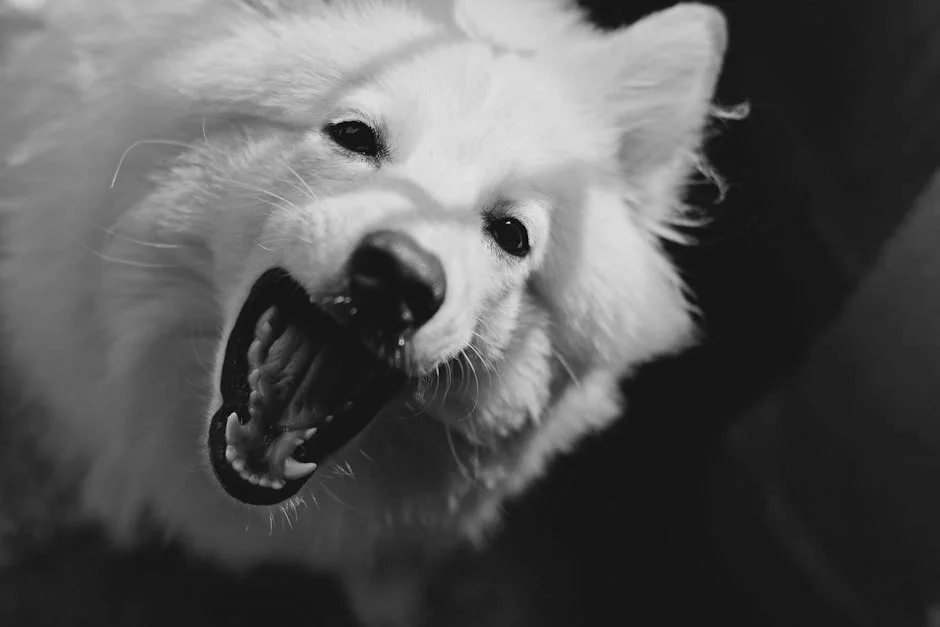
You likely grew up believing that a wagging tail always signals a happy dog, but interpreting canine body language requires looking beyond a simple back-and-forth motion. By understanding the nuances of speed, height, and direction, you can accurately decode your dog’s emotional state and improve your communication with them.
The Importance of Tail Position
Your dog’s tail acts as a barometer for their confidence and comfort levels. Observe the height at which the tail is held to determine how your dog is processing their environment.
The Neutral Position
When your dog is relaxed, their tail typically sits in a natural, hanging position. This is the baseline you should look for; it indicates your dog feels no immediate threat and is not under stress.
High and Rigid
If your dog holds their tail high, or even slightly curled over their back, they are signaling high arousal or dominance. In some contexts, this indicates alertness or curiosity, but if the tail is held stiffly, it may be a warning sign that your dog is feeling defensive or combative.
Tucked Under
A tail tucked tightly between the hind legs is a clear sign of fear, anxiety, or submission. If your dog exhibits this behavior, they are likely trying to make themselves appear smaller to avoid conflict or perceived danger.
Analyzing the Wag
The movement of the tail is just as significant as its position. You must assess the “sweep” of the wag to understand the intensity of the emotion being expressed.
Speed and Width
A broad, loose wag that involves the whole rear end—often called a “full-body wag”—is a genuine sign of a happy, friendly, and relaxed dog. This indicates your companion is feeling social and positive. Conversely, a very fast, tiny, or vibrating wag usually signals high tension or extreme excitement, which can sometimes manifest as aggression if the dog feels cornered.
Directional Bias
Research suggests that dogs may process emotions through directional wags. A subtle bias toward the right side often correlates with positive stimuli, such as seeing their owner. A bias toward the left side has been observed when dogs encounter things that provoke stress or uncertainty, such as an unfamiliar or dominant dog.
Contextual Clues for Accurate Reading
You cannot rely on the tail alone. To truly understand what your dog’s tail wag really means, you must view it as part of a total body language assessment.
Monitor the Face and Ears
Check your dog’s eyes and ears simultaneously. If the tail is wagging but the ears are pinned back and the eyes are darting nervously, pay attention to the potential for a fearful reaction. If the eyes are soft and the ears are in a relaxed, forward position, the wag is likely purely friendly.
Evaluate the Environment
Consider the situation. A tail wag at the dog park, at home during playtime, or when you walk through the door likely means the same thing: excitement and engagement. However, if a dog is stiff and wagging its tail while a stranger reaches out to touch them, that wag is a sign of hesitation and a warning to back away.
Recognize Displacement Behaviors
Sometimes, a tail wag serves as a self-soothing mechanism. If your dog is in a stressful situation, such as a visit to the veterinarian, you might notice a nervous, flickering wag. Your dog is attempting to calm themselves or signal appeasement to the people or animals around them.
Practical Steps for Better Communication
To become an expert at reading your dog, follow these actionable steps:
- Establish a baseline: Spend time just watching your dog when they are resting or eating to learn their “normal” tail position.
- Observe the full body: Whenever you see your dog wagging, train your eyes to scan their ears, mouth, and stance simultaneously.
- Look for the “Full-Body Swing”: Prioritize this as the gold standard for a truly happy, relaxed, and secure dog.
- Validate the context: If your dog is wagging but their muscles feel rock-hard to your touch, prioritize safety and distance over assuming they want to be petted or greeted.
By breaking down these behavioral patterns, you shift from guessing your dog’s mood to truly understanding their perspective. Always err on the side of caution; if a wag feels “tight” or “stiff,” give your dog space to reset. Your ability to read these silent cues will build a foundation of trust and safety in your relationship for years to come.