
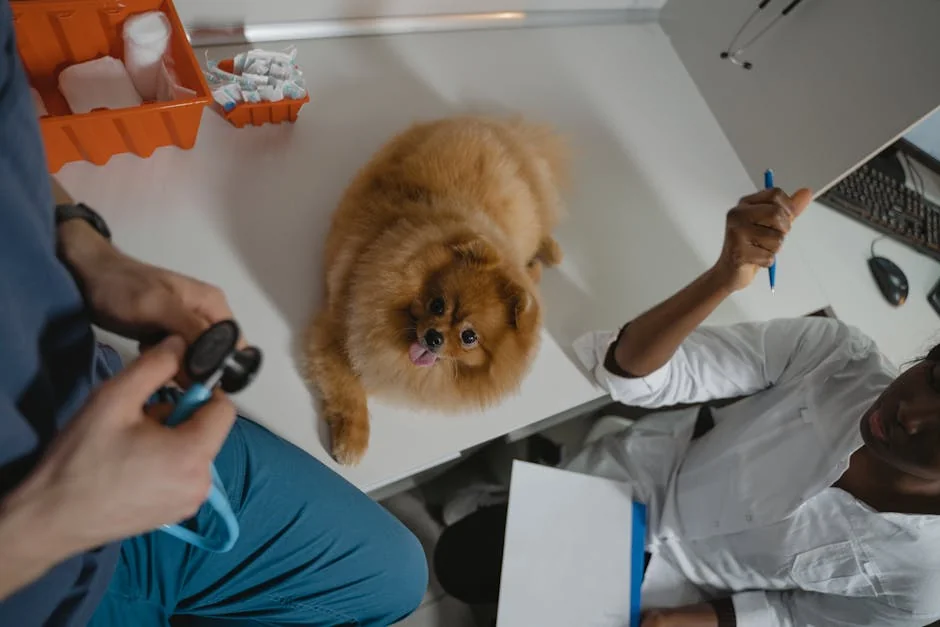
If your dog views the trip to the veterinarian as a source of terror, you are not alone. By implementing proactive desensitization techniques and adjusting your own demeanor, you can transform these necessary appointments from traumatic events into manageable—and even calm—experiences for your pet.
Master the Pre-Visit Routine
Reducing stress starts long before you pull into the clinic parking lot. If your dog only visits the vet for painful injections or uncomfortable examinations, they will inevitably associate the smell, sights, and sounds of the clinic with fear.
Practice Cooperative Care at Home
You can replicate the vet environment at home to normalize handling. Spend a few minutes each day touching your dog’s paws, looking in their ears, and lifting their lips. Pair these actions with high-value treats like freeze-dried liver or plain chicken. If your dog remains calm, provide positive reinforcement immediately. This builds a positive association with physical examinations.
Use the Waiting Room Strategy
The waiting room is often the most stressful part of the visit, filled with barking dogs and nervous energy. If your vet clinic allows it, call ahead and ask if you can wait in your car until the exam room is ready. This avoids the crowded lobby and keeps your dog focused on you rather than the surrounding chaos. If you must be in the waiting room, keep your dog behind you or in a corner to provide them with a “buffer zone” from other pets.
Optimize the Car Ride
Many dogs experience anxiety the moment they realize they are heading to the vet. If your dog begins panting or pacing as soon as you turn the key, you must change the travel association.
- Make car rides frequent but fun: Take your dog for short car rides every week that end in a park, a hike, or a fun store rather than the vet.
- Use secure containment: A crate or a crash-tested seatbelt harness can make your dog feel more secure and less vulnerable to movement, helping them feel physically grounded.
- Control the atmosphere: Keep the interior of your car quiet and cool. Playing calming classical music or canine-specific audiobooks can dampen the sound of traffic and soothe your dog’s nerves.
Enhance the Clinic Experience
When you arrive, your role as an advocate for your dog is critical. You are the bridge between your pet and the veterinary staff, so remain calm and focused.
Inform the Staff of Your Dog’s Anxiety
Do not hesitate to be transparent about your dog’s fear. When you book the appointment, let the receptionist know that your dog is anxious. Skilled veterinary clinics may offer “happy visits,” where you can bring your dog in just to get a treat, see the staff, and leave without any medical procedures. This breaks the pattern of “clinic equals medical pain.”
Advocate for Low-Stress Handling
You have the right to request specific handling techniques. Ask for the vet to use fear-free methods, such as performing the exam on a floor mat rather than a slippery metal table. Encourage the staff to use treats throughout the examination to create a “distraction-reward” loop, keeping your dog’s focus on the food rather than the procedure.
Consider Medical and Nutritional Support
Sometimes, behavioral desensitization is not enough on its own. If your dog has deep-seated trauma or extreme vet anxiety, consult your veterinarian about long-term management strategies.
Supplements and Pheromones
Before turning to pharmaceuticals, you might try calming supplements that contain l-theanine or colostrum, which are formulated to support the nervous system during stressful events. Additionally, spraying a synthetic canine pheromone (Adaptil) on your car upholstery or a bandana before the visit can provide a subtle, calming signal to your dog’s brain.
Anti-Anxiety Medication
If your dog’s anxiety is severe enough to cause panic, fear-based aggression, or the risk of self-injury, ask your vet about “situational sedation.” Many vets can prescribe a short-acting, fast-acting medication specifically for travel and vet visits. This does not mean your dog is “misbehaving”; it means you are prioritizing their mental health and ensuring they are not enduring psychological distress during necessary care.
Final Pro-Tips for Success
Keep your sessions short and end on a positive note. If your vet visit went poorly, do not let that define your dog’s future. Return for a “happy visit” the following week to ensure their final memory of the clinic is a positive one. By remaining consistent, calm, and proactive, you will build your dog’s confidence and ensure they receive the medical care they need without the fear.