
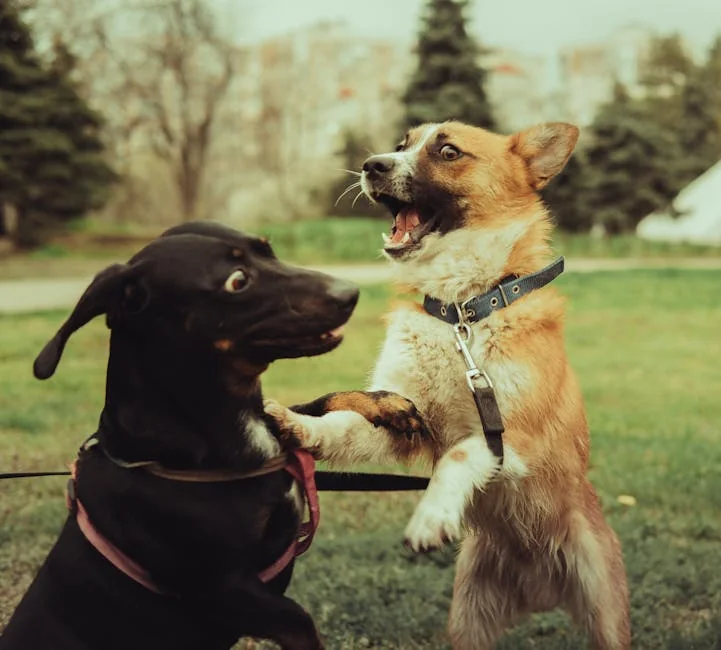
Understanding and correcting the most common dog behavior problems requires patience, consistency, and a solid grasp of canine psychology. By identifying the root cause of these unwanted actions, you can implement effective training strategies to restore harmony in your home.
Excessive Barking
When your dog barks incessantly, they are usually trying to communicate a specific need or reaction. Barking is a natural behavior, but it becomes problematic when it interferes with your daily life.
Identifying the Cause
Determine if your dog is barking due to boredom, territorial instincts, fear, or a desire for attention. If they bark at passersby, they are likely displaying territorial behavior. If they bark when you leave the house, it is often a sign of separation anxiety.
Actionable Solutions
- Eliminate the trigger: If your dog barks at people through the window, close the blinds or use opaque window film.
- Ignore the demand: If your dog barks for attention, turn your back and refuse to acknowledge them until they are quiet.
- Increase physical and mental exercise: A tired dog is a quiet dog. Ensure you provide sufficient daily walks and interactive puzzle toys.
- The “Quiet” command: Teach your dog to stop barking on command by rewarding them with a treat the moment they cease their vocalization.
Destructive Chewing
Dogs explore the world through their mouths, but destructive chewing often stems from a lack of appropriate outlets. Whether it is your furniture or your favorite shoes, you can redirect this energy.
Addressing Boredom and Anxiety
If your dog destroys items while you are away, they may be suffering from separation anxiety. If this happens while you are home, they likely have pent-up energy that needs to be burned.
Implementation Tips
- Provide appropriate chew toys: Rotate your dog’s toys frequently to keep them interested. Use heavy-duty rubber toys stuffed with peanut butter or treats to keep them occupied.
- Puppy-proof your space: Remove items that are tempting and easy to access until your dog has learned what is off-limits.
- Management: When you cannot supervise your dog, keep them in a crate or a designated “safe zone” with plenty of approved chew items.
Jumping Up on People
Jumping is an instinctive greeting behavior from puppyhood, but it is often discouraged to protect guests and keep clothing clean. You must teach your dog a more appropriate way to greet humans.
Replacing the Behavior
Never push your dog down or yell, as this can be perceived as playful interaction, which reinforces the jumping. Instead, use a calm, consistent approach.
Steps to Success
- Turn your back: When your dog jumps on you, fold your arms and turn away immediately. Give them no eye contact or physical touch.
- Reward four on the floor: As soon as all four of your dog’s paws are on the ground, offer praise and a reward.
- Teach “Sit”: Command your dog to sit before you offer physical affection. This requires them to choose a calm posture to earn the reward they want.
- Instruct your guests: Ensure everyone who enters your home follows the same rules. Consistency is the most critical factor in extinguishing this behavior.
Leash Pulling
Walking your dog should be an enjoyable experience, not a test of your physical strength. Leash pulling occurs because your dog thinks pulling is what gets them to their destination faster.
Changing the Perception
You must teach your dog that the leash goes slack when they walk beside you. If the leash is tight, you stop moving forward immediately.
Training Techniques
- Stop and wait: The second the leash tightens, stop walking. Wait for your dog to turn around or look at you. Once there is slack, continue walking.
- Reward the position: Keep treats in your hand at your side. Periodically reward your dog for walking in the “heel” position.
- Use the right equipment: Consider a front-clip harness, which naturally discourages pulling by gently turning your dog toward you when they walk ahead.
Potty Training Accidents
Whether you have a new puppy or a rescue dog, indoor accidents are one of the most frustrating behavior problems. Success hinges on a strict schedule and constant supervision.
Establishing a Routine
- Consistency is key: Take your dog outside first thing in the morning, after every meal, after play sessions, and right before bed.
- Praise immediately: When your dog goes to the bathroom outside, provide verbal praise and a small treat within seconds of them finishing the act.
- Do not punish: Never scold your dog for an accident you find after the fact. They will not associate your anger with the action they took hours earlier; they will simply learn to fear you.
- Deep clean: Use an enzymatic cleaner rather than a standard household product. Enzyme cleaners neutralize odors that humans cannot smell, which prevents your dog from returning to the same spot to mark again.