
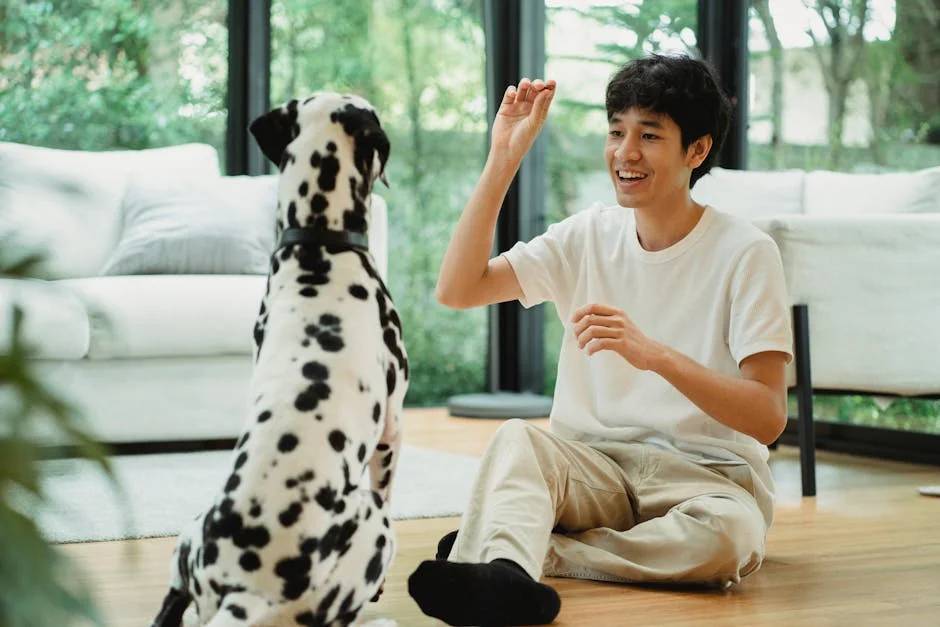
Building trust with your dog is the foundation for a well-behaved, stress-free relationship. By focusing on consistency, clear communication, and mutual respect, you can transform your dog’s confidence and secure their loyalty.
Prioritize Consistency in Daily Routines
Dogs view the world through patterns. When you provide a predictable environment, you minimize their anxiety and help them understand exactly what to expect from you.
Stick to a Schedule
Consistency starts with the clock. Feed your dog at the same times each day, exercise them during consistent windows, and maintain standard sleep routines. When your dog knows that food and attention follow a reliable sequence, they stop worrying about needs being met and start focusing on bonding with you.
Use Consistent Commands
If you use “down” to mean both “get off the couch” and “lie on the floor,” your dog becomes confused or frustrated. Choose a specific word for every action and stick to it without variation. Ensure every person in your household uses the exact same vocabulary. Clarity removes the guesswork for your dog, making you a reliable leader they can trust.
Master Positive Reinforcement
Trust cannot be built through fear or punishment. Harsh corrections cause your dog to associate you with negative experiences, which triggers defensiveness rather than cooperation. Instead, lean into positive reinforcement.
Reward Desired Behaviors
When your dog sits on command or chooses to walk calmly by your side, acknowledge it immediately. Use high-value treats, verbal praise, or a favorite toy. By linking your presence to positive outcomes, you teach your dog that cooperating with you is the most rewarding choice they can make.
Avoid Reactive Correction
If your dog makes a mistake, avoid shouting or physical discipline. If you grow angry, your dog often cannot link the behavior to your reaction; they only see a human who is volatile. If they exhibit an unwanted behavior, simply redirect them to a task they can do correctly and reward them for that instead. Keeping your emotions stable encourages your dog to lean on you during moments of uncertainty.
Engage in Respectful Communication
Trust is a two-way street. You must learn to read your dog’s body language and respect their boundaries to foster a sense of safety.
Understand De-escalation Signals
Dogs speak through subtle cues. If your dog turns their head away, yawns, or licks their lips, they are likely feeling uncomfortable or stressed. When you see these signs, give them space. Allowing your dog to “opt out” of an interaction when they feel overwhelmed teaches them that you will advocate for their safety. This creates a deep, secure bond that cannot be achieved through force.
Respect Their Personal Space
Avoid forcing interactions. Never chase your dog, corner them, or insist on hugs if they are showing signs of discomfort. Always let them come to you on their own terms. When you consistently respect their space, your dog learns that you aren’t a source of pressure, but a source of security.
Spend Quality Time Without Demands
Building trust isn’t just about training or obedience; it is about shared existence. You need to spend time with your dog where nothing is expected of them.
Low-Pressure Bonding
Sit on the floor with your dog while they chew a toy, or spend quiet time in the yard together without practicing commands. By just “being there,” you signal that you enjoy their company for who they are, not just for what they can do for you.
Engage in Parallel Activities
Sometimes the best way to bond is through collaborative play. Engage in games like tug-of-war or hide-and-seek, which require focus and interaction between both of you. During these sessions, keep the atmosphere light and playful. If you remain calm and engaged, your dog will view you as a partner in play, which significantly strengthens the emotional connection you share.
Put in the Effort
Building trust is a process that happens in small, daily increments. It is the sum of every calm reaction, every clear command, and every moment you choose to listen to your dog’s needs rather than imposing your own. Stay patient and observant, and you will eventually cultivate the kind of bond that turns a pet into a true, lifelong companion.