
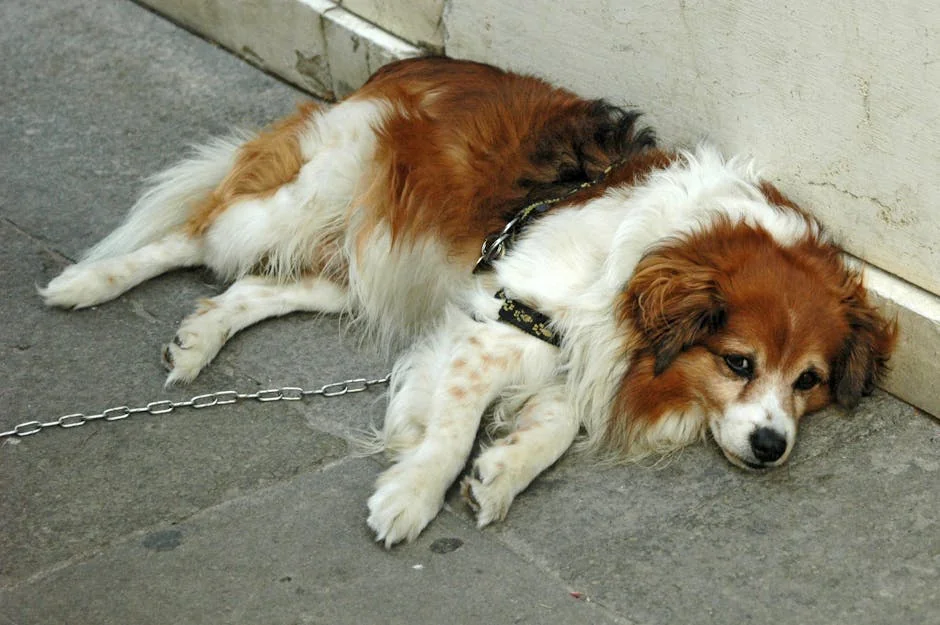
Dogs often mask their anxiety, making it difficult to recognize when they are struggling until the behavior escalates. By understanding these subtle indicators, you can address your dog’s underlying stress before it develops into a larger behavioral or health issue.
1. Excessive Panting or Yawning
While panting is a normal response to heat or exertion, frequent panting during calm moments is a classic sign of psychological stress. If there is no physical reason for your dog to be hot, take note of the context.
Similarly, look for non-sleepy yawning. If your dog yawns when they are not tired or after being asked to perform a command, it is often a displacement behavior. They use this action to soothe themselves when they feel overwhelmed or confused by a social situation.
2. Pacing or Restlessness
A stressed dog often struggles to settle down. If you notice your dog pacing around the house, unable to find a comfortable position, they may be experiencing high levels of internal tension. This inability to focus or remain still indicates that their “fight or flight” response may be activated even in the safety of your home.
3. Persistent Lip Licking
Watch your dog’s mouth closely. If you see them flicking their tongue across their nose or licking their lips repeatedly when no food is present, they are likely feeling cornered or nervous. This is a common “calming signal” dogs use to tell others—including you—that they would like more space or wish to de-escalate a confrontation.
4. Avoiding Eye Contact (The “Whale Eye”)
When a dog is fearful or stressed, they may show the whites of their eyes—a phenomenon known as “whale eye.” This occurs when the dog turns their head away but keeps their eyes fixed on a person or object they perceive as a threat. If your dog is consistently avoiding direct eye contact or showing the whites of their eyes, they are signaling extreme discomfort.
5. Sudden Shedding or Sweaty Paws
Stress triggers physiological changes in a dog’s body, just as it does in humans. If you notice your dog shedding large amounts of fur suddenly in a non-seasonal context, or if you feel dampness on their paw pads when they are stressed, they are reacting to a cortisol spike. Damp paw prints on a floor during a vet visit or a storm are a clear indicator of immediate anxiety.
6. Excessive Grooming or Licking
While all dogs groom themselves, obsessive licking of their own paws, legs, or flanks is a compulsive response to anxiety. This behavior releases endorphins, helping the dog soothe themselves. If your dog is creating raw spots on their skin or spending hours licking the same area, they are likely using self-grooming as a coping mechanism for long-term stress.
7. Changes in Appetite
Stress frequently manifests physically through the gut. A stressed dog might suddenly refuse treats they usually love or show a complete lack of interest in their meals. Conversely, some dogs might exhibit “stress-eating,” where they become frantic or grab food aggressively. Monitor these fluctuations closely, as they often correlate with changes in your home environment or routine.
8. Tucked Tail or Low Body Posture
You can learn a great deal about a dog’s internal state through their body language. A tucked tail, specifically when it is clamped tightly between the back legs, is a universal sign of submission and fear. Couple this with a lowered body, hunched shoulders, or a “cringing” gait, and it becomes clear your dog feels vulnerable or threatened by their current environment.
9. Avoidance or Hidden Behaviors
Does your dog suddenly disappear under chairs, behind curtains, or into a crate when things get loud? While some dogs seek a den for rest, hiding as a reaction to a specific person, noise, or event is a sign of stress. If your dog is actively avoiding social interaction by retreating to tight spaces, respect their need for distance and assess what triggered the flight response.
10. Shaking or Trembling
Most owners recognize shaking when a dog is wet, but trembling on dry land is different. If your dog is shivering without being cold, they are experiencing significant nervous system arousal. This often happens before storms, during fireworks, or when they are forced to interact with people or other animals that scare them.
How to Respond When You See These Signs
Once you identify these markers, your primary goal is to lower the intensity of the environment.
- Give Them Space: Stop the interaction or movement that triggered the stress signal immediately.
- Remove the Stimulus: Move your dog away from the source of the anxiety.
- Provide a Safe Haven: Allow your dog access to a quiet room or crate where they feel secure.
- Avoid Punishment: Never punish a dog for stress signals; this only reinforces that the situation is legitimately dangerous and adds more fear to the equation.
If these signs are persistent and you cannot identify a clear, fixable cause, consult with a veterinarian or a certified behaviorist. Chronic stress negatively impacts your dog’s lifespan and immune system, so addressing it early is one of the best ways to ensure your dog lives a long, healthy life.