
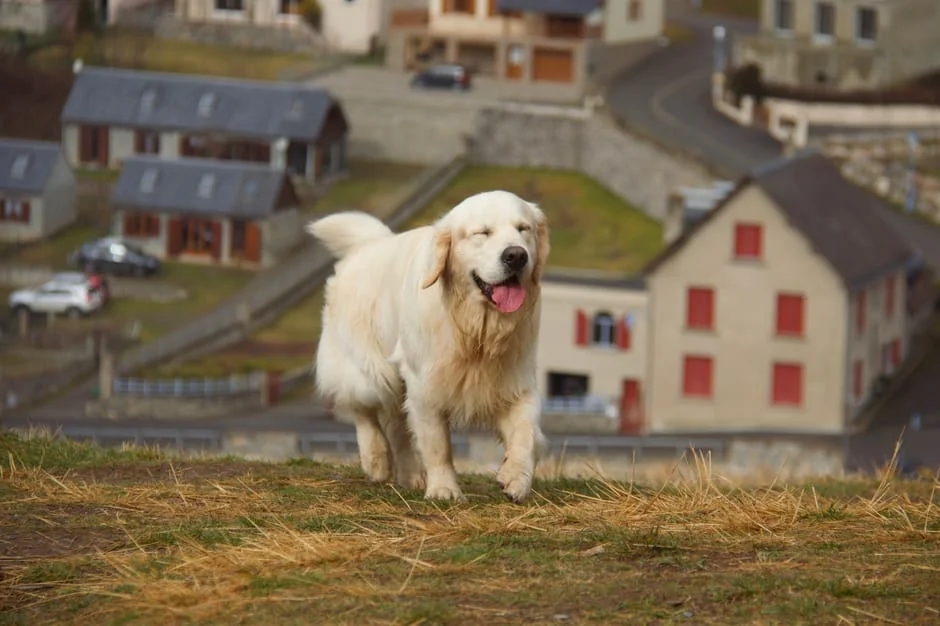
Understanding whether your dog is happy requires looking beyond a simple wagging tail. By learning to interpret subtle shifts in body language, vocalizations, and daily routines, you can ensure your companion is thriving both mentally and physically.
Interpreting Canine Body Language
A happy dog uses their entire body to communicate contentment. Because dogs rely on physical cues rather than words, you must observe their posture as a cohesive unit.
The Relaxed Posture
When your dog is at ease, their muscles appear soft rather than rigid. Look for a “loose” body, where the dog isn’t bracing themselves for action. If your dog is standing or lying down with a natural, unforced posture, it is a primary indicator that they feel safe and comfortable in their environment.
The Tail Interpretation
Not every wag is a sign of joy. Instead of focusing solely on the movement, watch the tail’s position and speed.
- The Sweep: A wide, rhythmic wag that involves the whole base of the tail usually signals a happy, friendly state.
- The Position: A tail held at a neutral or slightly lower, relaxed level generally shows contentment.
- The Tension: A tail held high and rigid, or tucked tightly between the legs, indicates arousal, fear, or insecurity, not happiness.
Facial Expressions
You can gain significant insight by looking at your dog’s face. A truly content dog will often have soft eyes, sometimes even appearing “squinty” or relaxed rather than wide and alert. Their mouth should be slightly open, with a relaxed jaw and a tongue that isn’t pulled back in tension. Some dogs even appear to “smile” when their lips are pulled back slightly in a non-aggressive, loose manner.
Behavioral Indicators of Happiness
Beyond physical appearance, your dog’s daily behaviors provide the most reliable data regarding their emotional health. Consistent habits and engagement levels are key benchmarks for a well-adjusted pet.
Healthy Appetite and Play Drive
A consistent appetite is one of the most reliable indicators of physical and emotional wellness. When your dog eats their meals with enthusiasm and maintains an interest in play, you can be reasonably assured they feel secure enough to focus on basic needs and enrichment. If your dog initiates play—whether through a “play bow,” bringing you a toy, or jumping excitedly—they are expressing high levels of life satisfaction.
Curiosity and Exploration
A happy dog is an engaged dog. When you are out for walks, observe how your dog interacts with their surroundings. A confident, happy dog will take time to sniff, explore new scents, and engage calmly with the environment. If your dog is constantly pulling, cowering, or scanning for threats, they may be experiencing stress rather than genuine curiosity.
The Role of Routine and Human Bonding
Your dog’s happiness is deeply tied to the predictability of their daily life and the quality of your interaction. Dogs are naturally social creatures that thrive on structure and positive reinforcement.
The Power of Predictability
Dogs feel most confident when they know what to expect. By maintaining a consistent schedule for feeding, exercise, and sleep, you reduce your dog’s anxiety levels. When your dog knows their needs will be met consistently, they can spend more energy on relaxation and engagement rather than stress-management.
Cooperative Interactions
Note how your dog reacts when you return home or call them to you. A happy, well-bonded dog will seek your proximity. They may lean against your legs, nudge your hand for affection, or follow you from room to room. These behaviors reflect a strong bond and a sense of security.
Sleep Patterns
While puppies and seniors sleep significantly more, a happy adult dog should have a regular sleep cycle. If your dog is able to fall into a deep, relaxed sleep in your presence, it indicates they feel safe enough to lower their guard. Frequent pacing, inability to settle, or waking up frequently at night can be signs of underlying discomfort or stress that require attention.
When to Consult a Professional
If you notice persistent changes in your dog’s demeanor, such as sudden lethargy, refusal to eat, or extreme withdrawal, these may be symptoms of physical illness rather than emotional unhappiness. Always prioritize a veterinary check-up to rule out medical issues. Conversely, if your dog displays chronic fear or aggression, working with a certified animal behaviorist can help you identify triggers and adjust the environment to better support your dog’s long-term happiness.