
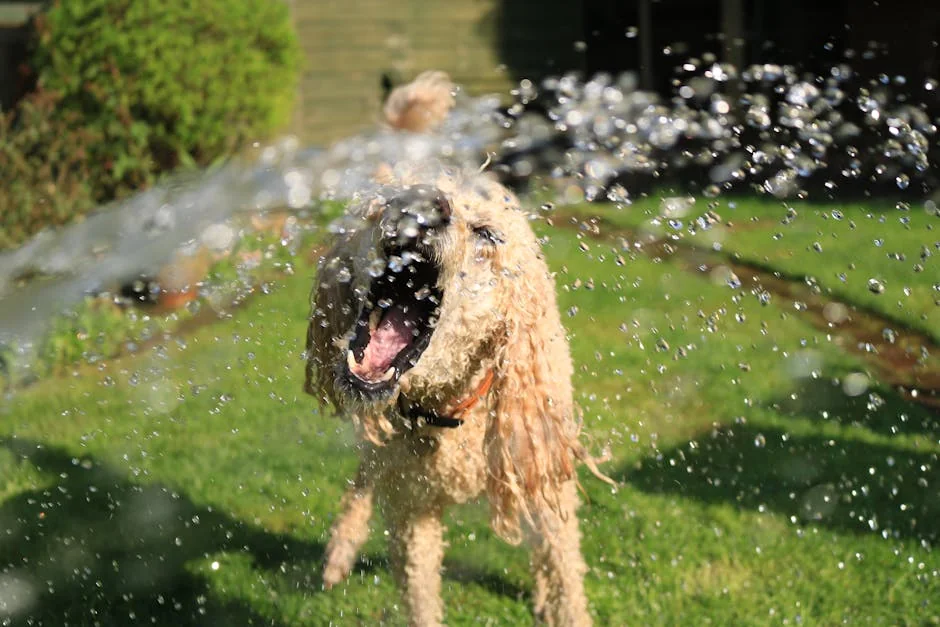
Summer heat poses significant risks to your canine companion, ranging from mild discomfort to life-threatening heatstroke. By implementing proactive cooling strategies and adjusting your daily routines, you can ensure your dog remains safe, comfortable, and healthy throughout the warmest months of the year.
Adjust Your Exercise Routine
Your dog’s internal cooling system is far less efficient than your own. During high-temperature days, you must fundamentally change how you approach physical activity.
The “Seven-Second” Test
Before taking your dog for a walk, place the back of your hand against the pavement for seven seconds. If it feels too hot for your skin, it is far too hot for your dog’s paw pads. Asphalt and concrete absorb and retain heat, which can cause severe burns and raise your dog’s core body temperature rapidly.
Shift Your Schedule
Avoid mid-day exposure by shifting your walks to the early morning hours—before 8:00 AM—or late in the evening after the sun has set. If your dog still has excess energy during the day, focus on mental stimulation games indoors, such as puzzle feeders or scent work, rather than high-intensity cardiovascular exercise.
Create a Cool Environment Indoors
When the mercury rises, your home should serve as a climate-controlled sanctuary. You do not necessarily need to crank the air conditioning to the point of freezing, but you must ensure there is adequate airflow and cooling options available.
Leverage Airflow and Shade
Keep blinds and curtains closed during the peak heat hours to prevent direct sunlight from heating your indoor spaces. Position a fan near your dog’s favorite resting spot, but ensure your dog has the autonomy to move away from the breeze if they choose.
Offer Cooling Mats
Use a cooling mat designed specifically for pets. These accessories use pressure-activated gel to dissipate heat from your dog’s body. If your dog is hesitant to use a mat, encourage them by placing their favorite toy on it, but avoid forcing them to stay in one place.
Hydration and Cooling Supplies
Access to fresh, cool water is the most critical element of preventing heat exhaustion. However, you should supplement this with physical cooling tools to help regulate their body temperature.
- Multiple Water Stations: Place water bowls in every room where your dog spends time.
- Add Ice Cubes: Dropping a few ice cubes into their bowl keeps the water temperature low and provides an engaging sensory experience for the dog.
- Elevated Cooling: If you have outdoor space, set up a kiddie pool filled with a few inches of cool water. Most dogs will drink from it and use it to submerge their paws and belly, which are highly effective areas for heat exchange.
Recognize Signs of Heatstroke
Even with the best precautions, you must stay vigilant for the physical red flags of overheating. Heatstroke in dogs is a medical emergency that requires immediate professional intervention.
Identify Physical Symptoms
Excessive panting or drooling is often the first sign. Watch for bright red, purple, or blue gums, as these indicate a serious oxygen or circulation issue. If your dog appears lethargic, displays an uncoordinated gait, or begins vomiting, take action immediately.
Emergency Response
If you suspect your dog is overheating, move them to a cooler area or an air-conditioned vehicle immediately. Apply cool—not ice-cold—water to their ears, paws, and underbelly. Use a fan to increase evaporation. Do not douse them in freezing water, as this can cause blood vessels to constrict and actually trap heat inside the body. Call your veterinarian while you are administering these initial cooling efforts.
Grooming and Maintenance
Your dog’s coat acts as insulation, which protects them from both cold and heat. Avoid the temptation to shave your dog completely unless specifically advised by a professional veterinarian or groomer.
Focus on Brushing
Instead of shaving, prioritize regular brushing to remove the dense undercoat. This increases airflow against the dog’s skin, allowing their natural cooling system to function more effectively. If your dog has a light-colored coat on their nose or ears, consider using pet-safe sunscreen to prevent sunburn, as dogs can suffer from skin cancer just like humans.
By staying mindful of the environment and responding quickly to signs of distress, you can make the summer months a safe and enjoyable season for your dog. Prioritize shade, hydration, and timing to manage the heat effectively.