
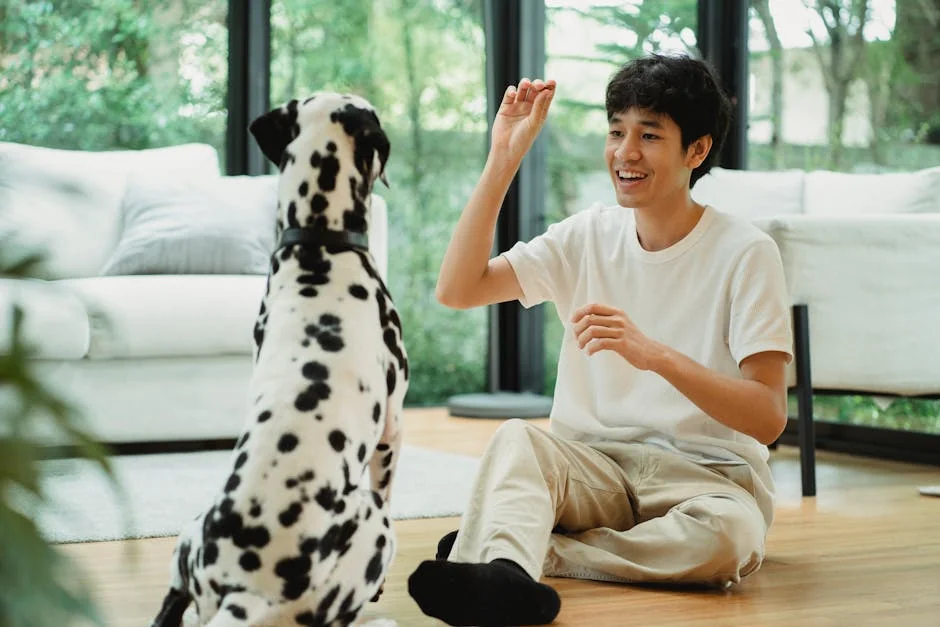
When your high-energy dog is stuck indoors due to inclement weather or limited space, their pent-up energy often translates into destructive behavior like chewing, barking, or pacing. By incorporating specific mental stimulation and physical movement into your indoor routine, you can effectively exhaust your dog and foster a calmer household without needing a large backyard.
Harnessing Mental Stimulation to Drain Energy
Mental exertion is often more taxing for a dog than physical exercise. When your dog works their brain to solve a problem, they burn significant calories and satisfy their natural desire to forage and hunt.
Implement Interactive Feeding
Ditch the standard food bowl. Use the time your dog spends eating to engage their cognitive abilities. Rotate through these tools to keep the challenge fresh:
- Puzzle Feeders: Use plastic or wooden boards that require your dog to slide, lift, or rotate pieces to reveal kibble.
- Snuffle Mats: These fabric mats with long felt strips hide treats or meals, forcing your dog to use their nose to hunt for every piece.
- Slow-Feeder Bowls: While less complex than puzzles, these require more effort than a flat dish and can be combined with frozen wet food to create a “lick mat” experience.
Master the “Find It” Game
This game leverages your dog’s natural scent-tracking instincts and can be played in any room. Start by having your dog sit and wait while you hide high-value treats in various spots, such as behind chair legs or under a rug corner. Give the command “find it” and encourage them to sniff out the prize. As your dog improves, increase the difficulty by hiding treats on different levels or inside boxes.
Structured Physical Movement Indoors
You do not need a wide-open field to burn off energy. Creative use of your living space can provide a high-intensity, low-impact workout for your pet.
Teach Controlled Tug-of-War
Tug is an excellent way to build muscle and provide a high-intensity outlet for your dog’s prey drive. The key is strict rules: the play only starts when you initiate it, and it ends immediately if your dog’s teeth touch your skin. Use a sturdy rope toy and combine tugging with “drop it” and “sit” commands to build impulse control alongside physical exertion.
Create an Indoor Agility Course
You can construct a low-impact obstacle course using household items. Lead your dog through the course on a leash at first until they understand the movements.
- Jump: Use a broom handle resting on two stacks of books as a gentle hurdle.
- Tunnel: Use a series of dining chairs draped with a blanket to create a crawl-through tunnel.
- Weave: Place three or four laundry baskets in a line for your dog to weave through.
Ensure the floor surface provides good traction to prevent slips or injuries. If you are on a slick floor, conduct these activities on an area rug or yoga mat.
The Power of Obedience Training Sessions
High-energy dogs are often bored dogs. Brief, frequent training sessions provide the mental clarity your dog needs to feel successful and calm.
Practice Impulse Control
Focus on the “leave it” and “stay” commands. These require your dog to consciously restrain their impulses, which is mentally fatiguing. Practice “stay” by increasing the distance you walk away, or practice “leave it” by placing a favorite toy on the floor and rewarding your dog for looking at you instead of grabbing the object.
Teach New Tricks
Focusing on complex trick training requires intense concentration. Teach your dog to “clean up” by placing toys into a basket, to “spin,” or to “shake.” Even 10 minutes of dedicated one-on-one training can leave a high-energy dog ready for a nap.
Tips for Success
Consistency is your best friend when managing energy levels indoors. Keep sessions short—15 to 20 minutes is often better than one long hour—to prevent your dog from becoming frustrated or losing interest.
If your dog begins to act out during long indoor spells, check your environment. Ensure you are not accidentally rewarding attention-seeking behaviors like jumping or barking. Instead, ignore unwanted behavior and redirect your dog to a permitted activity, such as a chew toy or a scent-work puzzle. By rotating these mental and physical games, you ensure your dog remains engaged, satisfied, and eventually, very tired.