
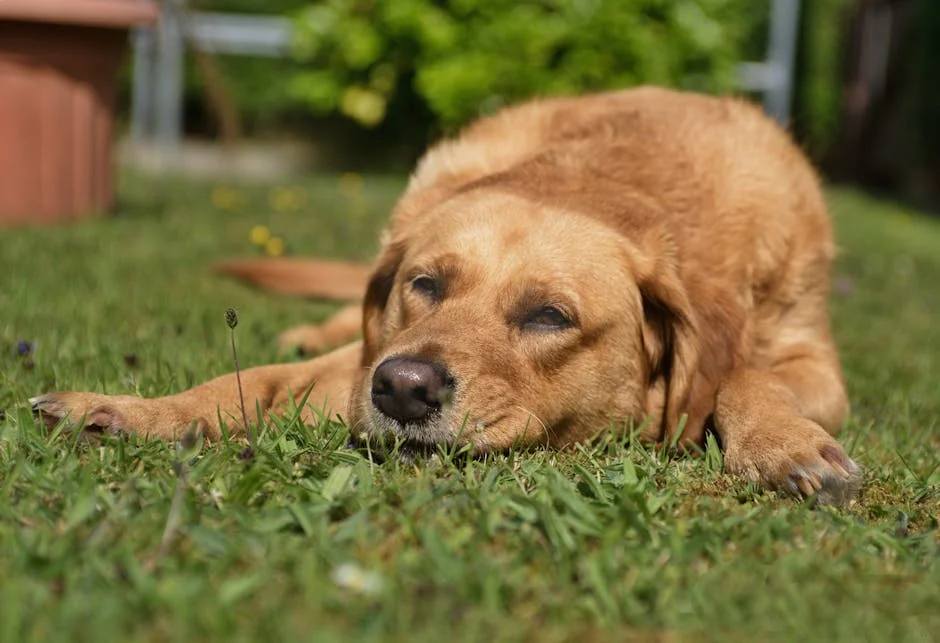
Recognizing the signs that your dog is overheating can quite literally save their life. By learning to identify the early physiological red flags and immediate cooling protocols, you ensure your pet remains safe during hot weather or high-intensity activity.
Recognizing Early Warning Signs
Dogs do not sweat like humans effectively; they rely primarily on panting and releasing heat through their paw pads. When these mechanisms are overwhelmed, their body temperature rises rapidly, leading to heat exhaustion.
You should watch for these early indicators that your dog is struggling to regulate their temperature:
- Excessive or frantic panting: Panting that sounds labored, heavy, or louder than normal.
- Bright red or purple gums: This indicates that your dog is struggling to oxygenate properly or is experiencing vasodilation from heat.
- Increased salivation: Drooling that is thicker or more profuse than your dog’s typical baseline.
- Physical lethargy: A sudden lack of interest in play, difficulty standing, or a “drunken” gait.
If you suspect your dog is overheating, look for the “capillary refill” sign. Press your finger against their gum line; if the color takes longer than two seconds to return to its original pink hue, your dog is likely in an early stage of heat stress.
Advanced Symptoms of Heatstroke
Heatstroke is a medical emergency that occurs when a dog’s core temperature exceeds 104°F–106°F. If you notice any of the following symptoms, you must seek veterinary care immediately, regardless of whether you’ve started cooling efforts:
Behavioral and Neurological Changes
An overheating dog may exhibit signs of confusion, disorientation, or an inability to follow basic commands. Watch for sudden irritability or a “glassy-eyed” stare, which suggests the heat is affecting their neurological function.
Physical Distress
If your dog begins to vomit or develop diarrhea, the situation has escalated. Dehydration combined with vomiting can cause a rapid decline in their physical state. Furthermore, keep an eye out for muscle tremors or seizures; these are critical warnings that the internal organs are struggling to maintain function.
Immediate First Aid Actions
If you identify the symptoms mentioned above, you must lower your dog’s temperature immediately. Do not wait for a professional to tell you to act.
- Move to a cooler area: Get your dog out of the sun and into the shade, an air-conditioned room, or a vehicle with the AC blasting.
- Use tepid water: Contrary to popular belief, do not use ice-cold water. Submerging an overheating dog in ice can cause blood vessels to constrict, which traps the heat inside the core rather than releasing it. Use cool or lukewarm water.
- Focus on specific areas: Apply damp, cool towels to the paw pads, the armpits, and the groin area. These spots have high blood flow and dissipate heat most efficiently.
- Offer small amounts of water: Do not force-feed water to a dog that is disoriented or struggling to swallow. Offer a small bowl of fresh, cool water, but avoid allowing them to gulp large quantities, which can lead to bloating or vomiting.
Once you have initiated these cooling steps, transport your dog to the nearest emergency veterinary clinic. Internal damage, such as organ failure or clotting disorders, can occur even after the dog’s temperature seems to have returned to normal.
High-Risk Factors You Should Know
Some dogs are biologically predisposed to overheating faster than others. You must exercise extra caution if your dog falls into these categories:
- Brachycephalic breeds: Pugs, Bulldogs, Boxers, and Shih Tzus have shortened nasal passages, making panting significantly less efficient.
- Age and Health status: Very young puppies, senior dogs, and those with underlying heart or kidney conditions have a much lower threshold for thermal regulation.
- Weight: Excess body fat acts as insulation, making it difficult for the body to vent heat effectively during exercise.
- Coat type: Thick, double-coated dogs often struggle in humid environments where the air is too saturated for them to evaporate moisture efficiently.
By monitoring these variables and acting quickly at the first sign of distress, you provide your dog with the best chance of recovery. Always prioritize prevention—limiting activity during peak heat hours and ensuring constant access to shade—but stay vigilant for the subtle changes that signal it is time to cool off.