
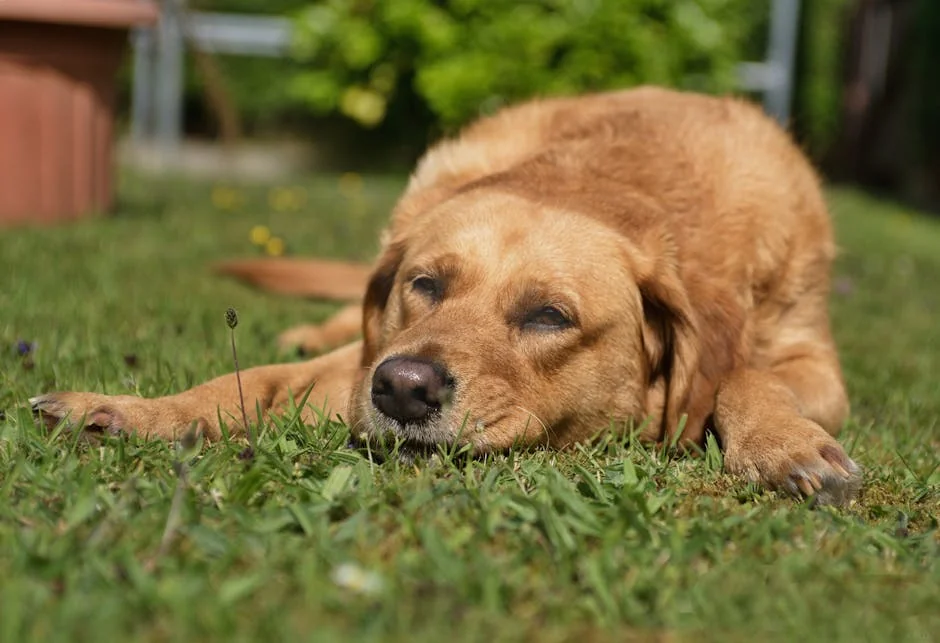
Summer is the peak season for outdoor bonding with your canine companion, but it requires mindful planning to keep your pet safe and active. This guide provides actionable strategies to balance exercise, engagement, and heat safety throughout the warmest months of the year.
Water-Based Activities for Cooling Exercise
Swimming and aquatic play allow your dog to exert energy without the risk of overheating. Water provides a low-impact workout that is excellent for senior dogs or those with joint issues.
Safely Introducing Your Dog to Water
Start by finding a calm, shallow area like a quiet lake shore or a gentle creek. Use a life jacket, especially if your dog is a novice swimmer or a heavy-chested breed. Bring floating toys to build confidence and help them associate the water with positive experiences. Always rinse your dog with fresh water after they swim in natural bodies of water to remove algae, salt, or debris that could irritate their skin.
Backyard Hydrotherapy
If you don’t have access to natural water, use a plastic kiddie pool. Fill it with a few inches of water and toss in some sinking toys or treats. This “flirt pole” or splash method keeps your dog cool while providing mental stimulation. Ensure the plastic is thick enough to withstand claws and always monitor your dog to prevent them from drinking too much stagnant pool water.
Low-Impact Intellectual Stimulation
When outdoor temperatures spike during peak midday hours, move your dog’s activities to the indoors or shaded areas. Physical exhaustion isn’t the only way to tire out your dog; mental activity is often more effective during heatwaves.
Scent Work and Nose Games
Hide treats in various rooms of your home or across your backyard patio. Tell your dog to “find it.” This engages their primal instincts and burns significant mental energy without requiring strenuous running. You can escalate this by using “scent kits” or teaching them to discriminate between specific odors.
Interactive Puzzle Toys
Swap standard meal times for puzzle feeders or snuffle mats during the summer. Freezing canned dog food or yogurt inside a rubber chew toy provides a long-lasting, cooling treat that keeps your dog occupied for 30–60 minutes. This prevents destructive boredom during the hot afternoon hours when outdoor play is unsafe.
Safe Hiking and Walking Protocols
Summer hiking remains a premier activity, provided you adjust your timing. The pavement and trail temperatures can be significantly higher than the ambient air temperature, posing a direct threat to your dog’s paw pads.
Follow the Five-Second Rule
Before you head out, press the back of your hand against the pavement or sunny dirt path for five seconds. If it is too hot for your hand, it is too hot for your dog’s paws. Stick to grassy trails or shaded woodland paths to avoid foot burns.
Master the Early Morning Shift
Schedule all long-distance walks or hikes before 9:00 AM or after 7:00 PM. Taking your dog out when the sun is lowest minimizes the risk of heat exhaustion. Always carry a portable dog water bottle and a collapsible bowl—do not rely on finding natural water sources along the trail, as they may harbor bacteria or parasites.
Recognizing Heat Distress
Even with planning, you must monitor your dog closely for signs of overheating. Heatstroke can happen in minutes, even on cloudy days.
If you notice any of these symptoms, move your dog immediately into the shade or air conditioning and offer small amounts of room-temperature water:
- Excessive, heavy panting or drooling.
- Bright red gums or tongue.
- Increased heart rate.
- Difficulty standing or apparent confusion.
Focus on cooling your dog by applying cool (not ice-cold) wet towels to their paws, ears, and stomach. If the condition does not improve within minutes, contact your veterinarian immediately.
Evening Socialization
For dogs that enjoy interacting with other pets, summer evenings are the perfect time for controlled social activities. Since high temperatures have subsided, attend local “Yappy Hours” or visits to dog-friendly patios. Keep your dog on a short leash to maintain control and ensure they have a shady spot to retreat to if the environment becomes too stimulating. By prioritizing these low-heat, high-engagement activities, you ensure your dog remains happy, healthy, and tired throughout the entire summer.