
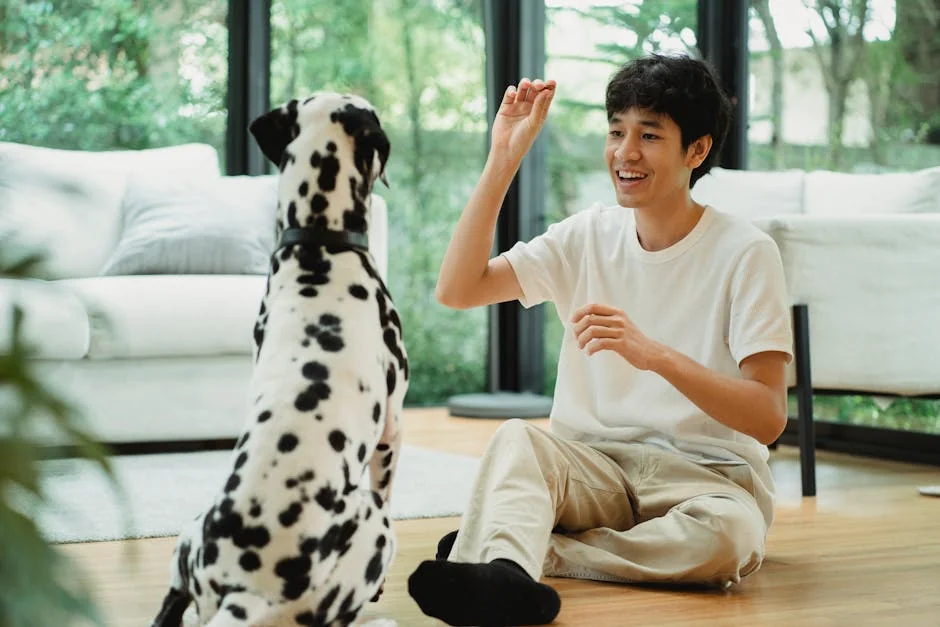
Building a deep, foundational bond with your canine companion is more than just providing food and shelter; it is about cultivating mutual trust through consistent behavior and reliable communication. When your dog truly trusts you, their body language, habits, and daily interactions shift to reflect a sense of profound security and emotional safety.
Physical Indicators of Deep Trust
The most immediate signs of trust manifest in how your dog uses their body around you. Because dogs are prey animals by nature, they naturally protect their most vulnerable areas. Allowing you to witness these areas is a primary indicator of trust.
The “Soft” Gaze
When your dog looks at you with “soft” eyes—blinking slowly, pupils dilated, and eyelids relaxed—they are expressing affection and trust. This is fundamentally different from a sharp, intense stare, which can sometimes indicate aggression or resource guarding. When you see your dog lock eyes with you in a relaxed, calm manner, they are essentially saying they feel safe in your presence.
The Belly Reveal
Rolling over to expose their belly is the ultimate sign of submission and comfort. By showing you their most vulnerable organs, your dog is demonstrating that they do not fear you. They know you will not harm them, and they are seeking physical connection or simply showing that they are at peace.
Behavioral Cues in Your Daily Routine
Trust is often found in the quiet, mundane moments of the day rather than during high-energy play. How your dog positions themselves when you are inactive tells you everything you need to know about your bond.
Proximity Seeking
If your dog chooses to lie near you—often resting their weight against your legs or feet—they are physically tethering themselves to you. This is an instinctual behavior; in the wild, dogs huddle together for protection. By choosing your proximity over a comfortable bed elsewhere in the house, your dog is identifying you as their primary source of safety.
Following You Everywhere
While persistent shadowing can sometimes signal separation anxiety, healthy following is a sign of attachment. If your dog calmly follows you from room to room, they are simply enjoying your company and feel confident when you are the leader of their “pack.”
Sleeping Near You
Dogs are most vulnerable when they sleep. If your dog falls into a deep, REM-stage sleep while you are in the same room, it means they trust you to act as their “sentry.” They feel secure enough to let their guard down because they know you are there to keep them safe.
Emotional Vulnerability and Reactivity
Your dog’s ability to remain calm in stressful situations is a testament to the trust they place in your leadership.
Looking to You for Guidance
When your dog encounters an unfamiliar stimulus, such as a loud noise, a new person, or an unusual object, do they look to you? This is a definitive sign of trust. By checking your reaction, your dog is asking, “Is this safe?” If you respond calmly and confidently, your dog will often mirror your disposition, proving they rely on your judgment to navigate the world.
Respecting Your Boundaries
Trust works both ways. A dog that trusts you understands your boundaries and respects your space. They do not feel the need to constantly test you or exhibit resource-guarding behaviors because they are confident that their needs—food, attention, and affection—will be met consistently.
How to Strengthen Existing Trust
Even if you already see these signs, you can further deepen your relationship using reliable, consistent patterns:
- Consistency is Key: Stick to a daily routine regarding feeding, exercise, and sleep. Dogs thrive on predictability; knowing what to expect reduces anxiety and reinforces that you are a stable figure in their life.
- Positive Reinforcement: Use reward-based training. Avoid harsh punishments, which break trust rapidly. When you reward good behavior, you build a positive association with your presence and your commands.
- Active Listening: Pay attention to your dog’s “no.” If your dog turns their head away, yawns, or moves away from attention, respect those signals. When you honor their need for space, you prove that their comfort is your priority, which in turn fosters even greater trust.
Trust is a living, breathing aspect of your relationship. By observing these subtle cues and maintaining a calm, predictable environment, you ensure that your dog remains a confident, happy, and secure member of your family.