
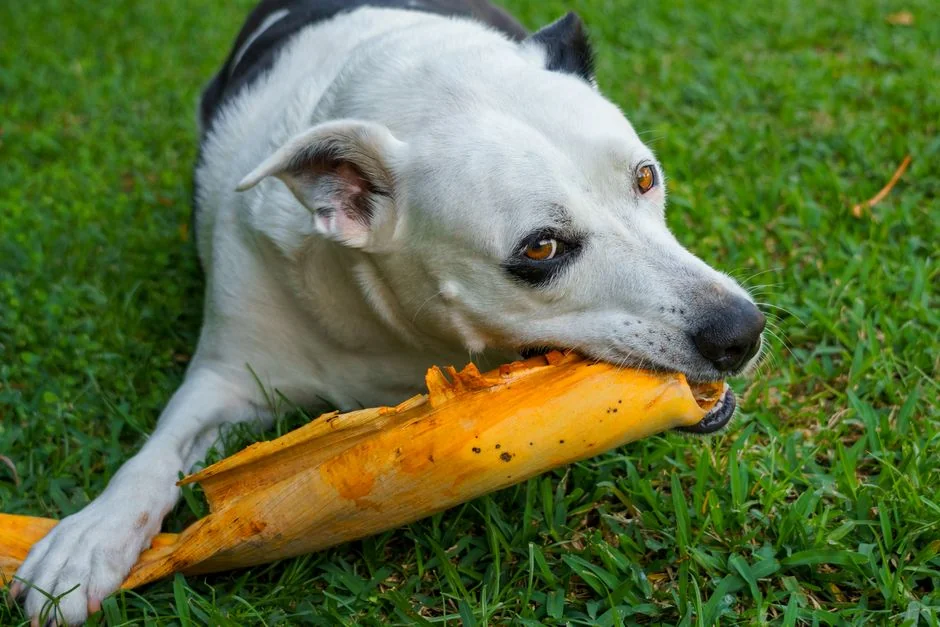
Knowing which household items are dangerous is essential for protecting your dog’s health and longevity. By familiarizing yourself with these common foods that are toxic to dogs, you can prevent accidental ingestion and potentially life-threatening emergencies.
Immediate Dangers: Foods to Avoid Entirely
Some human foods contain compounds that are biologically incompatible with a dog’s digestive or neurological systems. You should keep these items completely out of reach.
Chocolate and Caffeine
Chocolate is arguably the most well-known toxin, but you must understand why it’s dangerous. It contains theobromine and caffeine, both of which are stimulants that disrupt a dog’s metabolic process. Darker chocolate and baking chocolate contain higher concentrations of these stimulants and are significantly more toxic than milk chocolate. Ingestion can lead to tremors, seizures, elevated heart rates, and in severe cases, heart failure.
Grapes and Raisins
Even though the exact toxic mechanism of grapes and raisins remains a subject of research, they are confirmed culprits in sudden, acute kidney failure in dogs. Because the severity of the reaction can vary unpredictably between individual dogs, you should treat even a single raisin as a potential emergency. Never offer these as treats, and store them securely in high cabinets.
Xylitol (Birch Sugar)
Xylitol is an artificial sweetener found in sugar-free gum, candy, peanut butter, and some baked goods. It triggers a massive release of insulin in your dog’s body, leading to life-threatening hypoglycemia (low blood sugar) within minutes or hours. Furthermore, ingestion is frequently linked to acute liver failure. Always check the ingredient label on any “sugar-free” or “low-sugar” peanut butter before adding it to a Kong or treat toy.
Common Pantry Staples and Produce
Many ingredients you use daily for cooking pose significant risks that aren’t always obvious to the average owner.
Onions, Garlic, and Chives
Members of the Allium family—including onions, garlic, shallots, and chives—are highly toxic to dogs, regardless of whether they are cooked, raw, or powdered. These foods cause oxidative damage to your dog’s red blood cells, leading to hemolytic anemia. You may not notice symptoms immediately, as the breakdown of cells can take a few days to manifest as weakness, lethargy, or pale gums.
Macadamia Nuts
These nuts contain an unknown toxin that specifically affects a dog’s nervous system and muscles. Within 12 hours of ingestion, you might see signs like weakness in the hind legs, inability to stand, tremors, or hyperthermia. While most dogs recover with veterinary care, the experience is incredibly painful and stressful for the animal.
Raw Yeast Dough
If your dog consumes unbaked bread dough, the warm environment of their stomach allows the yeast to ferment. This produces alcohol, leading to alcohol poisoning. Additionally, the dough expands in the stomach, which can cause severe bloating or dangerous gastric dilation-volvulus (GDV), a condition where the stomach twists and cuts off blood flow.
The Risks of Alcohol and Fatty Foods
While you might know that alcohol is bad, you should also be mindful of how your dog interacts with your leftovers.
Alcohol
You should never allow your dog to consume any amount of alcohol, including trace amounts found in fermented products or certain desserts. Dogs have a much lower tolerance than humans. Even small quantities can lead to vomiting, difficulty breathing, a dangerous drop in blood sugar, and coma.
High-Fat Scraps
Fatty foods like trimmings from meat, bacon, or greasy table scraps can trigger pancreatitis. This is an inflammation of the pancreas that causes severe abdominal pain, vomiting, and diarrhea. While not always “poisonous” in the traditional chemical sense, the physiological impact can be devastating and often requires intensive veterinary hospitalization.
What to Do If Ingestion Occurs
If you suspect your dog has eaten any of the items listed above, do not wait for symptoms to appear. Time is a critical factor in successful treatment.
- Collect Evidence: Identify exactly what was eaten, how much was consumed, and when it happened. Keep the packaging if possible.
- Contact Professionals: Call your veterinarian or a pet poison control hotline immediately.
- Monitor Closely: Watch for irregular behavior, such as vomiting, lethargy, loss of appetite, or excessive pacing.
- Avoid Home Remedies: Do not attempt to induce vomiting unless specifically instructed to do so by a licensed veterinarian. Using incorrect methods or substances can cause further harm.
By keeping these foods separated from your dog’s living areas and staying vigilant during meal times, you take a proactive step in ensuring your companion remains safe, healthy, and happy.