
You trip over them in the kitchen, they sit outside the bathroom door while you shower, and they are constantly underfoot the moment you stand up. Understanding why your dog follows you everywhere is key to distinguishing between a healthy bond and behavioral issues that need addressing.
The Instinctual Roots of Shadowing
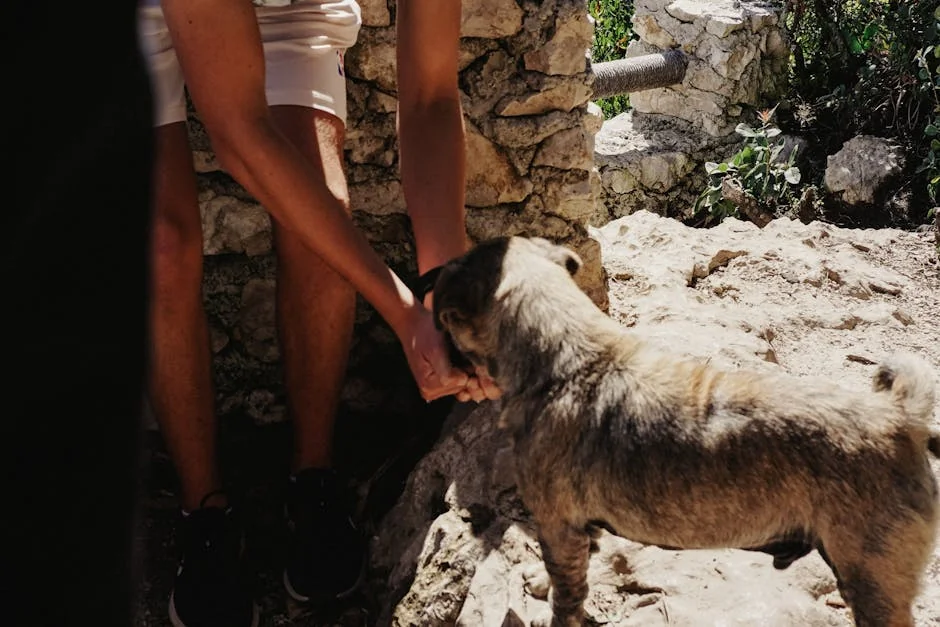
Your dog’s desire to be near you is hardwired into their DNA. While modern domesticated dogs are far removed from their wild ancestors, they retain a strong drive for social structure.
Pack Mentality and Social Cohesion
In the wild, isolation is dangerous. Canines survive by sticking together, maneuvering as a unit to hunt and protect one another. In your home, you are the leader of the pack—or at the very least, the most important social figure. Following you is a way for your dog to maintain social cohesion and ensure they are safe.
The “Secure Base” Effect
Scientific studies on canine cognition suggest that dogs view their owners much like human toddlers view their parents. This is known as the “secure base effect.” Your presence provides a safety net that allows your dog to explore the world confidently. When they follow you from room to room, they are essentially checking in with their anchor to ensure their environment remains secure.
The Role of Positive Reinforcement
Often, you are the one inadvertently training your dog to be a “velcro dog.” Dogs are master observers and learn quickly which behaviors result in rewards.
If you look down and smile, offer a pat, or toss a piece of food every time your dog follows you into the kitchen, you are reinforcing the behavior. Even simply talking to them when they enter the room validates their presence. Over time, your dog learns that proximity to you equals good things: attention, food, and affection.
Curiosity and FOMO (Fear of Missing Out)
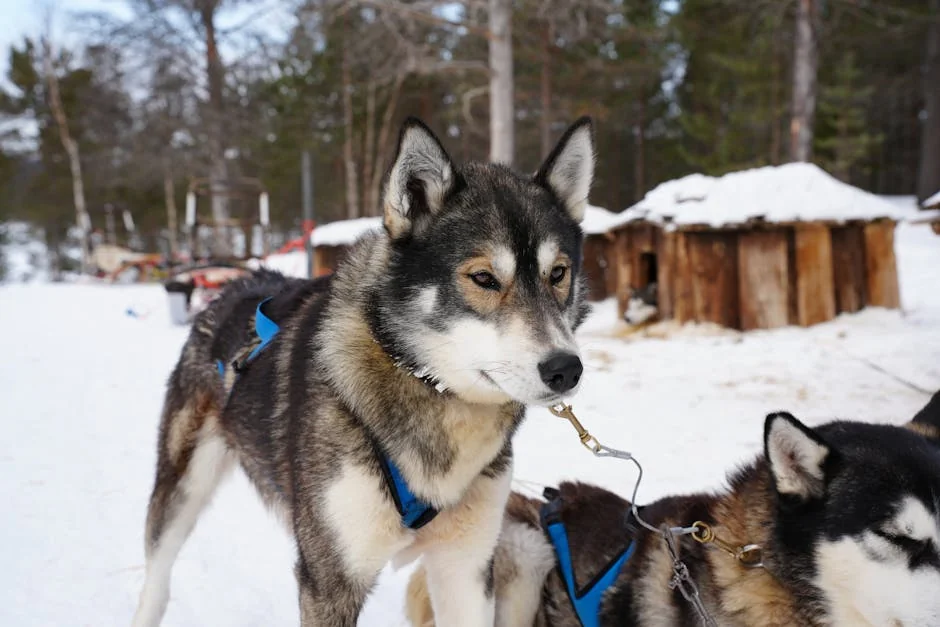
Dogs are naturally inquisitive scavengers. When you move abruptly or walk with purpose toward a specific room, your dog assumes something interesting is about to happen.
If you head to the kitchen, there might be food. If you head to the front door, it might be walk time. If you go into the backyard, there might be play. Your dog follows you everywhere simply because they don’t want to miss out on a potential resource or activity. They are gathering information about their environment by observing your actions.
Breed-Specific Tendencies

While individual personality plays a massive role, genetics dictate certain behaviors. Some dog breeds are developed specifically to work closely with humans.
Herding Breeds
Breeds like Border Collies, Australian Shepherds, and Corgis are bred to take direction from a handler and control the movement of other animals. Standing right next to you—or sometimes nipping at your heels—is an instinctual drive to keep the “flock” (you) together and organized.
Working and Guarding Breeds
Dobermans, Boxers, and Great Pyrenees often bond intensely with a single person or family. For them, following you is a form of patrol duty. They are keeping a watchful eye on you to ensure no threats approach.
Healthy Attachment vs. Separation Anxiety
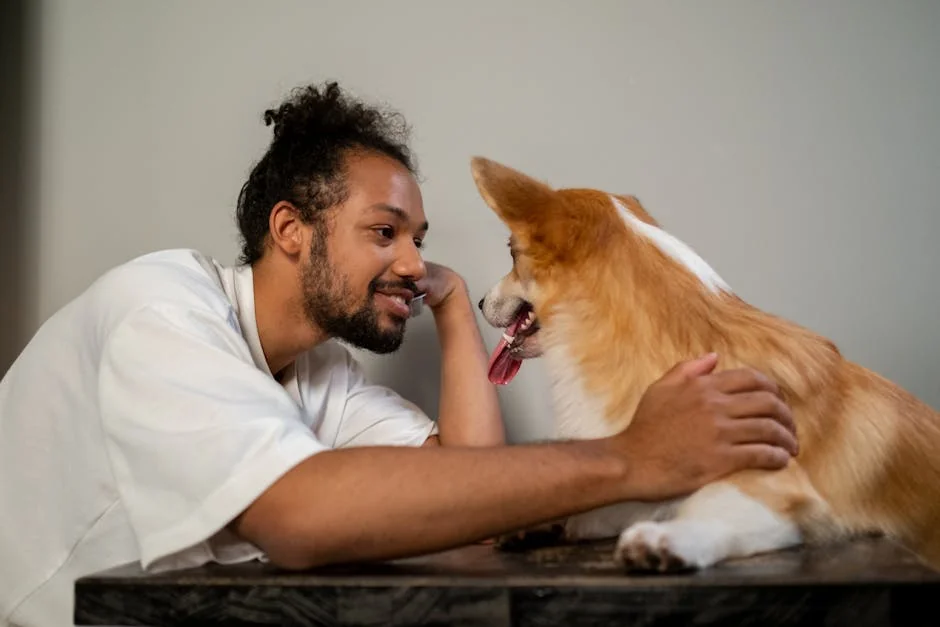
This is the most critical distinction you need to make. Most of the time, following you is a sign of love and loyalty. However, it can cross the line into pathological anxiety.
Signs of Healthy Attachment
If your dog follows you into a room but settles down calmly, watches you for a moment, or naps while you work, their attachment is likely healthy. They simply prefer your company over being alone. They are relaxed, their body language is loose, and they do not panic if you close a door between you.
Signs of Separation Anxiety
You should be concerned if the behavior is accompanied by distress. Signs that your dog is suffering from separation anxiety include:
- Whining, barking, or scratching frantically if you close a door.
- Pacing or panting heavily when you prepare to leave the room.
- Destructive behavior the moment you are out of sight.
- Inability to settle down unless they are touching you.
If your dog cannot physically tolerate being separated from you by a barrier or distance, this is a behavioral issue that requires desensitization training or professional help.
When Shadowing Becomes a Safety Hazard

Even if the behavior stems from love, a dog constantly underfoot can be dangerous. Small dogs can be tripped over, causing injury to both the pet and the owner. Large dogs can accidentally knock over children or elderly family members.
If your dog’s shadowing is becoming a nuisance or a hazard, you need to establish boundaries without damaging the bond.
How to Encourage Independence

If you want to reclaim your personal space, you must teach your dog that being away from you is safe and rewarding.
Teach the “Place” Command
This is the most effective tool for managing a velcro dog. Train your dog to go to a specific mat, bed, or crate and stay there until released. Start with short durations (10 seconds) and build up to longer periods (30 minutes). This gives your dog a “job” to do while you move around the house, preventing them from being underfoot.
Use Enrichment Toys
Give your dog a reason to enjoy being in a different room than you. Utilizing puzzle toys, lick mats, or stuffed Kongs can keep them occupied mentally. If they are focused on a high-value treat in the living room, they will be less likely to follow you to the bathroom.
Practice Micro-Separations
Desensitize your dog to your movement. Stand up, walk to the door, and sit back down without leaving. Step out of the room for two seconds and return immediately. Do not make a big deal out of leaving or returning. By making your movements boring and routine, you lower your dog’s anticipation and anxiety.
Understanding why your dog follows you everywhere allows you to appreciate their loyalty while managing their behavior. Whether it is instinct, affection, or curiosity, your dog looks to you for guidance—so guide them toward confident independence.