
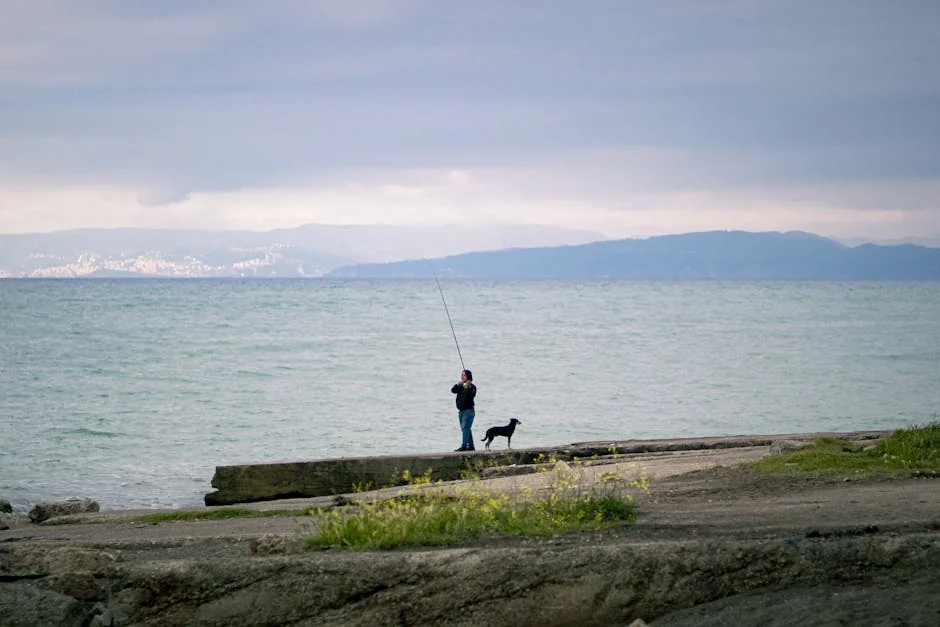
Watching a once-affectionate dog slowly withdraw or become aloof is heartbreaking for any owner. You likely want to know if this behavioral shift is a natural part of aging, a sign of a medical problem, or a reaction to a change in your relationship.
Here is a breakdown of why some dogs become distant over time and the actionable steps you can take to address the underlying causes.
Rule Out Medical Issues First
Before assuming your dog is unhappy with you, you must rule out physical discomfort. Dogs are masters at masking pain. By the time they show obvious symptoms like limping or whining, the condition is often advanced. In the early stages, the primary symptom of pain is often social withdrawal.
Silent Pain and Discomfort
If your dog has developed arthritis, hip dysplasia, or dental disease, being handled simply hurts. If you typically pet them on the head or roughhouse with them, they may begin to associate your touch with physical discomfort. To protect themselves, they retreat to a quiet corner or another room to avoid exacerbating their pain.
Sensory Decline
As dogs age, their vision and hearing naturally deteriorate. A dog that is losing its hearing may not greet you at the door simply because they didn’t hear you enter. Similarly, a dog with failing vision may feel vulnerable and anxious, choosing to stay in a “safe zone” rather than navigating the house to find you. If your dog startles easily when you touch them, sensory loss is a likely culprit.
Canine Cognitive Dysfunction (CCD)
If your dog is a senior, their emotional distance might be a symptom of Canine Cognitive Dysfunction, often referred to as dog dementia. This neurological condition changes how your dog interacts with the world and the people they love.
Symptoms of CCD often include:
- Disorientation or getting “stuck” in corners.
- Changes in sleep-wake cycles (sleeping all day, pacing all night).
- Staring blankly at walls.
- A seeming failure to recognize family members or a lack of interest in petting.
If your dog seems “spaced out” rather than actively avoiding you, consult your veterinarian immediately. Supplements and medications can slow the progression of cognitive decline.
Assessing Relationship Dynamics
If your dog has a clean bill of health, the distance may stem from how you interact with them. Even well-meaning owners can unknowingly create negative associations that cause a dog to pull away.
Over-Handling and Respect for Space
Many dogs merely tolerate hugging, kissing, and constant physical contact rather than enjoying it. As a puppy, your dog may have accepted this handling, but as they reach social maturity, their tolerance often decreases. If you constantly invade their personal space when they are resting, they may start sleeping in remote locations to avoid being bothered.
Inconsistent Leadership or Harsh Correction
Dogs thrive on predictability. If your reaction to their behavior varies wildly—giving treats one day and yelling the next—your dog will view you as unstable and unsafe. Similarly, if you utilize harsh punishment or physical corrections, your dog will learn that being near you carries a risk. They will distance themselves to ensure their own safety.
Environmental Stressors and Anxiety
Major life changes impact dogs more deeply than many owners realize. Dogs are creatures of habit, and disruptions to their routine can cause anxiety-induced withdrawal.
Change in Household Composition
The addition of a new baby, a new partner, or another pet can make a dog feel displaced. If a toddler is constantly chasing the dog, the dog will eventually learn that the only way to get peace is to stay far away from the family hub.
The “Shut Down” Response
When a dog is chronically stressed—perhaps due to loud noises, construction nearby, or separation anxiety—they may enter a state known as learned helplessness or “shutting down.” This looks like calmness or distance, but it is actually a coping mechanism for overwhelming stress.
The Shift from Puppyhood to Adulthood
Sometimes, what you perceive as your dog becoming “distant” is actually just your dog growing up.
Puppies are biologically wired to be needy and clingy; they rely on you for survival and constant reassurance. As dogs mature into adults (usually between ages 1 and 3), they develop confidence and independence. An adult dog who prefers to sleep on the cool floor across the room rather than on your lap isn’t necessarily unloving—they are just secure enough to be independent.
How to Reconnect with Your Dog
If the distance is behavioral, you can rebuild the bond by changing how you interact.
The Consent Test
Stop forcing affection. employ the “consent test” to see if your dog actually wants to be touched.
- Pet your dog for three seconds.
- Stop and pull your hand away.
- Observe their reaction.
If they lean in or nudge you, they want more. If they look away, yawn, or move away, they are asking for space. Respecting their “no” builds massive trust.
Create Positive Associations
Become the source of all good things again. Instead of feeding them from a bowl, use their mealtime for short, fun training sessions or puzzle games. Reward them heavily for voluntary engagement. If they approach you on their own, offer calm praise or a treat, but do not immediately overwhelm them with intense hugging.
Establish a Predictable Routine
Anxiety-based distance is cured by predictability. Walk, feed, and interact with your dog at the same times every day. When a dog knows what to expect, their anxiety levels drop, and they become more willing to engage socially.
By identifying whether the cause is medical, mental, or environmental, you can adjust your approach and ensure your dog feels safe, comfortable, and connected to you again.