
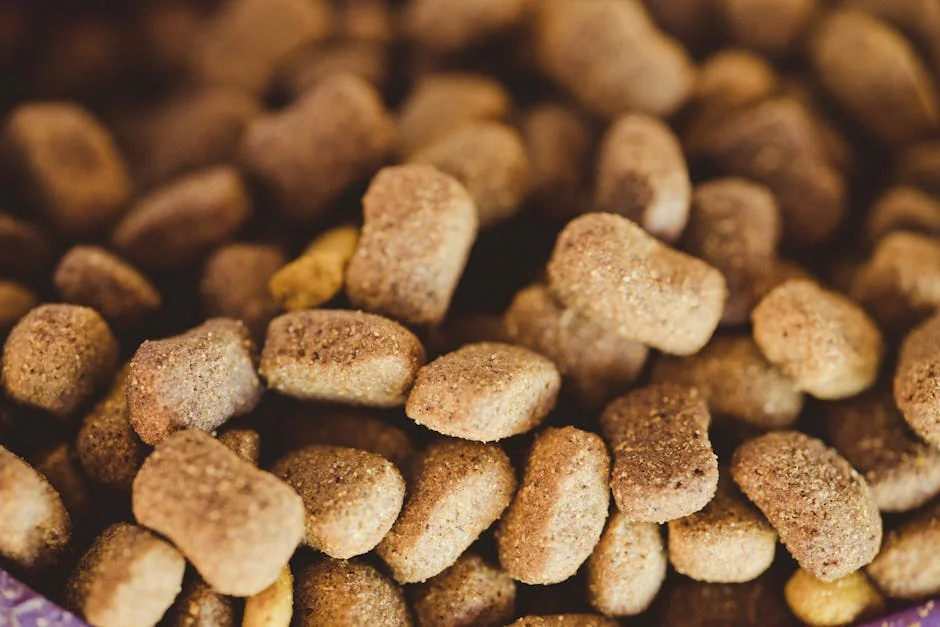
As your dog transitions into their senior years, their nutritional requirements change significantly to support a slowing metabolism and an aging body. Adjusting their diet is one of the most effective ways you can manage their weight, support joint health, and maintain cognitive function during this life stage.
Understanding How Senior Nutritional Needs Differ
The best diet for a senior dog isn’t simply “adult food but less of it.” Aging dogs undergo physiological changes that require a distinct balance of macronutrients. Generally, dogs are considered seniors around age seven, though large breeds age faster than small breeds.
As activity levels decrease, your dog requires fewer calories to maintain a healthy weight. However, their need for specific nutrients often increases. The primary goal of a senior diet is to maintain muscle mass while preventing obesity, which puts unnecessary stress on aging joints and internal organs.
The Role of Protein in Senior Diets
There is a common misconception that senior dogs should eat a low-protein diet to protect their kidneys. Current veterinary research suggests the opposite is true for healthy aging dogs.
Why High-Quality Protein Matters
As dogs age, they lose muscle mass, a condition known as sarcopenia. To counteract this, your dog actually needs higher levels of digestible protein than younger adults to maintain their strength and mobility. Look for foods where high-quality meat—like chicken, beef, or fish—is the first ingredient.
When to Restrict Protein
You should only restrict protein if a veterinarian has diagnosed your dog with kidney disease (chronic renal failure). In these specific cases, a renal support diet is necessary to reduce the workload on the kidneys. If your dog has healthy kidneys, restricting protein can be detrimental, leading to muscle wasting.
Vital Nutrients and Supplements
The best diet for senior dogs includes functional ingredients that target common age-related ailments like arthritis and cognitive decline. When reading labels, look for these specific additions.
Joint Support
Arthritis and joint stiffness are nearly inevitable for many breeds. Your senior dog’s food should contain Glucosamine and Chondroitin Sulfate. These compounds support cartilage repair and reduce inflammation. If the food does not contain high enough levels (which is common in standard kibble), you should add a standalone joint supplement to their daily routine.
Omega-3 Fatty Acids
Healthy fats are crucial. Omega-3 fatty acids, particularly EPA and DHA found in fish oil, act as potent anti-inflammatories. They help alleviate joint pain and are essential for maintaining cognitive function. They also help combat dry, flaky skin, which is common in older dogs.
Fiber and Digestion
The digestive system slows down with age, making older dogs more prone to constipation. A diet rich in fiber helps maintain regular bowel movements and supports gut health. Ingredients like pumpkin, beet pulp, or sweet potato are excellent sources of fiber that are gentle on the stomach.
Addressing Specific Health Challenges
You may need to select a diet based on specific medical conditions that arise in your dog’s golden years.
Dental Health and Food Texture
If your dog suffers from periodontal disease or has lost teeth, crunchy kibble may be painful to eat. This can lead to your dog refusing food or swallowing kibble whole, which is a choking hazard and hurts digestion.
Switching to a canned wet food, a fresh food diet, or soaking their current kibble in warm water or bone broth can make eating comfortable again. Warming the food also enhances the aroma, which helps stimulate appetite if your dog’s sense of smell is fading.
Heart Health and Sodium
If your dog has been diagnosed with heart disease, monitoring sodium intake is critical. Avoid table scraps and high-salt treats. Commercial therapeutic diets designed for cardiac health have strictly controlled sodium levels to prevent fluid retention and manage blood pressure.
Obesity Management
Obesity is the most common nutritional disorder in senior dogs and can shorten their lifespan by up to two years. If your dog is overweight, you must switch to a senior-specific weight management formula.
These diets are formulated to be less calorie-dense but higher in fiber to keep your dog feeling full. Measure every meal using a standard measuring cup—do not eyeball it. Even a small surplus of calories can lead to significant weight gain in a sedentary senior.
Choosing Between Dry, Wet, and Fresh Food
- Dry Kibble: Convenient and cost-effective. Look for “Senior” formulations that have lower caloric density and specific nutrient ratios.
- Wet Canned Food: Higher moisture content helps keep your dog hydrated, which supports kidney function. It is also more palatable for picky eaters.
- Fresh or Freeze-Dried: These options often offer the highest digestibility. Because senior digestive systems are less efficient, highly digestible fresh food allows the body to absorb more nutrients with less waste.
How to Transition to a Senior Diet
When you decide to switch your dog’s food, do not do it abruptly. Older digestive systems are sensitive, and a sudden change can cause diarrhea or vomiting.
Mix the new food with their current food over the course of 7 to 10 days:
- Days 1–3: 25% new food, 75% old food.
- Days 4–6: 50% new food, 50% old food.
- Days 7–9: 75% new food, 25% old food.
- Day 10: 100% new food.
Monitor your dog’s energy, stool quality, and coat condition during this time. By providing a diet rich in high-quality protein, moderate calories, and targeted supplements, you give your senior dog the best chance at a comfortable, happy, and healthy retirement.