
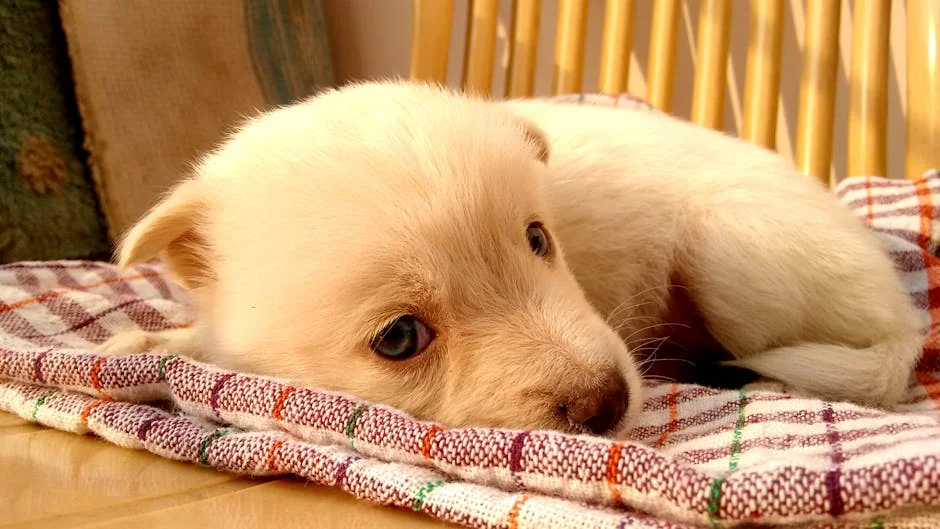
Bringing a new puppy home is a life-altering decision that extends far beyond adorable moments and playtime. To assist you in navigating this transition without the common regrets, this guide covers the logistical, financial, and emotional realities that often catch new owners off guard.
The “Puppy Blues” Are a Legitimate Phase
Many new owners expect instant connection and constant joy, but the reality often includes a period of anxiety and regret known as the “puppy blues.” You may feel overwhelmed by the sudden loss of freedom and the relentless demands of a living creature that depends on you for everything.
Understanding that this is a temporary, chemical reaction to stress is vital. The bond with your dog is not instant; it is built over months of shared experiences and routine. You generally won’t see the “good dog” emerge until the puppy phase subsides, which can take anywhere from six months to two years depending on the breed. Prepare yourself mentally for weeks where you question your decision, and know that consistency will eventually pay off.
Your Schedule Revolves Around Their Bladder
Before getting a puppy, you might underestimate the sheer frequency of potty breaks required. A general rule of thumb is that a puppy can hold their bladder for one hour for every month of age, but this does not apply when they are active, playing, or have just woken up.
The Midnight Reality
Sleep deprivation is a guaranteed part of the process. For the first several weeks, you will likely need to wake up at least once or twice a night to let the puppy out. If you fail to do this, you risk normalizing soiling the crate or bed, which is a difficult habit to break.
To survive this, create a shift schedule if you live with a partner. If you live alone, adjust your own sleeping hours to maximize rest during the puppy’s longest sleep window.
Management Is More Important Than Commands
New owners often obsess over teaching commands like “sit” or “shake,” but these tricks do very little to improve your daily life. The most critical skill in raising a well-adjusted dog is management. This means controlling the environment to prevent bad habits from forming in the first place.
If you give a puppy free roam of your house, they will destroy it. Instead, you must utilize restriction tools:
- Crates: For sleeping and when you cannot supervise.
- Playpens: For safe, independent play.
- Tethering: Leashing the puppy to you inside the house so they cannot wander off to chew cords or pee on rugs.
Every time your puppy practices a bad behavior—like chewing a shoe or counter-surfing—that behavior is reinforced. Your primary job is not to punish mistakes, but to arrange your home so mistakes cannot happen.
True Socialization Is About Neutrality, Not Play
A common misconception is that socialization means letting your puppy meet every person and dog they see. This approach often backfires, creating a dog that becomes frustrated and reactive on the leash because they expect to say hello to everyone.
Proper Exposure Techniques
Socialization actually means desensitizing your puppy to the world so they remain calm and neutral in various environments. You want a dog that can watch a skateboarder pass by, hear a loud truck, or see another dog across the street without reacting.
Take your puppy to parking lots, park benches, or pet-friendly stores, and simply sit there. Reward them for looking at triggers and then looking back at you. You are teaching them that the world is background noise and you are the most interesting thing in their environment.
Mental Stimulation Tires Them Out Faster Than Exercise
You cannot exhaust a high-energy puppy simply by walking them. Puppies have incredible physical stamina, and excessive forced running can actually damage their growing joints. Furthermore, constantly physically exercising a puppy builds an athlete that requires hours of activity just to settle down.
The secret to a calm puppy is mental stimulation. 15 minutes of brain work is often equivalent to an hour of physical exercise. Ditch the food bowl and feed your puppy exclusively through enrichment methods:
- Puzzle toys: Toys that require them to slide, lift, or flip compartments to get kibble.
- Snuffle mats: Fabric mats that hide food, encouraging them to use their nose.
- Training sessions: Short bursts of obedience training.
- Frozen treats: Stuffing a hollow rubber toy with wet food and freezing it.
Licking, chewing, and sniffing are natural calming behaviors that release endorphins in a dog’s brain. Prioritize these activities over long walks to preserve your sanity.
The Financial Cost Goes Beyond the Adoption Fee
The initial cost of buying or adopting the dog is the cheapest part of ownership. You need to budget for the immediate and ongoing “hidden” costs that stack up quickly in the first year.
Medical and Insurance
Puppies require a series of vaccinations (usually three to four rounds), deworming, and spay/neuter surgery. Additionally, puppies are prone to eating things they shouldn’t, leading to expensive emergency vet visits. Pet insurance is highly recommended, but you must secure it before the puppy has any documented medical history, or pre-existing conditions will be excluded.
Gear and Destruction
You will buy things that get destroyed. Beds will be torn, harnesses will be outgrown, and toys will be shredded. Factor in a monthly budget for replacing supplies and purchasing high-quality food, which directly impacts their health and stool quality.
Your Spontaneity Will Disappear
Perhaps the most jarring change is the loss of spontaneity. You can no longer decide to go out for drinks after work, take a weekend trip, or sleep in on a Sunday without extensive planning.
Every outing requires calculation: How long has the dog been alone? Do I need a walker? Is the place dog-friendly? If you work full-time, you may need to hire a dog walker for midday breaks, adding to your monthly expenses. Acknowledging this sacrifice beforehand allows you to adjust your lifestyle proactively rather than resenting the restrictions later.