
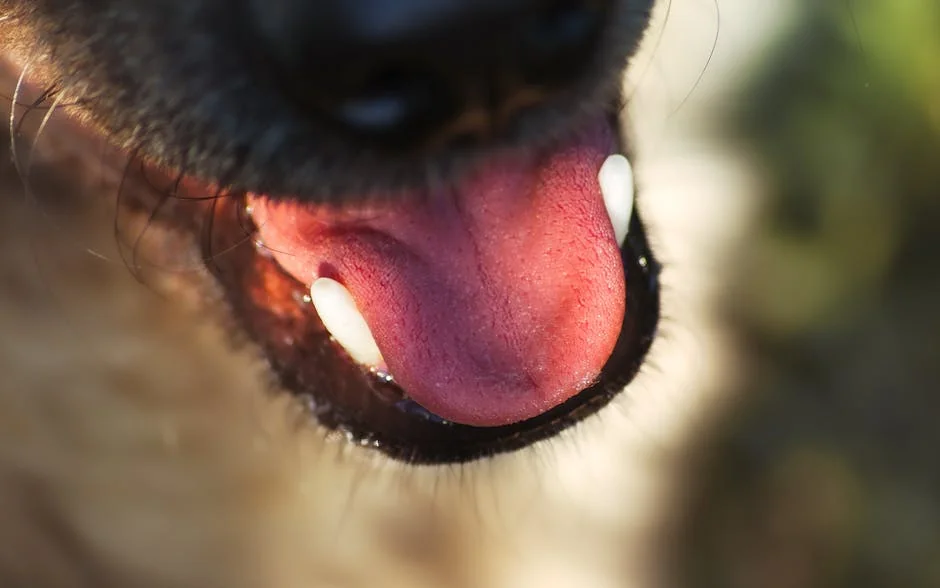
Checking your dog’s gums is one of the most effective, yet overlooked, ways to monitor their overall health. Your dog’s mouth often reveals the first signs of illness, ranging from dental disease to serious systemic issues like anemia or heatstroke. By knowing what healthy dog gums look like, you can catch distinct changes early and seek veterinary care before minor problems become emergencies.
The Standard: Bubblegum Pink and Moist
The primary indicator of healthy gums in most dogs is color. In a healthy dog, the gums should be a specific shade of bubblegum pink or salmon pink. This color indicates that blood is oxygenated and circulating properly throughout the body.
Beyond color, texture and moisture are equally important. Run your finger along your dog’s gum line. Healthy gums feel slippery and wet. They should be smooth to the touch, without any rough patches, raised bumps, or sticky residue. If the gums feel tacky or dry, this is a strong indicator of dehydration, and you should encourage your dog to drink water immediately.
Natural Pigmentation: The Exception to the Pink Rule
Not every dog has pink gums, and that is perfectly normal for certain breeds. Breeds like Chows, Shar-Peis, and Black Labradors often have black pigmentation or dark spots on their gums and tongues.
If your dog has naturally black or spotted gums, you cannot rely solely on color to judge their health. Instead, you must focus on the underlying tissue and the overall look of the mouth.
In these cases, look at the unpigmented (pink) areas if they exist. If the gums are entirely black, pay close attention to the texture. They should still be moist and glistening. Furthermore, you can pull down the eyelid gently to check the color of the inner tissue, which should be pink, to assess for conditions like anemia since the dark gum pigment hides check-able redness.
Checking Capillary Refill Time (CRT)
One of the most valuable health checks you can perform at home is the Capillary Refill Time (CRT) test. This tests your dog’s blood circulation and hydration levels.
- Lift your dog’s lip and find a pink area of the gum.
- Press your finger firmly against the gum for one to two seconds until the area turns white.
- Remove your finger and watch how quickly the pink color returns.
In a healthy dog, the color should return in less than two seconds. If it takes longer than two seconds for the pink color to return, or if the gum remains white, your dog may be suffering from shock, dehydration, or poor circulation. This warrants an immediate call to your veterinarian.
Color Guide: Warning Signs to Watch For
While pink is the goal, other colors usually signal specific medical issues. Understanding these variations helps you communicate effectively with your vet.
Pale or White Gums
If the gums look faded, pale pink, or stark white, your dog is likely experiencing a lack of blood flow or a decrease in red blood cells. This is a medical emergency. Common causes include:
- Severe blood loss (internal or external).
- Anemia.
- Shock or trauma.
Bright Red or Brick Red Gums
While pink is healthy, deep red or bright “brick” red is not. This usually indicates increased blood flow due to overheating or infection.
- Heatstroke: If your dog has been active in hot weather and has bright red gums, they are likely overheating. Cool them down immediately and seek help.
- Stomatitis or Gingivitis: If the redness is concentrated along the gum line where the teeth meet the tissue, it is likely periodontal disease or gingivitis.
Blue or Purple Gums (Cyanosis)
Blue, purple, or greyish gums indicate a lack of oxygen in the blood stream. This is known as cyanosis. This can be caused by:
- Pneumonia.
- Choking or a blocked airway.
- Heart failure.
- Bathing in extremely cold water (hypothermia).
If you see blue or purple gums, treat this as a life-threatening emergency and go to the nearest emergency vet immediately.
Yellow Gums
A yellowish tint to the gums, often accompanied by yellowing of the whites of the eyes, indicates jaundice (icterus). This suggests underlying issues with the liver or the destruction of red blood cells.
Other Physical Indicators of Gum Health
Color isn’t the only factor. The physical structure of the gums tells a story about your dog’s oral hygiene.
Healthy gums generally meet the tooth smoothly. They should hug the tooth tight. If you notice the gums pulling away from the teeth (receding gums), it exposes the roots and leads to sensitivity and infection.
bWatch for raised masses or growths. While some older dogs develop harmless overgrowths called epulides, other lumps can be malignant tumors such as melanoma or squamous cell carcinoma. Any new growth on the gums requires veterinary testing.
How to Perform a Routine Gum Check
You should inspect your dog’s mouth at least once a week. Make this a positive experience so your dog tolerates it well.
- Wait for a calm moment: Do not try this when your dog is excited or playing.
- Ensure good lighting: Use natural daylight or a bright flashlight to see the true color of the tissues.
- Be gentle: Lift the lip near the canine teeth (the long fangs) first, as this gives the best view.
- Smell their breath: While dog breath is rarely minty fresh, it should not smell offensive, metallic, or like rotting meat. Fetid breath almost always accompanies unhealthy gums and dental disease.
By familiarizing yourself with what healthy dog gums look like today, you establish a baseline. You will immediately notice when the texture becomes tacky or the bubblegum pink fades to a concerning pale tone, allowing you to act fast and keep your dog healthy.