
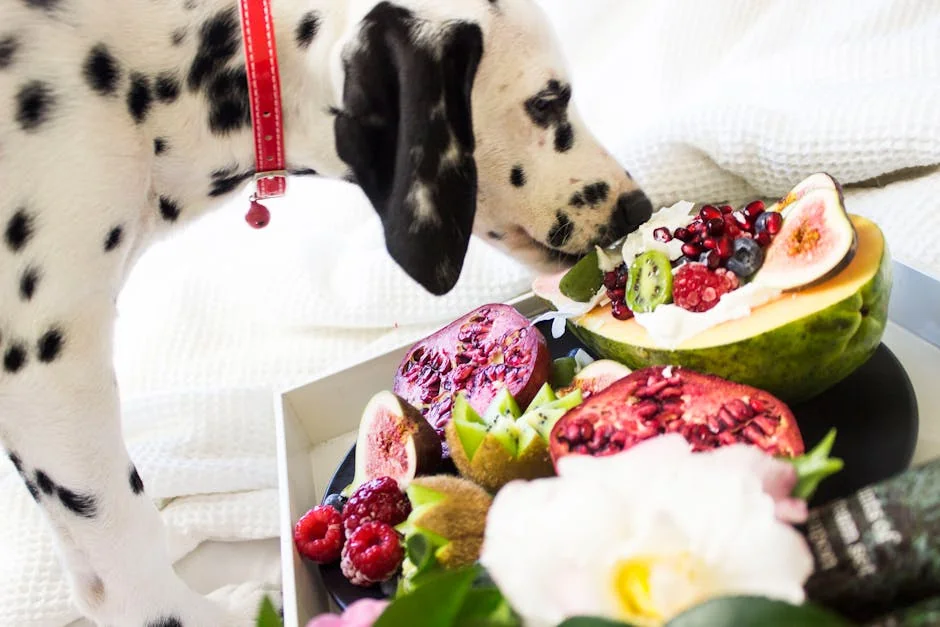
Sharing fresh snacks with your dog is a great way to bond and supplement their diet with natural vitamins, antioxidants, and hydration. However, because canine digestive systems process compounds different than yours, knowing exactly which fruits are safe—and how to prepare them—is essential to avoid toxicity or digestive distress.
The Best Fruits to Feed Your Dog
Many common fruits found in your kitchen are perfectly safe for dogs when served correctly. These options offer high nutritional value and make excellent low-calorie treats.
Apples
Apples are a fantastic source of vitamins A and C, as well as fiber for digestive health. Their crunchy texture can also help clean your dog’s teeth and freshen their breath. You must slice the apple and remove the core and seeds before serving. Apple seeds contain small amounts of cyanide, which can accumulate in a dog’s system over time.
Bananas
If you need a high-reward treat, bananas are a top choice. They are loaded with potassium, vitamins, and biotin while being low in cholesterol and sodium. Because of their high sugar content, you should treat bananas as an occasional snack rather than a daily dietary staple. Excessive consumption can lead to constipation or weight gain.
Blueberries
Blueberries are a superfood for both humans and dogs. Packed with antioxidants, fiber, and phytochemicals, they help prevent cell damage and support the immune system. Their small size makes them perfect training treats that don’t require chopping or prep work.
Watermelon
Watermelon is 92% water, making it an excellent hydration booster on hot days. It also contains vitamins A, B6, and C, along with potassium. You must remove the rind and seeds before offering it to your dog. rinds can cause intestinal blockages, and seeds may cause digestive upset.
Strawberries
Fresh strawberries provide fiber and vitamin C. They also contain an enzyme that can help whiten your dog’s teeth. Like bananas, they are relatively high in sugar, so offer them in moderation. Ensure you cut them into small pieces to prevent choking, especially for smaller breeds.
Cantaloupe
Cantaloupe is safe and nutrient-dense, packed with beta-carotene which aids vision and immune health. Due to its high sugar content, you should be careful if your dog is diabetic or overweight. Always remove the tough outer skin and seeds.
Fruits That Are Safe With Strict Preparation
Some fruits are non-toxic but contain parts that are dangerous. You can feed these to your dog, but you must be diligent about preparation.
Peaches, Apricots, and Plums
The flesh of these stone fruits is safe, sweet, and full of vitamins. However, the pits (or stones) are extremely dangerous. Not only are they major choking hazards that can block intestines, but they also contain cyanide. You must cut the fruit away from the pit completely; never let your dog chew on the whole fruit.
Pears
Pears are high in copper, vitamin K, and vitamin C. Similar to apples, the seeds contain traces of cyanide. You safe bet is to cut bite-sized chunks of the flesh and discard the core and seeds entirely. Avoid canned pears, as they are often packed in sugary syrups that dogs do not need.
Pineapple
Fresh pineapple is a tangy treat that contains bromelain, an enzyme that helps absorb proteins. Because it is highly acidic and sugary, restrict this to small amounts. Too much pineapple can cause diarrhea or nausea. Always peel the prickly skin and remove the hard inner core before serving.
Essential Preparation Rules
To ensure safety, follow these guidelines every time you introduce fruit to your dog’s diet:
Wash Everything: Pesticides and bacteria on the surface of fruit can harm your dog just as they can harm you. wash fruit thoroughly before cutting.
Remove Hard Parts: Stems, rinds, seeds, pits, and cores are generally unsafe. They present choking hazards or contain toxins.
Cut to Size: Large chunks of fruit can lodge in a dog’s throat or digestive tract. Cut everything into bite-sized pieces appropriate for your dog’s size.
Follow the 10% Rule: Treats, including fruit, should essentially make up no more than 10% of your dog’s total daily calorie intake. The bulk of their nutrition should come from a balanced dog food.
Fruits You Must Avoid Completely
While many fruits are healthy, some contain toxins that cause serious health issues in dogs. Never feed the following fruits to your pet:
Grapes and Raisins
You must strictly avoid grapes and raisins. They are highly toxic to dogs and can cause sudden, acute kidney failure. The exact toxic substance is unknown, and sensitivity varies by dog, meaning even a single grape can be fatal for some. If your dog ingests these, contact a veterinarian immediately.
Cherries
While the flesh is technically safe, the cherry pit is a concentrated source of cyanide and is very easy for dogs to swallow accidentally. The risk of poisoning and intestinal blockage is too high to make cherries a worthwhile treat.
Avocado
Avocados contain persin, a fungicidal toxin which can cause vomiting and diarrhea in dogs. The large pit is also a significant choking hazard.
Citrus Fruits (Lemons, Limes, Grapefruit)
While not always fatal, the citric acid and essential oils in these fruits can cause significant irritation to a dog’s mouth and throat, leading to vomiting or diarrhea.
Safe Serving Ideas
Once you have identified the safe fruits, you can get creative with how you serve them:
- Frozen Treats: Freeze chunks of watermelon, banana, or strawberries for a cooling summer snack.
- Pureed Toppers: Mash blueberries or bananas and mix them into your dog’s kibble to add moisture and flavor.
- Stuffable Toys: Mix apple chunks or banana with peanut butter (xylitol-free) and freeze inside a rubber toy for long-lasting entertainment.
By sticking to the safe list and preparing the food properly, you can share the health benefits of fruit without worrying about your dog’s safety. When in doubt, always start with a very small piece to see how your dog’s stomach reacts before offering a full serving.