
Your dog spends roughly half of their life asleep, yet these resting hours are far from passive. By observing how your dog positions their body during naptime, you can gain immediate insight into their sense of security, their mood, and even their current health status.
Understanding these positions helps you gauge whether your companion is in a deep restorative cycle or simply dozing while ready to spring into action. Here is a breakdown of common dog sleeping positions and exactly what they signal about your pet.
The Side Sleeper
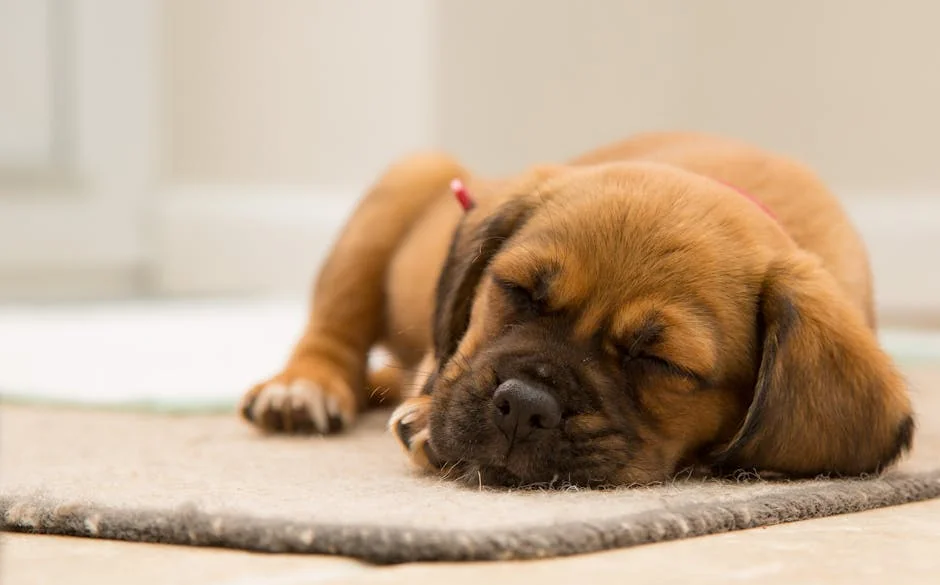
This is one of the most common sleeping postures for domesticated dogs. You will see your dog lying on their side with their legs extended.
If you find your dog in this position, take it as a compliment. It indicates that they feel completely safe and comfortable in their environment. By exposing their flank and belly—areas that would be vulnerable in the wild—they are signaling a total lack of threat.
This position often coincides with deep, restorative sleep cycles. You might notice their paws twitching or hear soft whimpers, which suggests they have entered the REM (Rapid Eye Movement) stage of sleep. Because this is when the most restful sleep occurs, it is best not to disturb a dog in this pose.
The Curled-Up “Donut” or Fox Position
In this position, your dog tucks their paws beneath them and wraps their tail around their nose, creating a tight circle.
Protection and Warmth
This posture is an evolutionary holdover from wild ancestors. It serves two primary purposes: conserving body heat and protecting vital organs. By curling into a ball, the dog minimizes the surface area exposed to cold air.
Psychological State
While this can simply mean your dog is chilly, it can also indicate a desire for security. A dog in a new environment or one that feels slightly anxious may adopt this pose to protect themselves. It is less common for dogs to enter deep REM sleep in this position because their muscles remain somewhat tense to maintain the ball shape.
The “Superman” Sploot
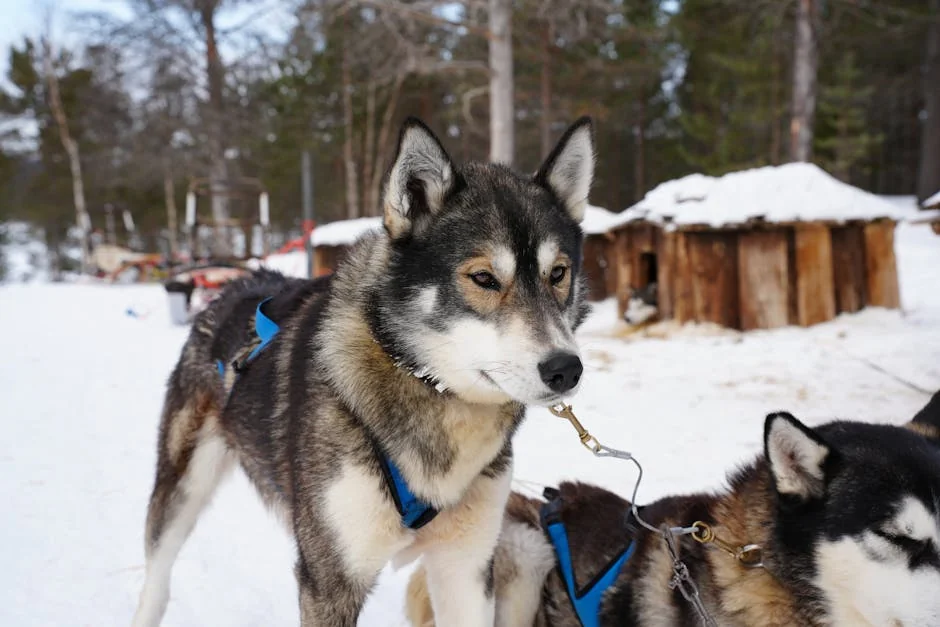
This distinct position involves the dog lying on their stomach with their front legs stretched forward and their back legs stretched straight behind them. It looks exactly like a superhero in flight.
You will most often see this position in puppies or high-energy breeds like Border Collies or Terriers. The meaning here is simple: readiness. From this position, a dog can pop up onto their paws instantly. It indicates a dog that is tired but wants to be ready to play at a moment’s notice.
Additionally, this position helps cool the dog down. The fur on the underside of a dog is often thinner, so pressing their belly against cool tile or hardwood floors helps regulate their body temperature quickly after vigorous exercise.
The “Dead Bug” (Belly Up)
Perhaps the most amusing posture, this features your dog lying on their back with their paws sticking up in the air.
Ultimate Trust
This is the most vulnerable position a dog can take. In the wild, exposing the throat and vital organs is dangerous. If your dog sleeps this way, they are demonstrating 100% confidence in her surroundings and the people in it. They do not feel the need to protect themselves.
Temperature Regulation
Like the Superman pose, this is also a tactic to beat the heat. Dogs sweat through their paw pads, and their bellies have the least amount of fur. Exposing these areas to the air allows for rapid cooling. If it is a hot summer day, you will see this position frequently.
The Lion’s Pose (The Sphinx)
In this pose, your dog rests their belly on the floor with their head resting on top of their paws, similar to the statues of the Great Sphinx.
This is usually a transitional pose. Your dog is not in a deep sleep; they are merely resting or dozing. They are likely waiting for something specific—like you getting up to grab a snack or the sound of the mail carrier. Their muscles are tense enough that they can spring into action instantly. If you see this frequent dozing, know that your dog is essentially in “standby mode.”
The Cuddler (Back-to-Back or Snuggling)
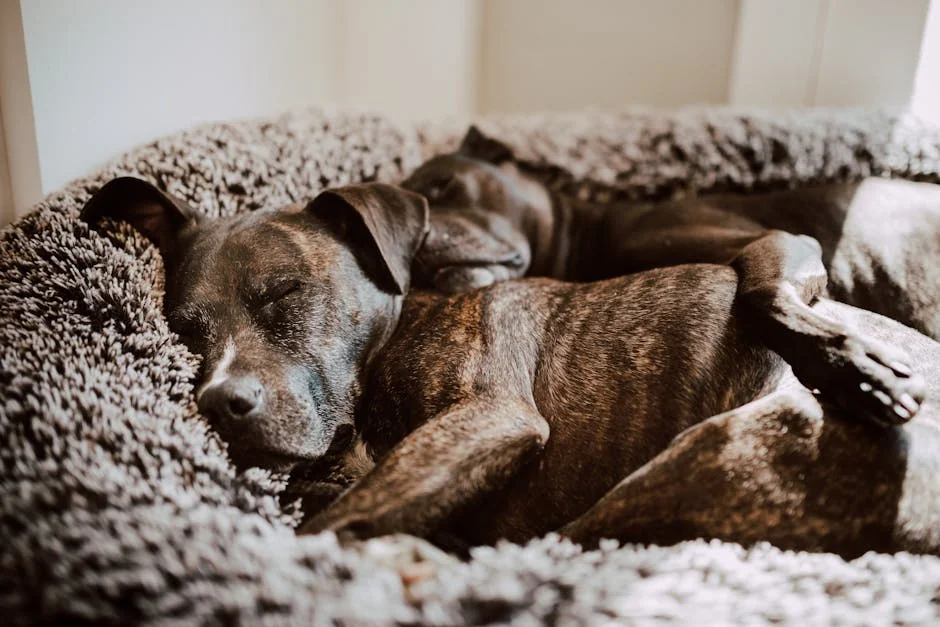
If your dog insists on sleeping pressed against you, or back-to-back with other pets in the house, they are acting on their pack instinct.
Puppies pile together for warmth and security, and this behavior often carries over into adulthood. When your dog presses their back against yours, they are bonding with you and showing that they consider you part of their pack. It provides them with a sense of safety, knowing that someone is “watching their back” while they rest.
Burrowing Under Blankets
Some dogs, particularly terriers and hounds, prefer to sleep completely covered by blankets, pillows, or laundry piles.
This behavior mimics the safety of a den. It provides a dark, warm, and enclosed space that helps the dog feel secure. If your dog is a burrower, they likely require a higher distinct sense of safety to relax fully. Providing them with a “cave style” dog bed or a designated heavy blanket can significantly improve their sleep quality.
When Sleeping Positions Signal Health Issues
While most positions are a matter of preference or temperature, subtle changes can indicate pain or illness.
- Prayer Position: If your dog stretches their front legs out while keeping their rear end in the air (and they are not play-bowing), this can be a sign of abdominal pain or pancreatitis.
- Restlessness: A dog that cannot get comfortable, circles constantly, or changes positions every few minutes may be suffering from arthritis or joint pain.
- Head Pressing: If your dog sleeps pressing their head firmly against a wall or solid object, this is a serious neurological red flag. You should contact a veterinarian immediately.
By paying attention to these physical cues, you can ensure your dog is not just sleeping, but sleeping well. Adjusting the room temperature or providing a different type of bed based on their preferred position can help them get the rest they need to stay healthy and active.