
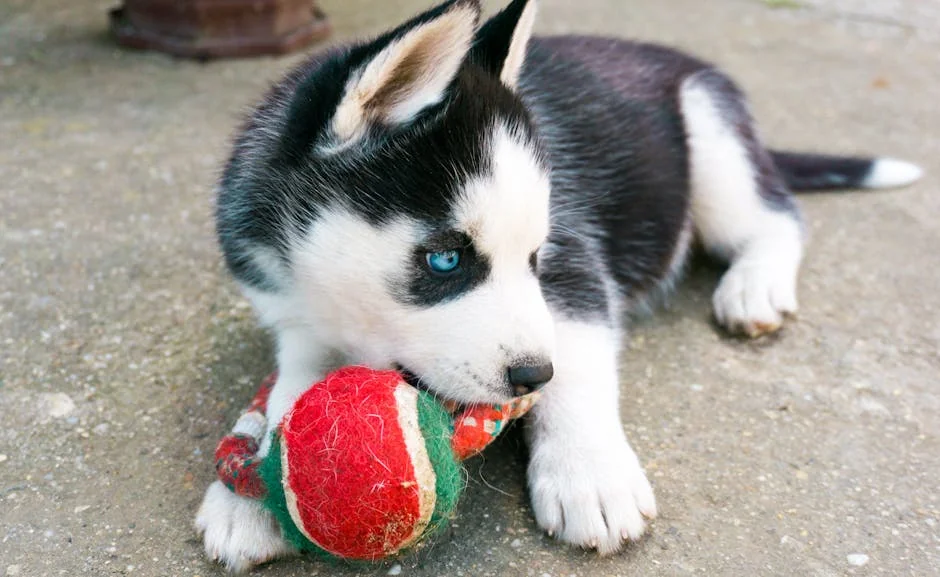
If you own a power chewer, you know the frustration of buying a toy labeled “indestructible” only to find it shredded on your living room floor ten minutes later. Not only is this habit expensive, but it also poses serious health risks, including bowel obstructions and broken teeth.
Finding the best dog toys for heavy chewers requires looking past marketing buzzwords and understanding material science and safety. By selecting the right shape, material, and density for your specific dog, you can save money and keep your pet entertained safely.
Understand Your Dog’s Chewing Style

Before buying another toy, analyze how your dog destroys things. Different chewing styles require different toy mechanics.
- The Shredder: This dog likes to rip soft things apart to get to the squeaker or stuffing. They need dense rubber toys that lack seams or identifiable weak points.
- The Cruncher: This dog applies massive jaw pressure to compress items until they crack. They require solid materials with slight “give” to prevent the toy from shattering.
- The Nibbler: This dog uses their front teeth to pick at small loose ends or textures until a piece comes off. Smooth surfaces are essential for this type of chewer.
Materials That Actually Withstand Power Chewing
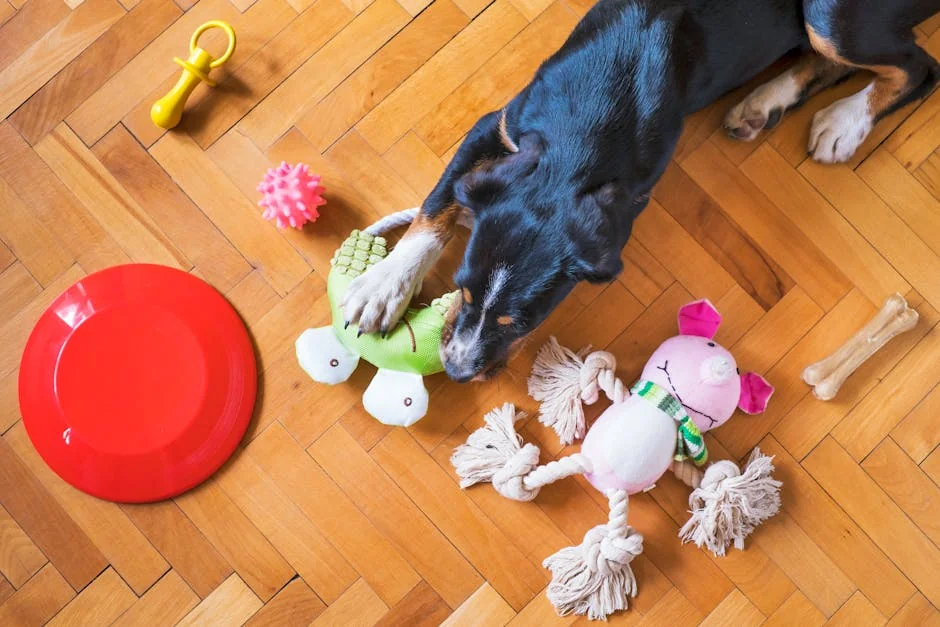
The material is the single most important factor in durability. Avoid plush, vinyl, and latex entirely. Instead, focus on these three verified materials to ensure longevity.
Dense Natural Rubber
For most power chewers, dense natural rubber is the gold standard. It is durable enough to withstand high compression but flexible enough to prevent tooth fractures.
Look for black rubber variants, as many manufacturers use color coding to denote density, with black usually representing the toughest compound. This material usually holds up well against both crunchers and shredders because it often lacks edges they can grip.
Hard Nylon
Nylon toys are solid, plastic-like chews designed for dogs who like to scrape their teeth against hard surfaces. These are excellent for durability, but they come with a caveat. If the nylon is too hard, it can cause slab fractures in your dog’s teeth.
When choosing a nylon toy, monitor the wear patterns. As your dog chews, the plastic will roughen and raise small bristles. These bristles can actually help clean teeth, but once sharp edges or large chunks form, the toy must be sanded down or discarded.
Thick Rope
Rope toys specifically designed for power chewers can be durable, but they serve a different purpose. They are best for interactive play (tug-of-war) rather than solo chewing sessions.
If you leave a heavy chewer alone with a rope toy, they will eventually fray the strands. Ingesting long strands of cotton can cause linear foreign body obstructions in the intestine, which is a life-threatening emergency. Use rope for play, then put it away.
Selecting the Right Shapes and Sizes

A durable material is useless if the shape of the toy gives your dog an advantage. The best dog toys for heavy chewers feature designs that prevent the dog from getting maximum leverage.
Spheres and Rounded Shapes
Round toys are the hardest for a dog to destroy because they cannot get a firm grip with their back molars. A solid rubber ball is superior to a bone shape because the dog’s jaw constantly slides off the surface, preventing them from focusing pressure on a single point.
Hollowable Rubber Toys
Toys that can be stuffed with peanut butter or kibble are excellent for heavy chewers. The structural integrity of a hollow, beehive-shaped rubber toy is often surprisingly high because it compresses rather than cracks.
By freezing the food inside the toy, you extend the play session. Mental stimulation tires a dog out faster than physical chewing, reducing the intensity of their destruction over time.
Solid Rings
A thick rubber ring is difficult to destroy because it has no ends. Dogs typically destroy “bone” shapes by gnawing on the knobs at the ends. A ring eliminates this weak point, forcing the dog to chew on the continuous curve, which distributes the force more evenly.
The Importance of the “Thumbnail Test”

While you want a tough toy, you must balance durability with dental safety. Veterinary dentists often warn against items that are harder than the dog’s tooth enamel.
To check if a toy is safe, press your thumbnail into the surface.
- If it has no give at all: It is likely too hard and could fracture your dog’s teeth. This includes antlers, hooves, and extremely hard plastics.
- If it gives slightly: This provides shock absorption when your dog bites down, protecting the tooth while withstanding the pressure. This is the sweet spot for safety and durability.
Toys You Should Avoid Automatically
To save your budget and your dog’s health, keep these items out of your cart:
- Tennis Balls: The felt is abrasive and will wear down tooth enamel like sandpaper. Furthermore, the gas pressure inside allows power chewers to pop and swallow them easily.
- Squeaker Toys: The squeaker is a target. A driven dog will not stop until they have surgically removed and potentially swallowed the plastic device.
- Fleece and Plush: Even those utilizing “Chew Guard” technology are generally no match for a true power chewer. They are shredded in minutes.
Inspection and replacement

No toy is truly indestructible. It is your responsibility to inspect your dog’s toys daily. If a rubber toy begins to crack, or if a nylon toy develops sharp, jagged edges that could cut gums, replace it immediately.
By focusing on dense rubber, safe shapes, and proper materials, you turn chewing from a destructive habit into a healthy, stimulating activity.