
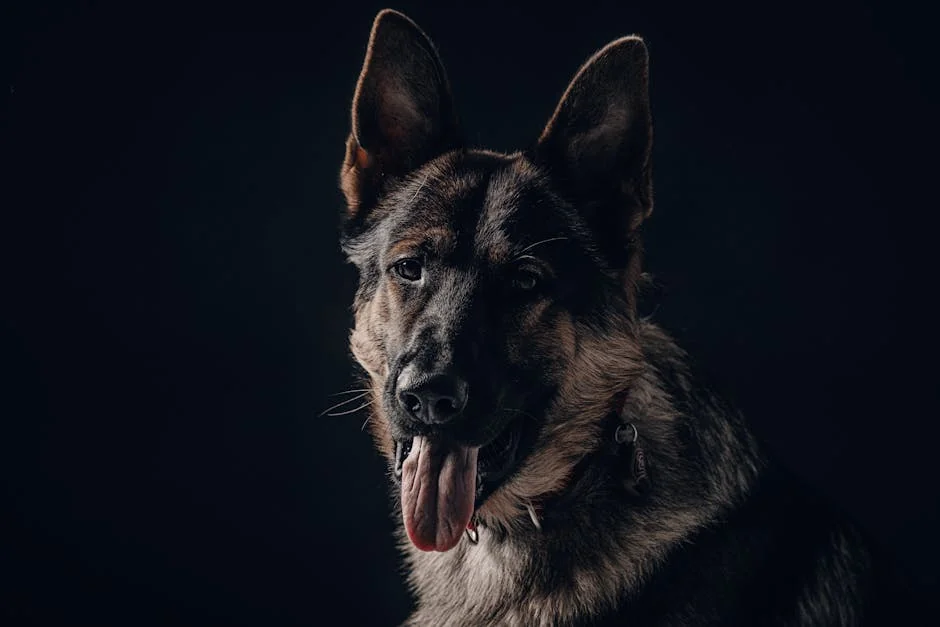
When your dog locks eyes with you, they aren’t just zoning out or acting strictly on instinct; they are actively attempting to communicate across species lines. By understanding the context of the stare and the accompanying body language, you can decipher whether your dog is asking for dinner, expressing affection, or signaling a potential problem.
They Are Communicating a Need
The most common reason for a focused stare is simply that your dog wants something from you. Over thousands of years of domestication, dogs have learned that humans are the source of all resources. You control the food, the door to the outside, and the toy box.
If your dog stares at you intently while sitting near their bowl, the back door, or their leash, they are using the stare as a request. This is often a learned behavior. If you have previously responded to a stare by giving them a treat or taking them for a walk, the dog understands that eye contact functions as a button they can press to get a result.
How to Manage Demand Staring
If the staring becomes intrusive, evaluate whether you receive it immediately before you provide a reward. To curb this behavior, simply ignore the stare. Wait until your dog looks away or settles down before offering the food or opening the door. This teaches them that calm behavior, rather than intense staring, yields the reward.
The Look of Love
Not all staring is transactional. If your dog stares at you while you are relaxing on the couch or petting them, they are likely expressing affection.
Research on canine cognition has shown that mutual gazing between dogs and their owners releases oxytocin in both parties. Oxytocin is the same “love hormone” responsible for bonding between human mothers and infants. When your dog looks at you with a relaxed posture and soft eyes, they are strengthening the emotional bond between you.
Signs of an affectionate stare include:
- Soft eyes: The eyelids are relaxed, and the dog blinks naturally.
- Relaxed ears: Ears are in a neutral or slightly pinned-back position (depending on the breed), not perked rigidly forward.
- Loose body language: The tail may wag slowly, and the body lacks tension.
They Are Waiting for Instructions
Your dog views you as the leader of their social structure. Consequently, they spend a significant amount of time observing you to anticipate what will happen next.
If you are moving around the house, putting on shoes, or grabbing your keys, your dog stares to pick up on subtle cues. They are looking for patterns that indicate a walk, a car ride, or your departure. This type of staring is a sign of high intelligence and engagement. Your dog is analyzing your micro-movements to determine if they need to prepare for an activity.
This is particularly common during training. A well-trained dog will stare at your face waiting for a command or a hand signal. It indicates readiness and focus.
Identifying Aggression: The Hard Stare
It is vital to distinguish between a benign stare and a threatening one. In the animal kingdom, prolonged, unblinking eye contact is often an act of dominance or aggression.
If a dog freezes and stares at you without blinking, this is known as a “hard stare.” This is a major warning sign. It often happens when a dog is guarding a resource, such as a bone, a toy, or a specific spot on the furniture.
Recognizing the Warning Signs
You must immediately stop what you are doing if you see:
- Stiff posture: The dog becomes rigid and motionless.
- Unblinking eyes: The gaze is fixed and cold.
- Whale eye: You can see the whites of their eyes (sclera) as they look at you while keeping their head turned slightly away.
- Closed mouth: The dog closes their mouth and may hold their breath or breathe shallowly.
If you encounter a hard stare, do not stare back. Avert your gaze, move slowly, and back away. Looking away signals that you are not a threat and can de-escalate the tension.
Cognitive Issues in Senior Dogs
If you have an older dog, staring can sometimes be a symptom of a medical issue rather than a behavioral one. Canine Cognitive Dysfunction (CCD), similar to dementia in humans, affects many senior dogs.
A dog with CCD may stare blankly at you, at walls, or into space. They may appear disoriented, get stuck in corners, or forget familiar routines.
When to see a vet: If your senior dog’s staring is accompanied by pacing, anxiety, changes in sleep cycles (waking up at night), or accidents in the house, consult your veterinarian. While CCD cannot be cured, diet changes and medication can help manage the symptoms.
You Are Reinforcing the Behavior
Finally, consider your own reaction to the staring. Humans are naturally drawn to eye contact. When your dog stares at you, you likely talk to them, laugh, or pet them.
Even if you scold the dog, you are providing attention. For many dogs, negative attention is better than no attention at all. If you consistently interact with your dog whenever they stare, you are actively training them to continue the behavior.
If you enjoy the connection, there is no harm in it. However, if the staring feels excessive or bothersome, the most effective solution is to remove the reward. Break eye contact and ignore the dog until they shift their focus elsewhere.