
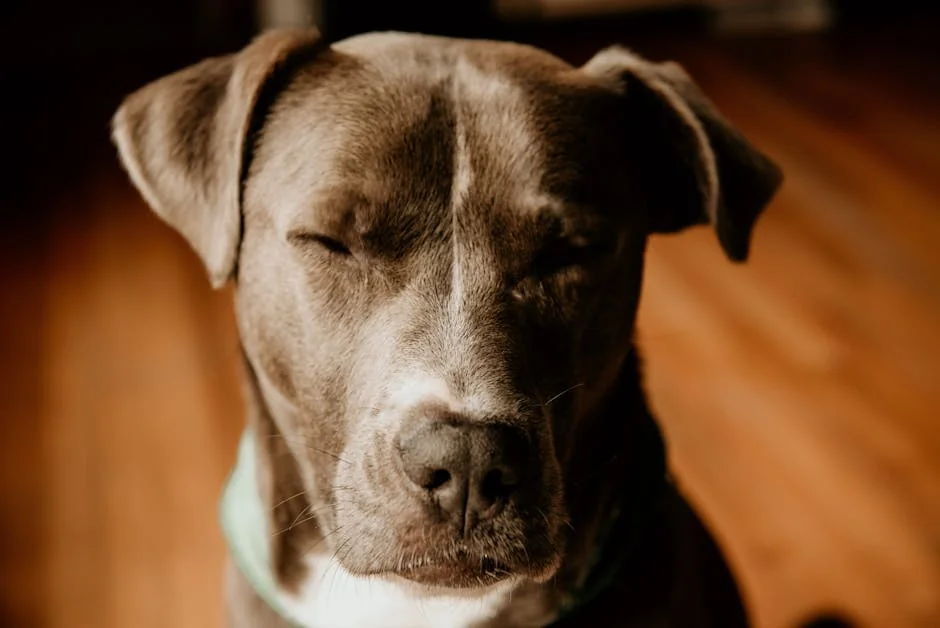
Building a deep, unbreakable bond with a dog takes time, patience, and mutual respect, but it isn’t always automatic. While overt signs like growling are obvious, subtle behaviors often reveal that your dog doesn’t fully feel safe or confident in your presence yet. By recognizing these quiet signals early, you can adjust your approach and build the foundation of trust your relationship needs.
They Constantly Monitor Your Movements
A dog that feels secure in their environment can relax even when you are moving around. If your dog tracks your every move with their eyes without lifting their head, or constantly wakes up and shifts position whenever you stand up, they may be hyper-vigilant.
This “watchful waiting” suggests they are unsure of your intentions. Instead of settling into a deep sleep, they are keeping tabs on you to ensure they can react quickly if something unpredictable happens. A trusting dog will often remain asleep or simply open one eye lazily when you walk closely by them.
The “Look Away” and Whale Eye
Eye contact is a complex signal in the canine world. While a loving gaze releases oxytocin in bonded pairs, direct eye contact can be perceived as a threat or a challenge to a dog that doesn’t trust you.
Avoiding Your Gaze
If you try to look at your dog and they specifically turn their head away, yawn, or lick their lips, they are signaling discomfort. This is an appeasement gesture. They are trying to de-escalate what they feel is a tense social interaction. They aren’t ignoring you; they are politely asking for space.
Whale Eye
Keep an eye out for “whale eye,” or the half-moon eye. This happens when a dog turns their head slightly away but keeps their eyes fixed on you, revealing the whites (sclera) of their eyes. This often occurs during handling, hugging, or when you are looming over them. It is a clear indicator that the dog is anxious and worried about what you are going to do next.
They “Tolerate” Affection Rather Than Seek It
Many dog owners mistake a dog standing still for a dog that enjoys being petted. However, there is a distinct difference between enjoyment and tolerance.
If you are petting your dog and they stand completely still with a closed mouth and stiff body, they are merely tolerating the interaction. A dog that trusts you and enjoys the contact will lean into your hand, their muscles will feel soft, and their tail may wag loosely.
The Consent Test
To gauge trust, perform a simple consent test. Pet your dog for three seconds, then stop and pull your hand away.
- Trust/Enjoyment: The dog nudges you, moves closer, or looks at you with a soft expression to ask for more.
- Lack of Trust/Reluctance: The dog immediately shakes off (like they are wet), moves away, or looks relieved that the interaction is over.
Reluctance to Expose Vulnerable Areas
In the wild, a dog’s belly and throat are their most vulnerable points. Exposing them requires a profound level of comfort.
If your dog always sleeps curled in a tight ball, or wedges themselves into a corner or under furniture where their back is protected, they may be prioritizing self-preservation over comfort. While some dogs simply prefer curling up due to temperature, a refusal to ever sprawl out or sleep on their back in your presence can be a subtle sign of guardedness.
Similarly, if your dog stiffens or tucks their tail when you reach over their head or towards their hindquarters, they likely harbor a fear that you might hurt or mishandle them.
They hesitate at Thresholds
Does your dog freeze when walking through a doorway you are holding open? Do they hesitate to eat if you are standing near the food bowl?
Hesitation at “choke points” (doorways, hallways, near resources) indicates that the dog is unsure if it is safe to pass you. They may be worried about being blocked, stepped on, or corrected. A trusting dog will usually barge right through or happily trot past you without a second thought.
They Take Treats and Run
Food is a primary motivator, but safety is a survival instinct. If you offer your dog a high-value treat and they snatch it quickly and immediately retreat to a different room or their crate to eat it, they do not feel comfortable consuming resources near you.
While some dogs are naturally territorial with food, this specific “grab and bolt” behavior often stems from a fear that the resource might be taken away, or that staying close to you while their guard is down (during eating) is too risky.
How to Bridge the Gap
If you recognize these signs, do not take it personally. Trust is earned, not demanded. You can improve your bond by making a few conscious changes to your routine:
- Stop forcing interaction: If your dog turns away, let them. Respecting their boundaries tells them you are listening.
- Be predictable: Dogs thrive on routine. Try to keep your movements, voice volume, and schedule consistent so they know what to expect.
- Use side approaches: Avoid walking directly toward your dog or leaning over them. Approach from the side and crouch down to their level.
- Reward bravery: When your dog chooses to approach you on their own, reward them calmly with a treat or soft praise.
By reading these subtle signs and responding with patience, you transform from an unpredictable giant into a safe, trusted leader.