
Dogs communicate affection differently than humans, relying on subtle body language and behavioral cues rather than words. By learning to decode these signals, you can gain a deeper understanding of the unique bond you share with your canine companion and confirm that the feeling is mutual.
1. The “Soft” Stare

Eye contact is one of the most significant indicators of trust and affection in the animal kingdom. When your dog looks at you with relaxed eyelids and a soft gaze, their brain releases oxytocin. Often called the “love hormone,” this is the same chemical released when a human mother bonds with her baby.
This is distinctly different from a hard stare or a glare, which can signal aggression or dominance. If your dog seeks out your gaze comfortably while you are relaxing together, they are essentially “hugging” you with their eyes.
2. Leaning Against Your Legs
Has your dog ever walked up to you and pressed their full weight against your legs? While you might interpret this as them being in the way or asking to be moved, it is actually a gesture of reliance and affection.
In the wild, dogs lean against pack members they trust for physical and emotional support. By leaning on you, your dog is saying they feel safe in your presence and view you as a pillar of security. It is a way to physically encroach on your personal space to establish closeness.
3. Sleeping in Your Room (or Bed)
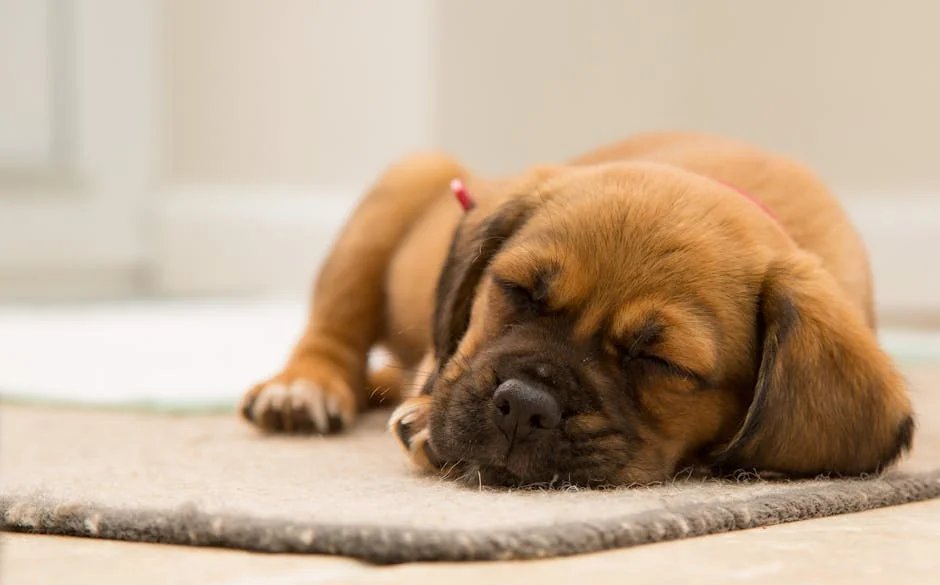
Dogs are naturally vulnerable when they sleep. In the wild, wolves and wild dogs sleep in packs to protect against predators. Where your dog chooses to sleep is the ultimate sign of where they feel safest.
If your dog insists on sleeping in your bedroom—whether on the bed next to you or in a designated spot on the floor—they are demonstrating that they consider you part of their pack. They trust you to protect them while they are unconscious, and conversely, they are positioning themselves to protect you.
4. The Enthusiastic Welcome
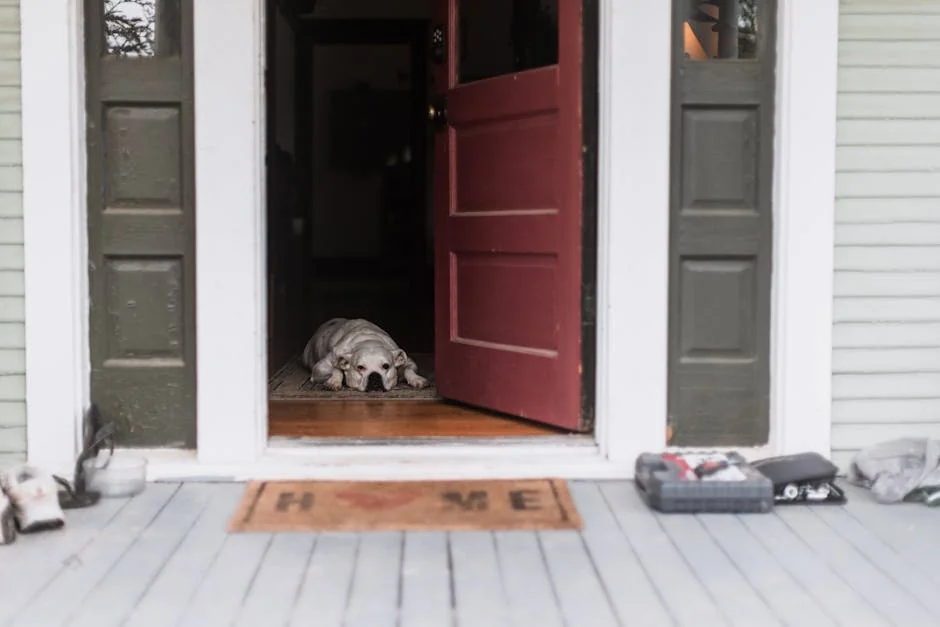
Few things are as clear as the greeting you receive when you walk through the front door. Whether you have been gone for five minutes or five hours, a dog who loves you will act as if your return is the highlight of their existence.
Look for the “full-body wiggle.” This goes beyond a simple tail wag; it often involves the hips shaking, the tail spinning in a circle (often called a “helicopter tail”), and varied vocalizations like excited whines. This response indicates a release of dopamine and highlights the strong emotional attachment your pet has to you.
5. Seeking You Out for Comfort

Observe how your dog reacts when they are frightened or anxious. If there is a thunderstorm, fireworks, or a chaotic environment, do they run and hide in a closet, or do they run directly to you?
If your dog seeks you out when they are stressed, it means you are their “safe base.” They associate your scent and presence with protection and relief. This behavior proves that they trust you to handle threats and comfort them during high-stress situations.
6. Checking In During Walks
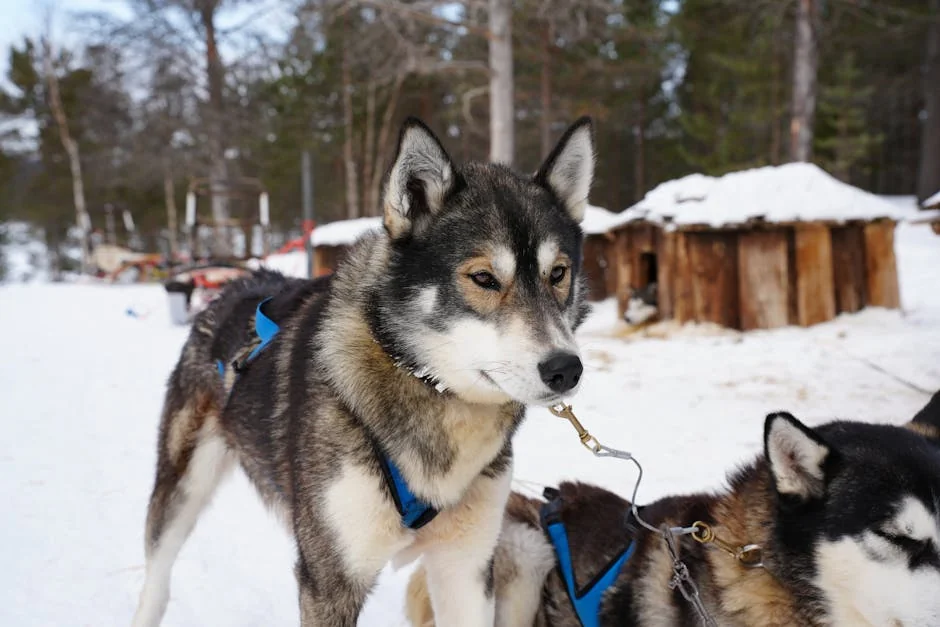
When you take your dog off-leash in a park or go for a long hike, pay attention to their focus. An independent dog might run off and ignore you, but a bonded dog will frequently “check in.”
This usually manifests as your dog running ahead, stopping, and looking back to ensure you are still coming. They may also circle back to you periodically before running off again. This signifies that even when exploring an exciting environment, keeping track of your location remains a priority for them.
7. Carrying Toys to You
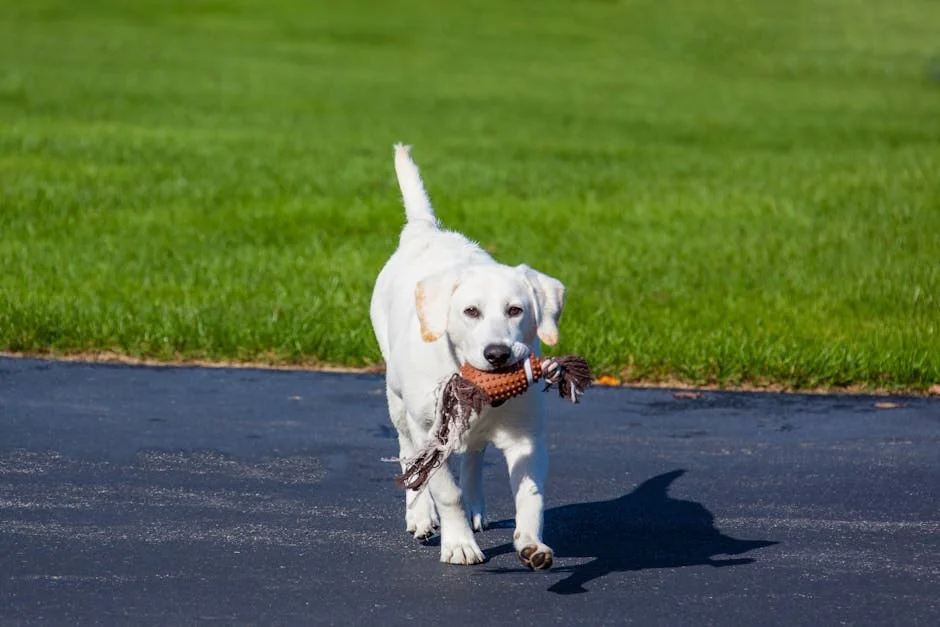
When your dog trots over and drops a slobbery toy in your lap, they are likely asking for playtime, but there is often a deeper meaning. In canine psychology, sharing resources is reserved for highly valued pack members.
By offering you their favorite possession, they are sharing their “wealth” with you. Additionally, if they bring a toy but don’t necessarily want you to throw it—perhaps just nudging it against your hand—they are trying to engage you in a shared activity to strengthen your bond.
8. Stealing Your Clothes and Shoes
It can be frustrating to find your socks or favorite t-shirt in your dog’s bed, but this is rarely an act of rebellion. Dogs experience the world primarily through scent, and your worn clothes smell strongly of you.
When you are away, or even when you are in the other room, a dog may steal your items to keep your scent close. It acts as a security blanket. Chewing destroys the item, which can be a sign of separation anxiety, but simply carrying it around or sleeping on top of it is a pure sign of love.
9. Exposing the Belly
The belly is the most vulnerable part of a dog’s anatomy. It houses their vital organs and is defenseless during an attack. When a dog rolls over and exposes their stomach to you, they are signaling complete submission and absolute trust.
They are communicating that they know you will not hurt them. While some dogs do this simply because they enjoy a belly rub, the act of assuming the position itself is a deep display of faith in your benevolence.
10. Following You Everywhere (The “Velcro” Dog)
If your dog shadows you from the living room to the kitchen and waits outside the bathroom door, they are exhibiting pack behavior. They are ensuring they are not left behind and want to be involved in whatever activity the “pack leader” is doing.
While this can sometimes signal insecurity, in a well-adjusted dog, it is simply companionship. They enjoy your company more than solitude. Being near you releases feel-good hormones in their brain, making your proximity the most rewarding place for them to be.
Reciprocating the Love
Recognizing these signs is the first step; reciprocating them strengthens the bond. You don’t need to wag a tail to show you care. Engaging in play, maintaining a predictable routine, offering gentle physical touch, and simply spending quality time together tells your dog that the love they are showing you is fully returned.