
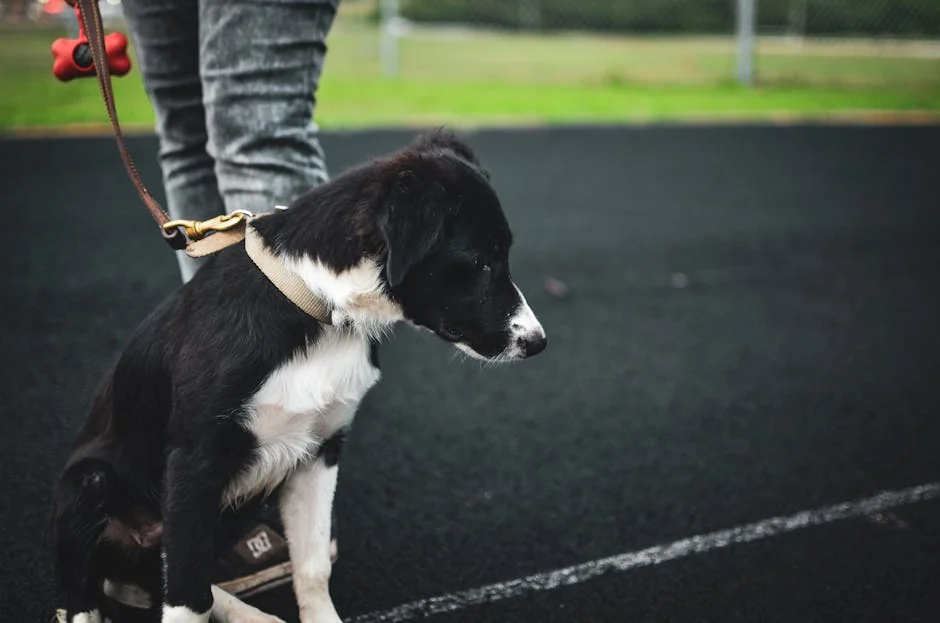
Training a new puppy often feels like a race against time, but success comes from consistency rather than speed. This timeline breaks down exactly what you should focus on at each developmental stage, helping you build a well-behaved dog without feeling overwhelmed.
8 to 12 Weeks: Values and Transitions
When you first bring your puppy home, your primary goal is building trust and establishing a routine. Do not worry about complex tricks yet. At this stage, your puppy has a short attention span and is learning how to live in a human world.
Potty Training Basics
Housebreaking starts the moment you walk through the door. You need a strict schedule. Take your puppy outside immediately after they wake up, eat, drink, or play. Reward them heavily with treats and praise the second they finish their business outdoors.
Name Recognition
Your puppy needs to know that their name means “look at me.” Say their name in a happy tone. When they look at you, mark the moment with a “Yes!” or a clicker, and give them a treat. Repeat this frequently throughout the day until they whip their head around whenever they hear their name.
Crate Training and Independence
Introduce the crate as a positive, safe space, not a punishment. Feed meals inside the crate with the door open. Gradually close the door for short periods while you are arguably nearby. This prevents separation anxiety later and keeps your home safe when you cannot supervise them.
Socialization
This is the most critical window for socialization. It does not mean letting your puppy meet every dog at the park; in fact, you want to avoid high-traffic dog areas until fully vaccinated. Instead, focus on exposure to:
- Different surfaces (grass, concrete, wood, tile)
- Various sounds (vacuum cleaners, doorbells, traffic)
- Different types of people (hats, sunglasses, uniforms, children)
3 to 6 Months: Basic Obedience and Teething
Your puppy is now more settled and capable of learning structured commands. However, they will also begin teething, which can lead to increased chewing and nipping.
The “Big Three” Commands
Focus your formal training sessions on three core skills:
- Sit: Learn to sit for everything—food, opening doors, and putting on the leash.
- Down: This helps settle a high-energy puppy.
- Come (Recall): Start practicing this indoors or in a fenced yard with high-value treats. Never use the “come” command to punish them or do something unpleasant (like a bath), or they will stop responding.
Bite Inhibition
Your puppy will likely turn into a “land shark” during teething. When they nip you, immediately stop playing. Make your hands boring and limp. If you pull away quickly/squeal, they may think it is a game. Redirect their biting to appropriate chew toys.
Loose Leash Walking
Start teaching your puppy that tension on the leash usually stops the walk. If they pull, stop moving. Wait for them to look back at you or create slack in the leash before moving forward again. This requires patience, but preventing pulling now is easier than fixing it later.
6 to 12 Months: Adolescence and Proofing
This period is often called the “teenage phase.” Your puppy may suddenly seem to forget everything they learned. Their brain is restructuring, and they are testing boundaries.
Review and Reinforce
Do not panic if your dog regresses. Go back to basics. If they stop listening to “Sit,” go back to using a lure and rewarding heavily until they listen again. Consistency is your only way through adolescence.
Impulse Control
This is the best time to teach “Leave It” and “Stay.” A dog that can control their impulses is a safe dog.
- Leave It: Vital for preventing them from eating dangerous items on walks.
- Wait: Teach them to wait at open doors or before diving into their food bowl.
Proofing Behaviors
“Proofing” means practicing commands in different environments with varying levels of distraction. A dog that sits in the kitchen might not sit at the park. unexpected noises. Practice your commands in the driveway, at the park, or outside a pet store. You are teaching them that “Sit” means sit, regardless of what is happening around them.
1 Year and Beyond: Advanced Maintenance
By one year, most dogs are physically mature, though some large breeds are still mentally puppy-like. Now, you shift from teaching new behaviors to maintaining good habits.
Fading Lures
You should rely less on food lures (holding the treat in front of their nose to guide them) and more on intermittent rewards. You want your dog to obey because they understand the command, not just because they see a treat. Continue to reward them randomly to keep their motivation high.
Advanced Activities
Now that your dog’s joints are more developed, you can look into more physically demanding activities. This is a great time to explore:
- Agility training
- Long-distance running or hiking partners
- Advanced trick training
Golden Rules for Sticking to the Timeline
To actually follow this schedule, you must integrate training into your lifestyle.
Keep sessions short. Puppies cannot focus for an hour. Train for 5 to 10 minutes, three times a day.
Train during daily life. Ask for a “Sit” before you put the food bowl down. Ask for a “Wait” before you open the back door. Use commercial breaks during TV shows to practice “Down.”
Be patient. Development is not linear. Some weeks your puppy will be a genius; other weeks they will chew your favorite shoes. Stick to the plan, remain calm, and remember that the effort you put in during the first year pays off for the next fifteen.