

Bringing a new puppy home is one of the most exciting life changes you will experience, but it requires significant logistical preparation. This checklist cuts through the noise to provide you with exactly what you need to buy, prepare, and organize before your new dog arrives, ensuring a smooth transition for both of you.
Essential Daily Gear
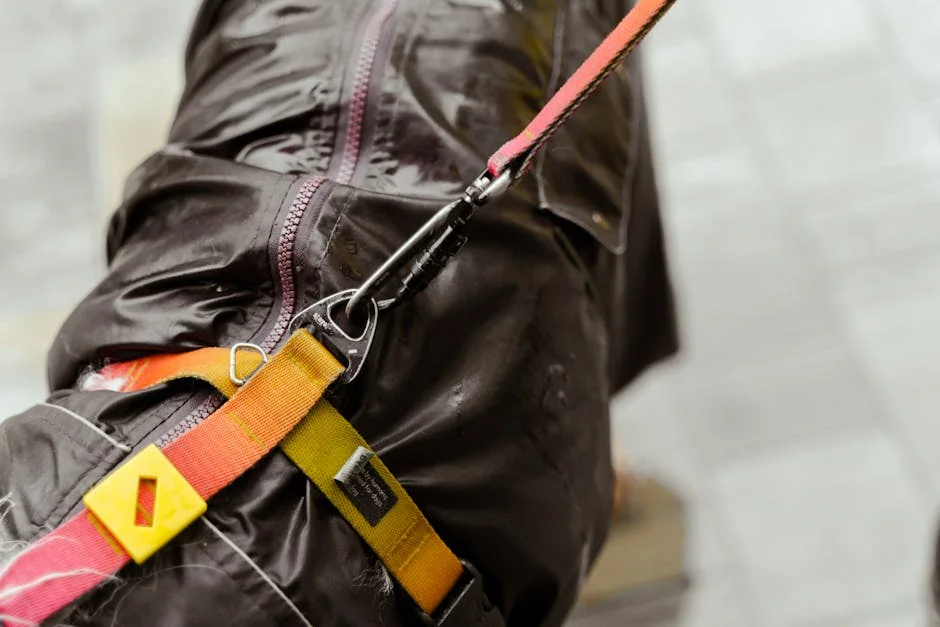
You need a foundation of supplies immediately upon arrival. Focus on durability and safety over aesthetics.
Food and Water Systems
Do not guess what food to buy. Contact the breeder or shelter beforehand to find out exactly what brand and formula the puppy is currently eating. Sudden diet changes cause severe stomach upset. Buy a bag of their current food for the first two weeks, then transition slowly to your preferred brand if desired.
For bowls, avoid plastic. Plastic develops micro-scratches that harbor bacteria and can cause “puppy acne” on the chin. Opt for:
- Stainless steel or ceramic bowls: These are hygienic and dishwasher safe.
- A silicone mat: This prevents bowls from sliding and catches inevitable spills.
Walking Equipment
Your puppy may not be ready for long walks yet, but you need to establish safety and identity immediately.
- Flat collar: This creates a place for ID tags. It should be snug but allow two fingers to fit underneath.
- ID Tags: Order these before pickup. Include the puppy’s name and your phone number.
- Fixed-length leash: Get a standard 4-to-6-foot nylon or leather leash. Do not buy a retractable leash for a puppy; they teach the dog to pull and offer zero control during training.
- Harness: A harness is often better for walking than a collar, as it protects the puppy’s delicate neck and trachea from injury if they lunge.
Containment and Sleeping Arrangements
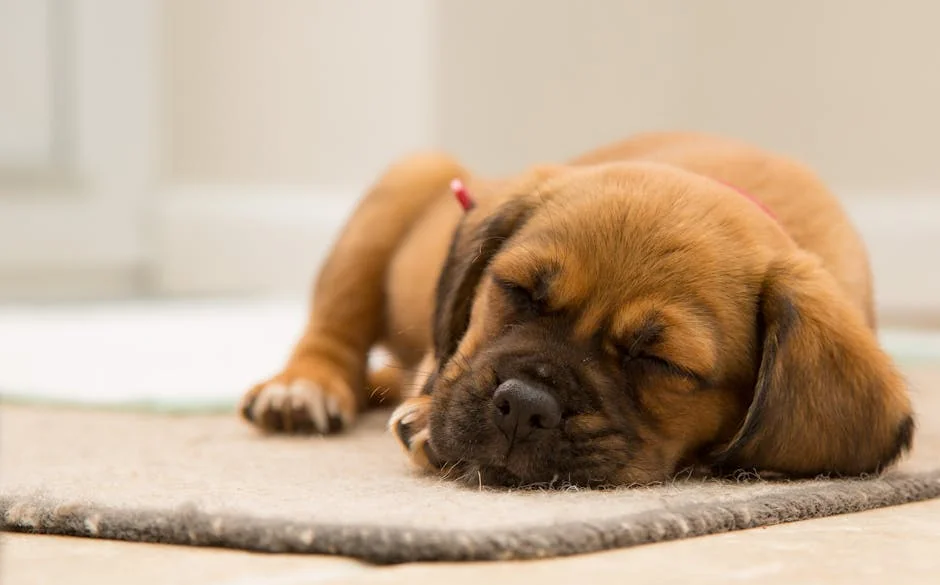
Puppies require constant supervision. When you cannot watch them, they need a safe, designated space to prevent accidents and destructive chewing.
Crate Setup
Crate training is the most effective tool for housebreaking. Buy a wire crate or travel carrier that will fit your dog’s adult size, but ensure it comes with a divider panel.
You must use the divider to shrink the interior space so the puppy has only enough room to stand up, turn around, and lie down. If you give them too much room, they will sleep in one corner and use the other corner as a bathroom, ruining your potty training efforts.
Bedding Strategy
Resist the urge to buy expensive orthopaedic beds right now. Puppies often chew bedding or have accidents on it.
- Crate pad: Use a thin, washable crate mat or old towels for the first few months.
- Soft blankets: Have a few cheap fleece blankets on hand to make the space cozy.
Management Gates
You cannot give a puppy free rein of the house. Use baby gates or an exercise pen (x-pen) to block off carpeted rooms, stairs, or areas with electrical cords. Limit the puppy to a “puppy-proofed” zone (like the kitchen or living room) where cleanup is easy.
The Housebreaking Kit
Accidents will happen. Preparation determines whether an accident damages your floors permanently or is a minor inconvenience.
Enzymatic Cleaner
This is capable of saving your home. Do not use standard household cleaners or ammonia-based products on pet urine. Ordinary cleaners mask the smell to human noses but leave the pheromones behind for the dog. An enzymatic cleaner breaks down the proteins in the urine, completely removing the scent so the puppy is not triggered to mark the same spot again.
Cleanup Supplies
- Poop bags: Buy in bulk. Keep a roll on the leash, in your car, and by the back door.
- Puppy pads (Use with caution): Only use pads if you live in a high-rise apartment or cannot get outside quickly. If you have a yard, skip the pads and train the dog to go outside immediately to avoid confusion.
Health and Grooming Basics
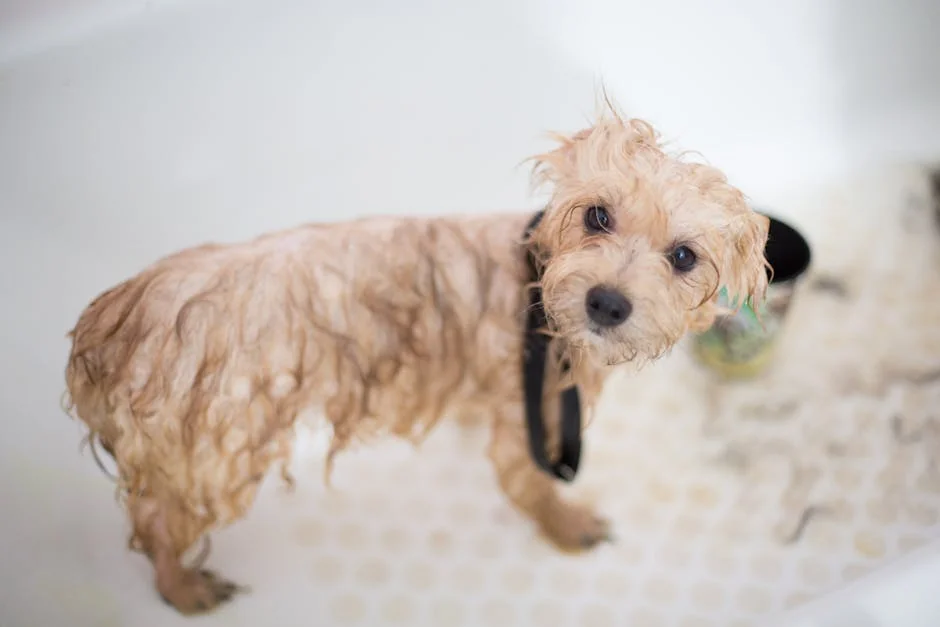
Getting your puppy comfortable with being handled is essential for their long-term health.
Grooming Tools
- Nail clippers: Puppy nails are sharp. Buy scissor-style clippers and trim the very tips weekly to desensitize them to the process.
- Styptic powder: Keep this on hand to stop bleeding instantly if you accidentally trim a nail too short.
- Puppy shampoo: Human shampoo disturbs the acid mantle of a dog’s skin. Use a tear-free formula specifically for dogs.
- Soft brush: Even short-haired dogs need brushing to remove dead coat and stimulate skin oils.
Veterinarian Preparation
Don’t wait until the puppy is sick to find a vet.
- Book the “Wellness Check”: Schedule an appointment for within 72 hours of bringing the puppy home. This is often required by improved breeder contracts.
- Flea and Tick prevention: Ask your vet for the appropriate monthly preventative for your puppy’s age and weight.
Puppy Proofing Your Home

Before the dog enters the house, you must look at your environment from their perspective. Get down on your hands and knees to spot hazards.
- Electrical cords: These are prime chewing targets. Use cord concealers or spiral cable wrap to hide wires behind the TV and computer.
- Chemicals: Lock away cleaning supplies, antifreeze, and medication.
- Houseplants: Many common plants (like lilies, philodendrons, and sago palms) are toxic to dogs. Move all plants to high shelves or research their toxicity.
- Small objects: Pick up coins, rubber bands, children’s toys, and socks. A swallowed sock can result in a life-threatening bowel obstruction.
Training and Enrichment
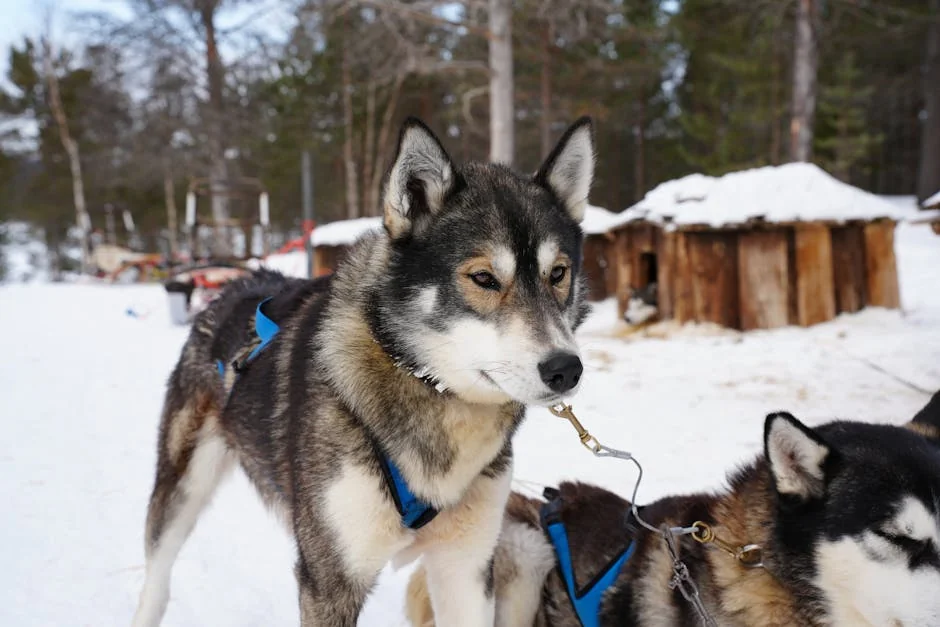
A bored puppy is a destructive puppy. You need to engage their brain to keep their teeth off your furniture.
Appropriate Toys
Variety is key to understanding what your puppy likes.
- Chew toys: Hard rubber toys (like Kongs) that can be stuffed with food are excellent for keeping a puppy occupied in their crate.
- Teething toys: Look for toys with ridges or those that can be frozen to soothe sore gums.
- Plush toys: Monitor these closely. If the puppy rips them open, remove the squeaker and stuffing immediately to prevent ingestion.
High-Value Treats
Kibble works for basic hunger, but for training effectively, you need something better. Buy small, soft training treats (liver or chicken based) that can be eaten quickly without crumbling. These are essential for rewarding potty success and teaching basic commands like “sit” and “come.”