
Bringing a new dog into your home is one of the most rewarding experiences you will ever have, but love alone isn’t enough to raise a well-adjusted animal. By understanding the common mistakes first time dog owners make, you can avoid behavioral nightmares and build a relationship based on trust, respect, and clear communication.
Inconsistency with Rules and Boundaries
The single most common error new owners make is a lack of consistency. Dogs thrive on routine and predictability. If you let your puppy jump on the couch on Friday because they look cute, but scold them for doing it on Monday because you’re wearing work clothes, you are confusing your dog.
Inconsistency creates anxiety. When a dog doesn’t understand the rules, they will test the boundaries to figure out what is actually allowed. sit down with everyone in your household before the dog arrives and agree on the rules.
Establishing the “No” List
Decide exactly what is off-limits. Will the dog be allowed in the bed? Are they allowed to beg at the table? Can they jump on guests? Once you decide, every family member must enforce these rules 100% of the time. If one person allows the behavior, the training will fail.
Misunderstanding Socialization
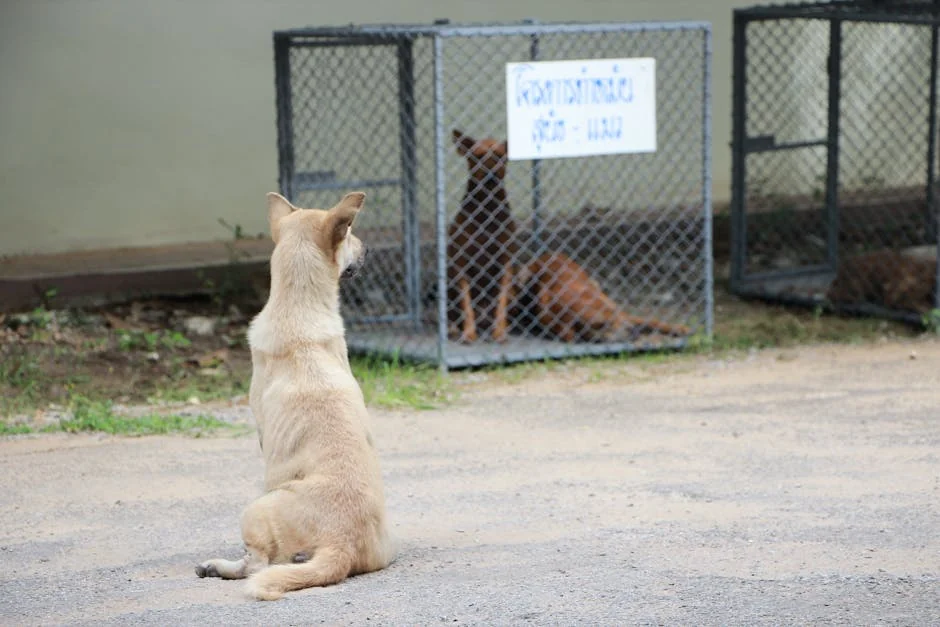
Many new owners believe socialization simply means letting their dog play with other dogs. This is a dangerous misconception that can lead to reactive behavior. True socialization is about exposing your dog to the world in a neutral, positive way so they learn not to fear new experiences.
The Critical Window
Puppies have a socialization window that typically closes around 16 weeks of age. During this time, you need to expose them to various surfaces, sounds, smells, and types of people (children, people wearing hats, people in uniforms).
Neutrality is the Goal
You do not want your dog to think every stranger or dog they see is a playmate. This leads to leash pulling and frustration. Instead, teach your dog to observe the world calmly. Walking past another dog without reacting is better social behavior than dragging you across the street to say hello.
Neglecting Mental Stimulation

You might think a two-mile run is enough to tire out your dog, but physical exercise is only half the equation. A physically fit dog with a bored mind is a destructive dog. Dogs are intelligent problem solvers; if you don’t give them a job, they will invent one, likely involving your furniture or shoes.
Incorporate brain games into your daily routine. Use puzzle feeders instead of food bowls, hide treats around the house for them to sniff out, or practice ten minutes of obedience training. 15 minutes of intense mental work can be as exhausting for a dog as an hour of running.
Reinforced Bad Behaviors
New owners often inadvertently reward the exact behaviors they are trying to stop. Dogs repeat behaviors that get them what they want, even if that “reward” is just attention.
The Jumping Problem
When a dog jumps on you, pushing them off or shouting “down” is often interpreted by the dog as a game. You are engaging with them. The most effective correction for jumping is often to cross your arms, turn your back, and become boring. You only give attention when four paws are on the floor.
Reacting to Barking
Yelling at a barking dog rarely works because the dog thinks you are barking along with them. Instead, you must identify the trigger and work on desensitization, rewarding the moments of silence rather than adding to the noise.
Skipping Crate Training
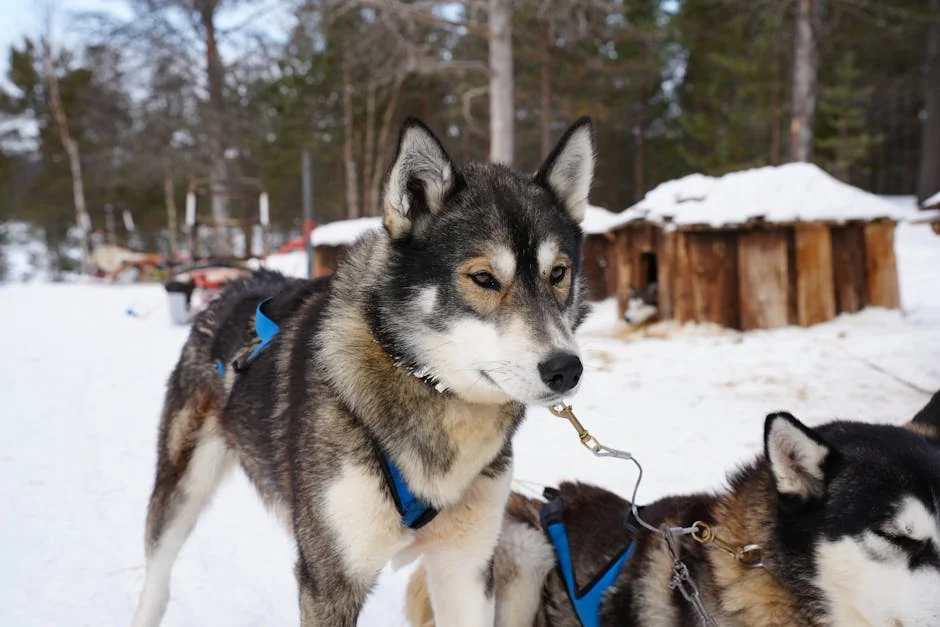
You may feel guilty locking your dog in a crate, viewing it as a jail. However, stumbling blocks with potty training and separation anxiety often stem from a lack of crate training. A crate appeals to a dog’s natural denning instinct. It provides a safe retreat where they can relax without the pressure of guarding the house.
If you allow a puppy free roam of the house too early, you set them up for failure. They will chew energized cords or have accidents solely because they weren’t supervised. Use the crate to manage their environment until they earn their freedom through reliable behavior.
Anthropomorphizing Your Dog

Projecting human emotions onto your dog is a major barrier to effective training, specifically regarding “guilt.” When you come home to a destroyed pillow and your dog is cowering with “sad eyes,” they do not feel guilty. They are reacting to your angry body language and tone. They are showing appeasement signals to calm you down.
Assuming your dog knows they did something wrong hours after the fact is a mistake. Dogs live in the moment. Unless you catch them in the act, they cannot connect the punishment with the crime. Punishing a dog for a past action only teaches them to fear your arrival.
Health and Nutrition Oversights
Taking care of a dog’s physical body goes beyond buying a bag of kibble. New owners often overlook preventative care until it becomes an emergency.
Free Feeding
Leaving food out all day (free feeding) makes it difficult to potty train because you cannot predict when your dog will need to go out. It also leads to obesity and causes your dog to lose food motivation, which is your most powerful training tool. Stick to scheduled mealtimes.
Waiting on Insurance
One of the most expensive mistakes first time dog owners make is waiting to get pet insurance. If your dog visits the vet for an upset stomach or a limp before you have a policy, that issue becomes a “pre-existing condition” and will never be covered. Secure insurance the day you bring your dog home.
Giving Up Too Soon

The “puppy blues” are real. There will be days when you feel overwhelmed, frustrated, and regretful. This does not mean you are a bad owner or that you have a bad dog. Training represents a marathon, not a sprint. Regression is normal; your dog might sit perfectly for a week and then seemingly forget the command entirely.
Patience is your greatest tool. By avoiding these common pitfalls and maintaining a consistent, fair, and structured environment, you will eventually raise the companion you always wanted.