
Building a strong bond with your canine companion goes beyond simple obedience or playtime. True trust is established when your dog views you as a source of security and comfort, signaling that they feel safe in your presence regardless of the environment.
By observing specific body language cues and behavioral patterns, you can accurately assess the depth of your connection and understand how your dog truly perceives you.
Sleeping Habits and Vulnerability
In the wild, sleeping is when an animal is most vulnerable to threats. Where and how your dog chooses to sleep is one of the strongest indicators of their trust level.
Sleeping Positions
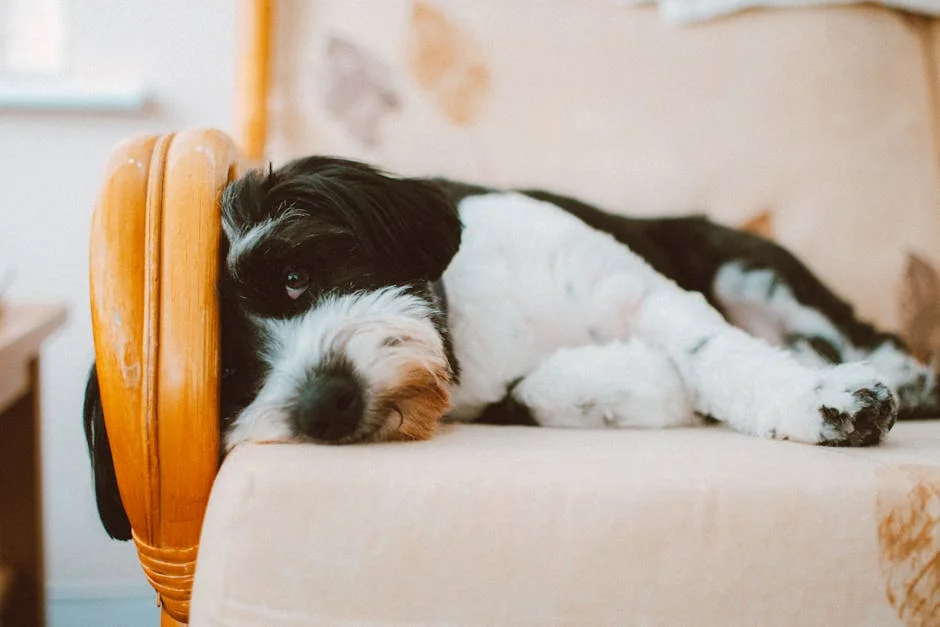
If your dog sleeps on their back with their paws in the air, exposing their belly and throat, this is the ultimate sign of security. These areas contain vital organs, and instinctively, a dog will protect them if they sense any danger. By exposing them, your dog is communicating that they feel 100% safe in your home and do not fear attack or harm. Similarly, sleeping on their side with legs extended indicates a deep state of relaxation that only occurs in a secure environment.
Proximity While Resting
A dog that chooses to sleep in your bedroom, or even physically touching you, is displaying pack behavior. They are seeking the safety of the pack leader. Even if you do not allow your dog on the furniture, sleeping at your feet or right next to your side of the bed shows they rely on your presence for protection during their most vulnerable hours.
Reading Facial Expressions and Eye Contact
Canine communication is subtle, but their facial expressions often reveal their internal emotional state regarding their owner.
The Soft Gaze
In the animal kingdom, direct and prolonged eye contact is often interpreted as a threat or a challenge. However, when a dog trusts you, eye contact becomes a bonding experience. If your dog looks at you with relaxed eyelids and a soft gaze, they are releasing oxytocin—the “love hormone”—which strengthens your emotional bond. This is often described as a “huge with their eyes.” If they shrink away or show the whites of their eyes (whale eye), they are stressed; if they hold a soft gaze, they feel safe.
Facial Relaxation
Observe your dog’s mouth and ears when you are interacting. A relaxed, slightly open mouth (often resembling a smile) and ears that are in a neutral or slightly back position indicate comfort. If the mouth is tightly closed or the brow is furrowed, the dog may be anxious. A dog that feels safe with you will generally carry a “loose” expression rather than a tense one.
Physical Interaction and Recall
How your dog interacts with you physically, especially when they don’t have to, tells you a lot about their comfort level.
The “Lean”
You may notice your dog leaning their full weight against your legs while you are standing or sitting. This brings them into your personal space and restricts their own movement, which they would not do if they felt the need to be ready to flee. Leaning is a hug in dog language. It signifies that they see you as a pillar of support, quite literally related to their physical and emotional stability.
Check-ins During Exploration
When you are on a walk or at a dog park, watch what your dog does when off-leash or on a long lead. A confident dog that trusts you will explore their environment but frequently “check in” by glancing back at you or returning to your side periodically. This behavior demonstrates that you are their secure base. They feel safe enough to explore because they know you are there, but they value your location enough to keep track of it.
Behavior During Stressful Situations
Trust is most evident when things go wrong. How your dog reacts to fear or uncertainty highlights whom they look to for leadership and safety.
Seeking You Out When Scared
When a loud thunderstorm rolls in, fireworks go off, or a stranger enters the home, observe where your dog goes. If their immediate reaction is to run behind your legs or jump into your lap, they are identifying you as their protector. While you should work to desensitize them to these fears, the fact that they run to you rather than hiding under a bed in isolation means they believe you can keep them safe.
Calmness During Your Departure
Paradoxically, a dog that feels truly safe with you is often calm when you leave the house. High levels of separation anxiety can stem from a fear of abandonment. A secure dog generally understands the routine: you leave, but you always return. If your dog can settle down shortly after you walk out the door, it indicates they have confidence in the bond and trust that their safety is not compromised just because you are temporarily out of sight.
Stealing Your Belongings
While often annoying, a dog that steals your shoes, socks, or laundry is usually not trying to be naughty. Dogs experience the world primarily through scent. Your clothing carries your pheromones and personal scent more strongly than anything else in the house.
By taking your shoe to their bed, they are trying to keep your scent close to them, which provides comfort. This behavior suggests they miss you or simply find your presence reassuring, utilizing your scent as a pacifier when you aren’t physically holding them.
Eating Habits
Eating is another vulnerable time for animals. A dog that is fearful or insecure will often refuse to eat, or they will take food and run to a hiding spot to consume it.
If your dog eats their meals calmly while you are in the room, it is a subtle sign of trust. It means they do not fear you will take their resources away, nor do they feel the need to guard their back while they have their head down in a bowl.
How to Maintain and Deepen This Safety
If you notice your dog exhibits these behaviors, you have successfully created a secure environment. To maintain this, you must be a consistent leader.
- Respect Boundaries: If your dog moves away or growls, respect that signal immediately. This teaches them that you listen to their communication, which increases safety.
- Predictability: Stick to a routine. Knowing when food, walks, and rest happen minimizes anxiety.
- Positive Reinforcement: Avoid harsh punishments that instill fear. Focus on rewarding good behavior to build confidence rather than submission.
By recognizing these signs, you can confirm that your dog sees you not just as a provider of food, but as their safety net in a chaotic world.