
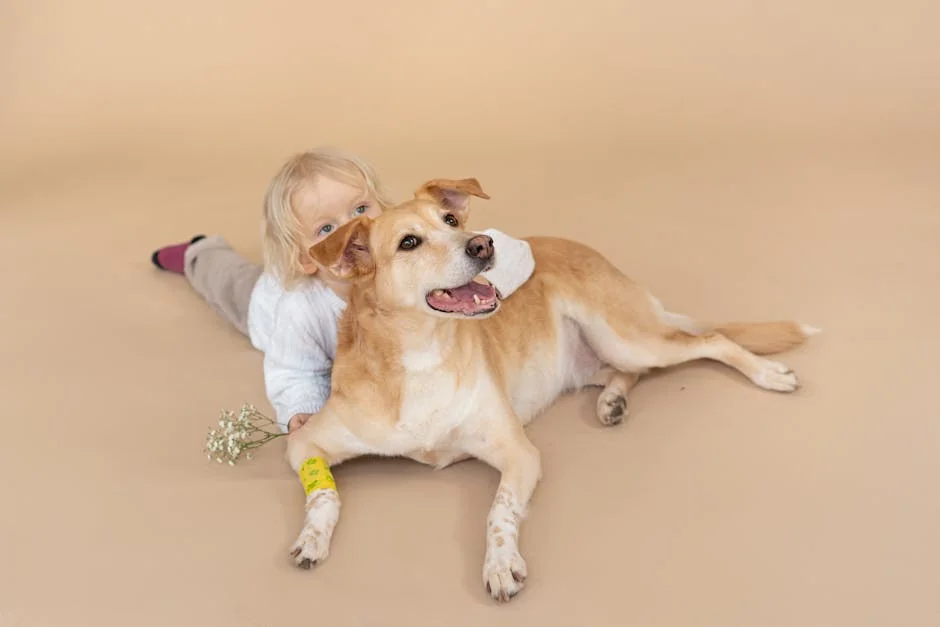
Developing an unbreakable bond with your dog transforms your relationship from simple ownership to a deep, mutual partnership defined by trust and intuitive communication. It requires more than just providing food and shelter; it demands intentional interaction, consistency, and a genuine understanding of canine psychology.
Master the Art of Canine Communication
Most miscommunication happens because humans speak a verbal language while dogs speak a physical one. To build a strong bond, you must advocate for your dog by understanding what they are trying to tell you.
Observe Subtle Body Language
Your dog is constantly communicating their emotional state. While a wagging tail is often interpreted as happiness, it can also signal arousal or nervousness depending on the height and speed of the wag. Learn to recognize “calming signals”—behaviors dogs use to diffuse stress or signal that they are not a threat.
Common calming signals include:
- Lip licking: When no food is present, this often means the dog is uncomfortable.
- Yawning: A yawn when the dog isn’t tired is a sign of stress release.
- Looking away: Turning the head avoids direct eye contact, which dogs use to de-escalate tension.
When you recognize these signs and adjust the environment to make your dog feel safe, your dog learns that you are a protector who understands them.
Be Consistent with Cues
Inconsistency breeds confusion, and confusion erodes trust. If “down” means “get off the couch” today but “lie down on the floor” tomorrow, your dog will hesitate to listen. Establish a clear vocabulary. Use the same word and the same hand signal for a specific action every single time. When your dog understands exactly what you want, their confidence in you grows.
Utilize Positive Reinforcement to Build Trust
Training is not just about obedience; it is the primary way you and your dog learn to work together. Using positive reinforcement ensures that your dog associates you with good things, rather than fear or intimidation.
Reward the Choice, Not Just the Action
True bonding occurs when your dog chooses to engage with you. Instead of luring your dog into every position, wait for them to offer a behavior and then reward it. This establishes a “thinking” relationship where the dog actively looks to you for guidance on how to earn rewards.
Hand-Feeding Your Meals
One of the fastest ways to strengthen your connection is to ditch the food bowl for a few weeks. Hand-feeding your dog their daily kibble creates a powerful association between you and their survival resources. Use their mealtime for short training sessions or simply feed them piece by piece to reinforce focus and gentle behavior. This creates a high value on your presence.
Engage in Purposeful Play
Play is biologically essential for dogs and mimics the social bonding behaviors of a pack. However, throwing a ball while looking at your phone does not build a bond. You must be an active participant.
Competitive Play (Tug-of-War)
Contrary to old myths, playing tug does not make a dog aggressive. When played with rules, it builds confidence and impulse control. It is a cooperative game where you and the dog are working together.
Follow these rules for bonding through tug:
- Start and Stop: You initiate the game, and you end it.
- Drop It: Teach your dog to release the toy on command.
- Low Intensity: Keep the toy low to the ground to mimic prey movement and prevent neck injury.
Decompression Walks
Standard walks often focus on exercise and strict heeling. To bond, incorporate “decompression walks” or “Sniffaris.” Put your dog on a long line (10–15 feet) and let them dictate the pace and direction (within safety limits). Letting your dog sniff satisfies their natural hunting and gathering instincts. By facilitating this natural behavior rather than suppressing it, you become the provider of their most enriching experiences.
Respect Boundaries and Consent
A bond is a two-way street. Just as you expect your dog to respect your space, you must respect theirs.
The 5-Second Consent Test
Many dogs tolerate petting but do not enjoy it. To know if your dog actually wants physical affection, use the consent test.
Pet your dog for five seconds, then stop and pull your hands away. Watch their reaction:
- If they lean in, paw at you, or nudge you: They are asking for more. You are bonding.
- If they shake off, look away, or move away: They need space.
Respecting their “no” is just as important as fulfilling their “yes.” When a dog learns that they have autonomy and you will listen to their polite requests for space, their trust in you deepens significantly.
Establish Routine and Predictability
Dogs thrive on routine because it signals safety. When a dog knows what to expect, their anxiety levels drop, allowing them to focus more on their relationship with you.
Create consistent rituals around high-value moments, such as departure, return, and bedtime. For example, a calm ritual before you leave the house helps prevent separation anxiety. By becoming a source of stability in a chaotic world, you solidify your role as your dog’s trusted leader and partner.