
Building a strong relationship with your canine companion goes beyond basic care and feeding; it requires mutual trust, clear communication, and positive shared experiences. By implementing specific strategies in your daily life, you can deepen the connection with your dog and create a partnership based on respect and affection.
Establish a Consistent Routine
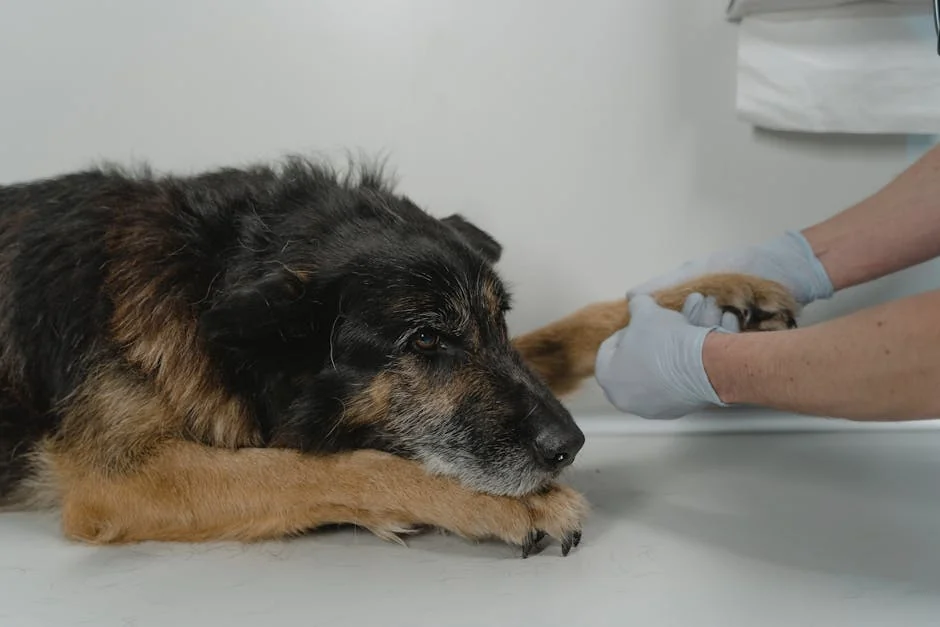
Dogs thrive on predictability. When a dog creates a mental map of their day, their anxiety levels drop, and their trust in you as their provider increases. By sticking to a schedule, you position yourself as the reliable source of all safety and resources.
Set specific times for meals, potty breaks, walks, and play. While flexibility is sometimes necessary, a consistent framework allows your dog to relax because they know their needs will be met. This psychological safety is the bedrock of bonding. When your dog doesn’t have to worry about when they will eat or go outside, they have more mental energy to focus on interacting with you.
Master the Art of Communication
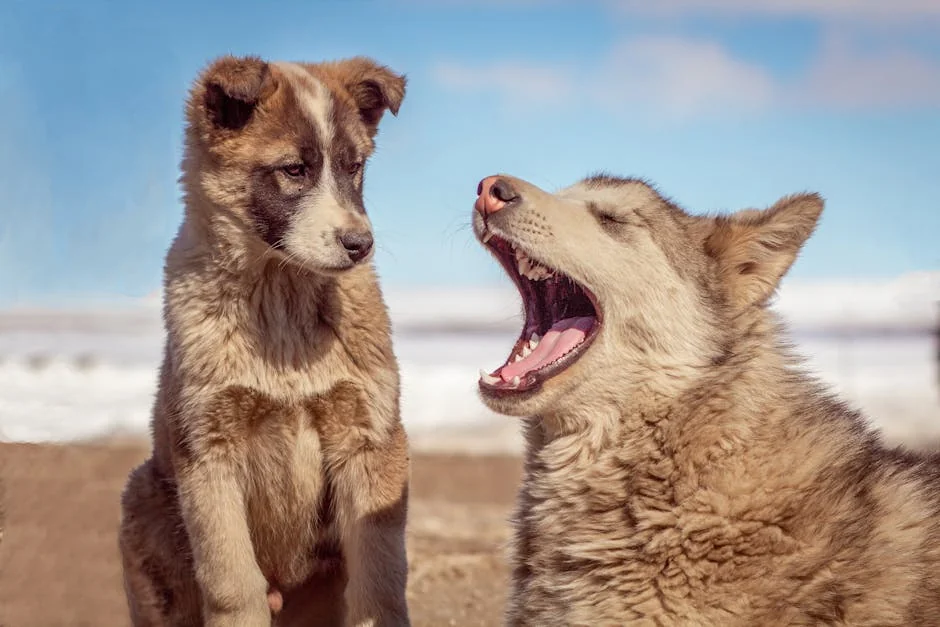
Bonding often stalls when there is a language barrier. You communicate primarily through words, while your dog communicates through body language and energy. To bridge this gap, you must become a student of canine behavior.
Learn Essential Body Language
Stop looking only at the tail. A wagging tail does not always mean happiness; it indicates arousal, which can range from joy to aggression. Pay attention to calming signals, which are small gestures dogs use to de-escalate stress or signal discomfort.
- Lip Licking: If your dog licks their lips when you hug them, they are likely uncomfortable.
- Looking Away: This is a polite way for a dog to ask for space.
- Yawning: In a non-sleep context, this usually indicates stress.
When you recognize these signals and respect them by backing off or changing the environment, your dog learns that you are safe and that you “listen” to them, which drastically improves your bond.
Utilize Positive Reinforcement Training
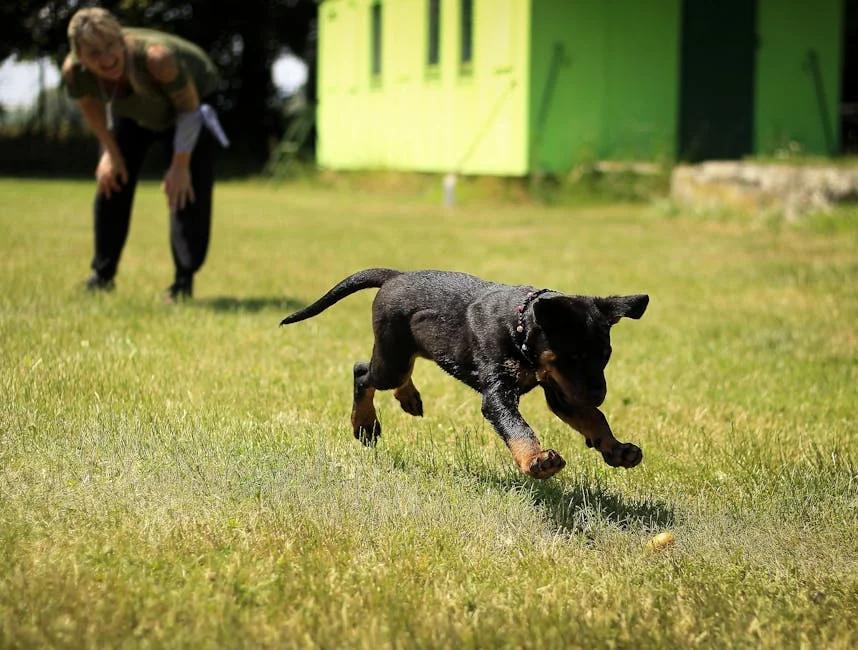
Training is not just about obedience; it is the primary way you build a common language with your animal. Avoid punishment-based methods, which rely on fear and can damage the relationship. Instead, focused on positive reinforcement to mark and reward the behaviors you want.
Treat training sessions as games rather than chores. Keep them short—five to ten minutes is plenty—and end on a high note. When your dog realizes that listening to you results in treats, praise, or play, they will look to you for guidance enthusiastically rather than reluctantly. This creates a “cooperative” dynamic rather than a “dictatorial” one.
Hand-Feeding for Focus
One of the fastest ways to bond with a new dog or a puppy is to ditch the food bowl. Use their daily kibble allotment as rewards for training throughout the day, or simply feed them by hand. This reinforces the concept that you are the direct provider of resources and teaches the dog to focus on you and your hands gently.
Engage in Active Play

Walking is great exercise, but it is often a parallel activity where you and the dog are focused on the environment rather than each other. Interactive play focuses the dog’s attention specifically on you.
Find what motivates your dog. For some, a game of tug-of-war is the ultimate bonding experience. It mimics the predatory sequence and allows for a high-energy outlet. Contrary to old myths, letting your dog win at tug does not make them dominant; it builds their confidence and makes them want to keep playing with you.
For calmer dogs, fast-paced trick training or nose work games (hiding treats around the room for them to find) can be mentally stimulating and highly rewarding. The goal is to participate with the dog, not just observe them.
Implement Decompression Walks

A “decompression walk” is different from a standard exercise walk. Instead of keeping the dog in a tight heel and marching for distance, you put the dog on a long line (10 to 15 feet) and allow them to lead the way and sniff as much as they want.
Sniffing is how dogs process information about the world. It lowers their pulse and releases dopamine. By facilitating these “Sniffaris,” you are taking part in their favorite hobby. You become the partner who drives them to the adventure, rather than the handler restricting their natural instincts.
Prioritize Physical Touch and Grooming

Physical contact releases oxytocin—the “love hormone”—in both humans and dogs. However, the type of touch matters. Many dogs tolerate hugs but do not enjoy them. meaningful touch should be mutually enjoyable.
Massage and Grooming
Turn grooming into a bonding session rather than a wrestling match. severe mats or nail trims might require a professional, but daily brushing can be a soothing ritual. Start with short sessions and high rewards.
You can also learn basic canine massage techniques. meaningful, slow strokes down the spine or circular motions on the shoulders can help a dog relax. If your dog leans into your hand or nudges you for more when you stop, you are successfully building intimacy.
Spend Quiet Time Together

Bonding does not always require activity. Simply existing in the same space is a powerful social cohesive for pack animals. This is often called “passive bonding.”
Allow your dog to be near you while you read, watch TV, or work. If they are allowed on the furniture, cuddling on the couch is excellent. If not, sitting on the floor with them for a few minutes a day creates a sense of belonging. The goal is to show your dog that they are a welcome part of your personal space and your daily life.