
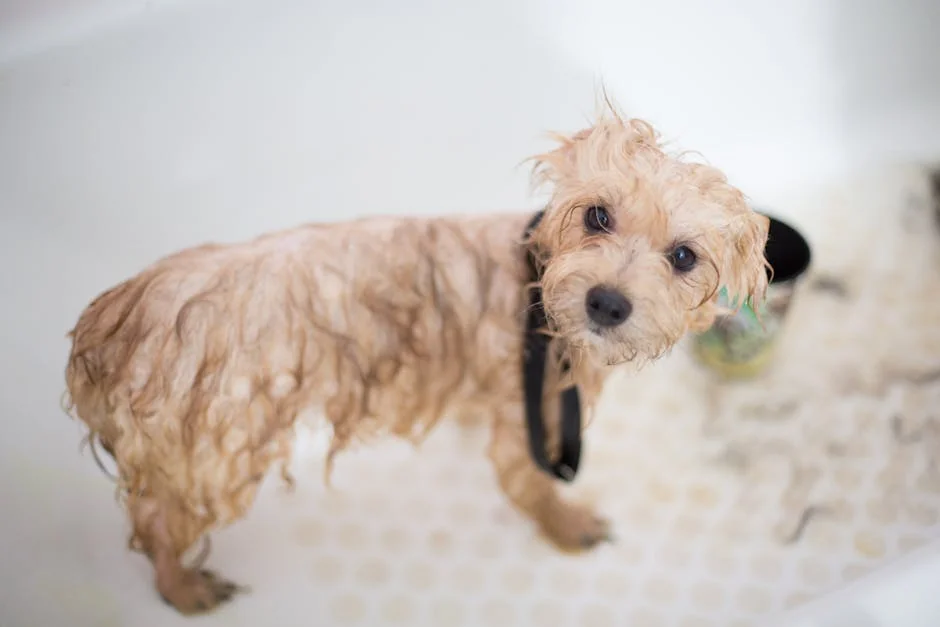
Determining the correct grooming schedule is essential for maintaining your dog’s health, comfort, and hygiene without drying out their skin or causing unnecessary stress. By understanding your dog’s specific coat type and lifestyle, you can establish a routine that keeps them clean and prevents painful issues like matting or overgrown nails.
The Coat Factor: Identifying Your Dog’s Needs
The primary factor dictating how often you groom your dog at home is their coat type. While every dog needs basic hygiene care, their brushing and bathing requirements vary drastically based on hair length and texture.
Short and Smooth Coats
If you own a Beagle, Boxer, or Doberman, your grooming load is relatively light. These dogs require brushing once a week to remove loose fur and distribute natural skin oils. You can use a rubber curry brush or a grooming mitt, which stimulates circulation while capturing dead hair. Because their fur doesn’t trap dirt easily, baths are only necessary every 6 to 8 weeks, or simply when they get muddy.
Long and Silky Coats
Breeds like Yorkshire Terriers, Shih Tzus, and Malteses have hair that grows continuously and acts much like human hair. You must brush these dogs daily. Even one or two missed days can lead to tangles behind the ears or under the armpits that quickly turn into painful mats. Bathing should occur more frequently, roughly every 3 to 4 weeks, to keep the hair manageable and free of debris.
Double Coats
Double-coated breeds, such as Golden Retrievers, German Shepherds, and Huskies, have a soft, insulating undercoat beneath a tougher top layer. You need to brush them 2 to 3 times a week to remove the shedding undercoat. During “blowing coat” seasons (typically spring and fall), daily brushing becomes necessary to manage the explosion of loose fur. Bathing should be done every 6 to 8 weeks; bathing too often can strip the oils that protect their weather-resistant topcoat.
Curly and Wire Coats
Poodles, Doodles, and Terriers fall into this category. Their fur traps shedding hair close to the skin, which forms mats rapidly if ignored. You should line-brush (brushing section by section to the skin) every other day. Bathing is recommended roughly every 4 to 6 weeks.
Establishing a Task-Based Schedule
Grooming isn’t just about the coat. A complete home grooming routine involves distinct schedules for different body parts. Breaking these tasks down helps you stay consistent.
Brushing Frequency
Frequency: Daily to Weekly Brushing is the bedrock of home grooming. As mentioned above, long hair requires daily attention, while short hair can withstand weekly sessions. However, you should view brushing as a health check. Use this time effectively to feel for new lumps, bumps, or pests like ticks that might be hiding near the skin.
Bathing Frequency
Frequency: Monthly to Quarterly Most dog owners bathe their dogs too often. Unless your veterinarian prescribes a medicated bath for a skin condition, or your dog has rolled in something foul, you generally only need to bathe your dog once a month.
Over-bathing strips natural oils, leading to dry, itchy skin and lackluster fur. Always use a dog-specific shampoo formulated for their pH balance—never human shampoo, which is too acidic for canine skin.
Nail Trimming
Frequency: Every 3 to 4 Weeks Long nails can change the way your dog walks, causing joint pain and skeletal issues over time. If you hear your dog’s nails clicking on the floor, they are too long.
For most dogs, trimming or grinding nails once a month is sufficient. If you walk your dog frequently on concrete or asphalt, the rough surface acts as a natural file, potentially extending the time between trims. However, the dewclaws (the thumbs) do not touch the ground and will always need manual trimming.
Ear Cleaning
Frequency: Weekly Ear infections are common, especially in floppy-eared breeds like Cocker Spaniels or Hounds. You should check your dog’s ears once a week. Look for redness, swelling, or a yeasty smell.
If the ears look dirty, use a veterinarian-approved ear cleaning solution and a cotton ball to wipe out the visible part of the ear canal. Never insert cotton swabs (Q-tips) deep into the ear canal, as this can pack wax further down or damage the eardrum.
Teeth Brushing
Frequency: Daily Dental disease is the most common health issue in adult dogs. Ideally, you should brush your dog’s teeth every day using enzymatic dog toothpaste. If daily brushing is unrealistic for your schedule, aim for at least three times a week to significantly reduce tartar buildup and gum inflammation.
Signs You Are Under-Grooming
Even with a schedule, you must watch for physical signs that your routine needs adjustment. If you notice the following, you need to increase your grooming frequency immediately:
- Matting: If you cannot run a metal comb through your dog’s fur smoothly, mats are forming. This restricts airflow to the skin and can trap moisture, leading to hot spots.
- Scooting: If your dog drags their rear across the floor, their anal glands may be full. While some groomers express these externally, this is often a medical issue best handled by a vet if it persists.
- Odor: A lingering “doggy smell” usually indicates yeast buildup on the skin or ears, often resulting from infrequent bathing or improper drying after a bath.
The Risks of Over-Grooming
While less common than neglect, doing too much can also harm your dog.
- Skin Irritation: Washing your dog weekly with harsh shampoos will compromise their skin barrier, leading to dandruff and incessant scratching.
- Brush Burn: Brushing too aggressively or using the wrong tool (like using a Furminator on a single-coated dog) can scratch the skin and cause redness.
- Stress: If you force grooming sessions that are too long or uncomfortable, your dog will develop a negative association with the process. Keep sessions short, positive, and reward-heavy.
By aligning your schedule with your dog’s coat type and monitoring their physical condition, you transform grooming from a chore into a vital component of preventative healthcare.