
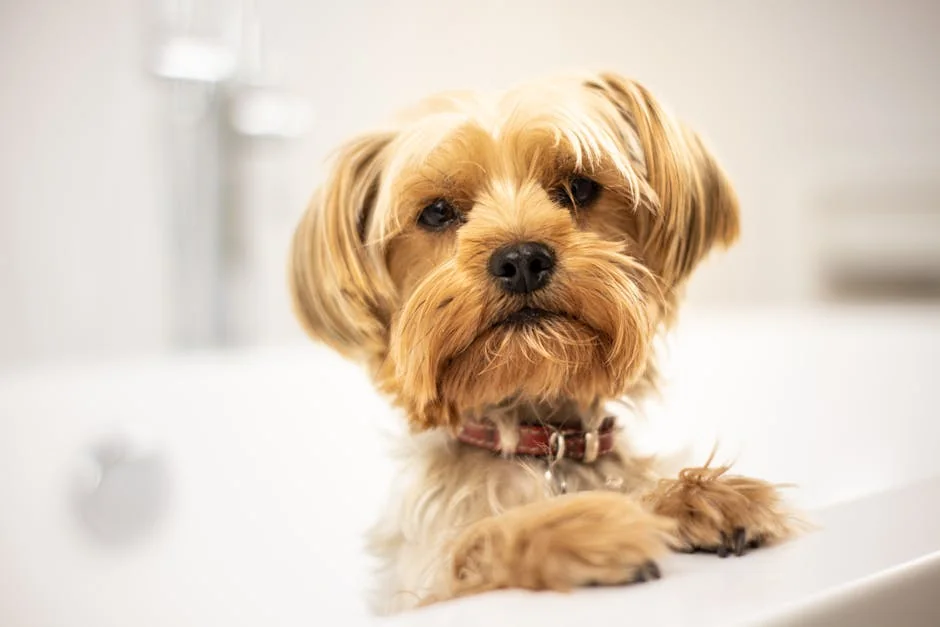
Determining the perfect bathing schedule for your dog requires balancing two competing priorities: keeping them clean enough to live in your home, and keeping their coat oily enough to stay healthy. While you might prefer a squeaky-clean pet, bathing too frequently can strip essential oils, leading to dry, itchy skin. Conversely, waiting too long can result in matted fur and bacterial infections.
Here is exactly how to determine the right frequency for your specific dog based on coat type, lifestyle, and health.
The General Rule of Thumb
For most healthy dogs with a moderate activity level, bathing once a month is the standard recommendation.
This frequency allows your dog’s skin to produce natural oils that protect hair shafts and maintain hydration without letting odors or dirt build up to unmanageable levels. However, “once a month” is just a baseline. You will need to adjust this timeline based on the specific characteristics of your dog’s fur and their daily habits.
Adjusting Frequency by Coat Type
Your dog’s hair texture is the single biggest factor in deciding how often to lather them up. Different coats trap dirt and hold oil differently.
Short and Smooth Coats
Breeds like Beagles, Boxers, Dobermans, and Greyhounds have short hair that doesn’t trap much dirt. Unless they roll in mud or something smelly, these dogs generally require less frequent bathing.
- Recommendation: Once every 2 to 3 months.
- Why: Their fur is self-cleaning to a degree, and frequent washing can easily dry out their skin. A simple wipe-down with a damp cloth is often enough for maintenance.
Double Coats
Double-coated breeds, such as Golden Retrievers, German Shepherds, Huskies, and Labradors, have a soft insulating undercoat and a tougher outer guard layer.
- Recommendation: Every 1 to 3 months.
- Important Note: You must brush these dogs frequently—often daily during shedding season. Much of what looks like “dirt” is actually dead undercoat that needs to be raked out. Over-bathing a double-coated dog can strip the water-resistant oils from their outer coat, damaging its ability to insulate them from heat and cold.
Curly and Wavy Coats
Poodles, Goldendoodles, Bichon Frises, and Portuguese Water Dogs have hair that grows continuously rather than shedding out. Because the loose hair gets caught in the curls rather than falling on the floor, dirt and allergens also get trapped against the skin.
- Recommendation: Every 4 to 6 weeks.
- Why: These coats are prone to matting. Regular bathing and conditioning make brushing easier and prevent the fur from tangling into painful knots. This usually aligns with their professional grooming schedule.
Wire Coats
Terriers (like the Jack Russell or Schnauzer) often have coarse, wire coats.
- Recommendation: Every 4 to 8 weeks.
- Tip: Be careful with softening shampoos. Wire hair is supposed to be textured; over-conditioning can make the coat soft and fluffy, which ruins the natural weather-resistance of the breed.
Hairless Breeds
Breeds like the Chinese Crested or Xoloitzcuintli are the exception to the “don’t bathe too often” rule.
- Recommendation: Weekly.
- Why: Without hair to absorb natural skin oils, these oils build up directly on the skin, leading to clogged pores, acne, and blackheads. These dogs require a skincare routine similar to a human’s face.
Lifestyle and Health Factors
Beyond genetics, your dog’s daily life dictates when it’s time for the tub.
Activity Level regarding Mud and Dirt
If you take your dog hiking, swimming in lakes, or playing at the muddy dog park, you do not need to stick to a rigid schedule. You should bathe them as needed. However, if “as needed” becomes a daily occurrence, rinse them with plain water rather than using shampoo every time to spare their skin.
Allergies and Skin Conditions
If your dog suffers from environmental allergies or bacterial skin infections, your veterinarian may prescribe a medicated shampoo.
- Therapeutic schedule: Often 1 to 2 times per week.
- Reasoning: In these cases, the bath is a medical treatment meant to kill bacteria or yeast and remove allergens from the skin surface. Follow your vet’s instructions precisely, allowing the shampoo to sit for the required contact time (usually 10 minutes) before rinsing.
Signs You Are Over-Bathing

It is possible to be too clean. If you wash your dog weekly with harsh detergents, you will strip the sebum (natural oil) produced by the skin. Watch for these signs of over-bathing:
- Dull Coat: The fur loses its shine and feels brittle rather than sleek.
- Dry Flakes: You see dandruff (seborrhea) on their back, particularly near the tail base.
- Itching: The dog scratches constantly, even without fleas, because their skin feels tight and dry.
To fix this, switch to a moisturizing, oatmeal-based shampoo and reduce the bathing frequency.
Maintenance Between Baths
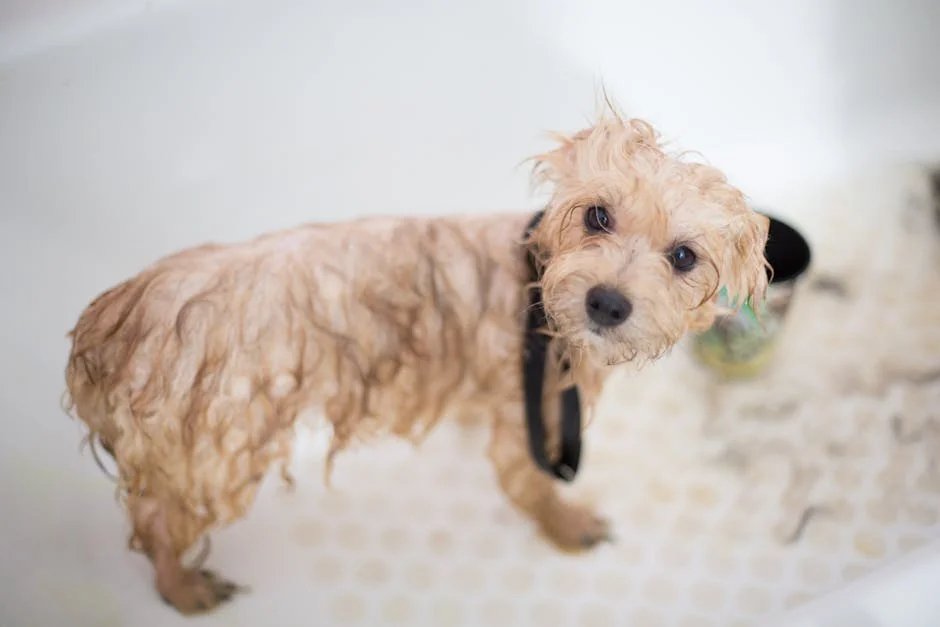
You can extend the time between full baths while keeping your dog smelling fresh and looking clean.
- Daily Brushing: This is more effective than bathing for cleanliness. Brushing distributes natural oils away from the skin and down the hair shaft, preventing buildup and keeping the coat shiny. It also mechanically removes dried mud and debris.
- Wipes: Use grooming wipes to clean paws and sanitary areas after walks.
- Waterless Shampoo: Foams and sprays can spot-clean a messy area without requiring a full tub session.
- Ear Cleaning: Sometimes the “doggy smell” isn’t coming from the coat, but from the ears. Clean ears weekly with a vet-approved solution to reduce odor.
Conclusion
Ultimately, you should bathe your dog when they smell, when they are visibly dirty, or when their coat type demands it for maintenance. For most households, aiming for a monthly bath is the sweet spot. Always use a shampoo formulated specifically for dogs—human pH levels differ from canine pH levels—and ensure you rinse thoroughly to prevent skin irritation.