
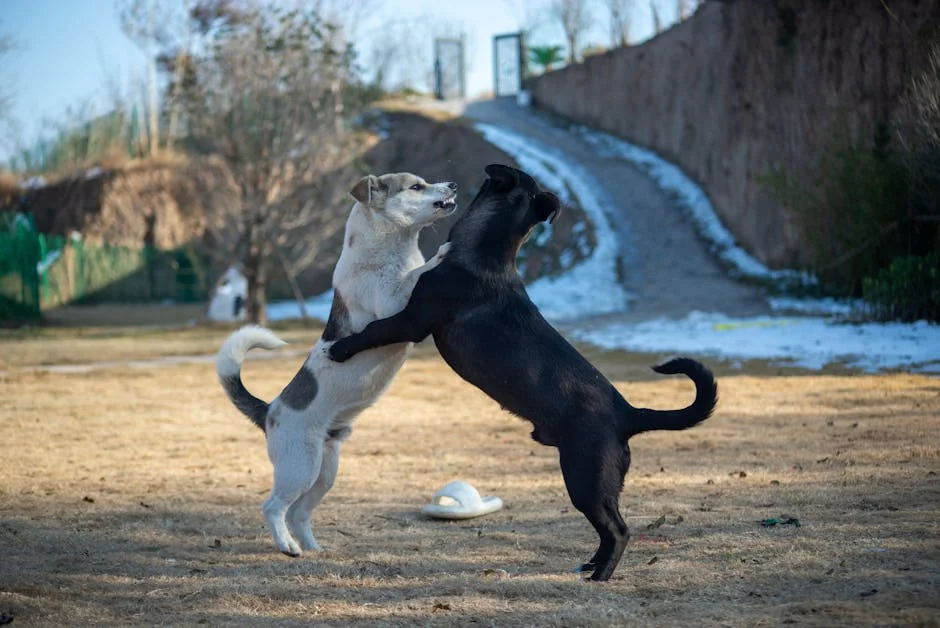
Determining exactly how much exercise a dog really needs is essential for their physical health and behavioral stability. While the general recommendation ranges from 30 minutes to two hours of activity per day, the specific amount varies drastically based on breed, age, and health.
Understanding these variables ensures you aren’t under-exercising a high-energy breed or over-exerting a growing puppy.
Analyze Your Dog’s Breed Group
Genetics play the most significant role in your dog’s energy levels. Dogs were bred for specific purposes—hunting, herding, guarding, or companionship—and their modern exercise needs reflect these historical jobs.
Working and Herding Breeds
If you own a Border Collie, German Shepherd, Husky, or Australian Cattle Dog, you have a high-octane athlete. These dogs were designed to work for hours without stopping. A simple walk around the neighborhood is rarely enough.
- Daily Need: 90 minutes to 2+ hours.
- Intensity: High. They need running, fetch, agility training, or hiking.
- Insight: Without adequate exercise, these breeds often develop destructive habits like chewing furniture or excessive barking.
Sporting and Terriers
Retrievers, Labs, Spaniels, and Jack Russells have high endurance and an intense desire to investigate their environment. They require rigorous activity but are often better at settling down once their needs are met compared to herding breeds.
- Daily Need: 60 to 90 minutes.
- Intensity: Moderate to High. Fetch, swimming, and long, brisk walks are ideal.
Toy and Companion Breeds
Pugs, Shih Tzus, Chihuahuas, and French Bulldogs were bred primarily for companionship. While they still need activity to prevent obesity, their endurance is lower.
- Daily Need: 30 to 60 minutes.
- Intensity: Low to Moderate. Several short walks and indoor play sessions usually suffice.
Brachycephalic (Flat-Faced) Breeds
If you have a Bulldog, Pug, or Boxer, you must monitor them closely. Their respiratory structure makes it difficult for them to cool down and breathe heavy during intense exertion.
- Precaution: Limit exercise during heat and humidity. Focus on short, frequent walks rather than long-distance endurance.
Exercise Needs by Age
A dog’s exercise requirements change dramatically as they move from puppyhood to their senior years. Treating a puppy like a marathon runner can cause long-term injuries, while treating a senior like a statue accelerates muscle loss.
Puppies and the 5-Minute Rule
Puppies have boundless energy, but their skeletal systems are soft and still developing. Too much high-impact exercise (like running on concrete or jumping) can damage their growth plates, leading to early arthritis or hip dysplasia.
Adhere to the 5-Minute Rule: Provide five minutes of structured exercise per month of age, up to twice a day.
- 3-month-old puppy: 15 minutes per session.
- 6-month-old puppy: 30 minutes per session.
Keep the rest of their activity to free play where they can stop when tired.
Adult Dogs
From roughly 18 months to 8 years old (depending on the breed), your dog is in their prime. This is the time for peak conditioning, hiking, running partners, and dog sports. This is when you should consistently hit the daily targets outlined in the breed section above.
Senior Dogs
As your dog ages, they may slow down, but movement remains vital for joint mobility and weight management.
- Focus: Low-impact activities. Swimming is excellent for seniors as it supports their weight while working muscles.
- Adjustment: Break one long 45-minute walk into three 15-minute walks to reduce strain.
Mental vs. Physical Exercise
Many owners make the mistake of focusing solely on physical exhaustion. If you have a smart dog, you cannot tire them out physically without also working their brain. 15 minutes of mental work can be as tiring as an hour of physical exercise.
If you run your dog for five miles but they are still restless, they are likely mentally bored. Incorporate these mental workouts:
- Decompression Walks: Put the dog on a long leash and let them sniff whatever they want. Sniffing lowers a dog’s pulse and engages their brain.
- Puzzle Toys: Feed them meals out of slow feeders or puzzle balls.
- Training: Practice new tricks or reinforcement drills during your walk.
Signs You Are Getting It Wrong
Your dog’s behavior serves as a direct feedback loop regarding their activity levels.
Signs of Under-Exercise
If your dog is not getting enough activity, that excess energy must go somewhere. Look for:
- Destructive chewing or digging.
- Rough play and biting (mouthing) handling.
- “Zoomies” or hyperactivity late at night.
- Excessive vocalization (whining or barking).
- Obesity.
Signs of Over-Exercise
It is possible to push a dog too far, especially “weekend warriors” who are sedentary during the week and hike 10 miles on Saturday. Watch for:
- Lagging behind on walks or refusing to move.
- Excessive panting that doesn’t stop after rest.
- Soreness, limping, or stiffness after sleeping.
- Cracked or raw paw pads.
Creating a Sustainable Routine
Do not try to be perfect every day. Instead, aim for a weekly balance. If you miss a long walk on Tuesday due to rain, make up for it with indoor training or tug-of-war.
Consistency is key. Establishing a routine helps regulate your dog’s circadian rhythm and digestion. Whether you have a sleeping sloth or a sprinting shepherd, the goal is a dog that is content, maintains a healthy weight, and sleeps soundly at your feet.