
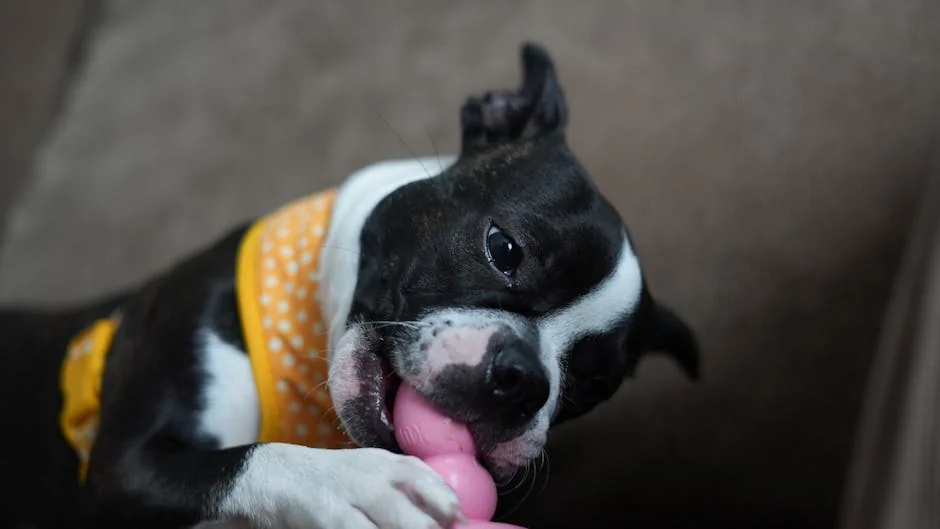
It is a common scenario in multi-person households: a dog acts friendly toward everyone but clearly gravitates toward one specific individual. This person is the one the dog follows from room to room, sleeps beside, and looks to for direction. While it hurts to feel like the “spare human,” understanding the psychology behind this preference is the first step to changing said dynamic.
You will gain a clear understanding of the specific biological, psychological, and behavioral factors that dictate how a dog selects their primary attachment figure, along with practical steps to strengthen your own bond.
The Critical Role of Early Socialization
For many dogs, their favorite person is determined before they even reach adulthood. The most influential period in a dog’s life is their critical socialization window, which typically occurs between birth and six months of age.
During this timeframe, a puppy’s brain is incredibly receptive to social experiences. The person who provides the most comfort, care, and positive interaction during this specific window often creates a lifelong imprint. If you adopted your dog as a puppy and were the primary caretaker during these months, you likely have a deeply ingrained advantage.
However, this does not mean adult rescue dogs cannot form strong attachments. For dogs adopted later in life, the “favorite” is often the person who helps them transition from a shelter environment to a stable home, effectively resetting their sense of safety.
The Power of Positive Association
Dogs operate heavily on the principle of association. While they are complex emotional beings, their brains are also wired to seek resources and safety. The person who becomes the favorite is often the one most consistently associated with “good things.”
Being the Source of Resources
Consider who provides the essential resources in your household. This includes:
- Filling the food bowl
- Dispensing high-value treats
- Opening the door for walks
- Providing water
If one person handles the fun activities (walks and treats) while another handles the unpleasant tasks (baths and nail trimmings), the dog will naturally gravitate toward the source of enjoyment. To become the favorite, you must become the gateway to the things your dog desires most.
The Quality of Attention
Quantity of time does not always equal quality of bonding. You might be home with the dog all day, but if you are working at a computer while your partner comes home for an hour of intense play and cuddling, the dog may prefer your partner.
Dogs value active engagement. They bond with people who play fetch, engage in tug-of-war, or offer focused grooming sessions. Passive presence is comforting, but active interaction builds the relationship.
Personality and Energy Matching
Sometimes, a dog’s preference comes down to a simple personality clash or match. Just like humans, dogs have distinct temperaments, and they tend to select a favorite person who reflects or complements their own energy.
The Mirror Effect
A high-energy breed, such as a Border Collie or Australian Shepherd, will often bond with the most active person in the house—the one who goes for runs or plays frisbee. Conversely, an introverted, lower-energy Basset Hound or Bulldog may prefer the person who spends the most time relaxing on the couch.
If your energy level differs drastically from your dog’s natural state, you may need to adjust your behavior to bridge that gap. If you have a nervous dog, they will favor a calm, soft-spoken human over a loud, boisterous one, regardless of who feeds them.
Communication and Predictability
Dogs rely on body language and consistency to understand the world. They feel safest with people who are predictable. If you are inconsistent with rules—allowing them on the couch one generally but scolding them the next—you create confusion.
The favorite person is usually the clearest communicator. This individual uses consistent commands, maintains clear boundaries, and reacts predictably to the dog’s behavior. This clarity creates a sense of safety. A dog will always choose a leader they can understand over one who confuses them.
How to Become Your Dog’s Favorite Person
If you aren’t currently “the one,” you can change the hierarchy. Bonding is a fluid process, not a permanent status. By intentionally altering your interactions, you can deepen your connection.
Utilize Hand-Feeding
One of the fastest ways to improve your bond is to stop using a food bowl for a week. Feed your dog their daily meals by hand, or use their kibble as training rewards. This forces the dog to focus on you and reinforces the idea that you are the direct provider of sustenance. It promotes eye contact and physical proximity in a positive context.
Engage in Training, Not Just Discipline
Training is often viewed as a way to fix behavior, but it is actually a bonding exercise. When you teach a dog a new trick, you are working as a team. The mental stimulation releases dopamine in the dog’s brain, and they begin to associate that chemical reward with you. Spend 10 minutes a day on positive reinforcement training.
Respect Their Space (Consent Tests)
Ironically, trying too hard can backfire. Smothering a dog with hugs and kisses when they aren’t in the mood can make them withdraw. Practice “consent tests” by petting your dog for three seconds, then stopping.
If the dog leans in or nudges you for more, continue. If they walk away, let them go. Respecting their autonomy builds massive amounts of trust. A dog feels safest with the person who doesn’t force interaction.
Create Specific Rituals
Establish a routine that is exclusive to you and the dog. This could be a morning walk before anyone else is awake, a specific game you play in the evening, or a grooming routine. Shared rituals create a sense of belonging and predictability that dogs crave.
By understanding that your dog’s preference is built on a foundation of socialization, positive association, and clear communication, you can stop taking their favoritism personally and start taking actionable steps to win their heart.