
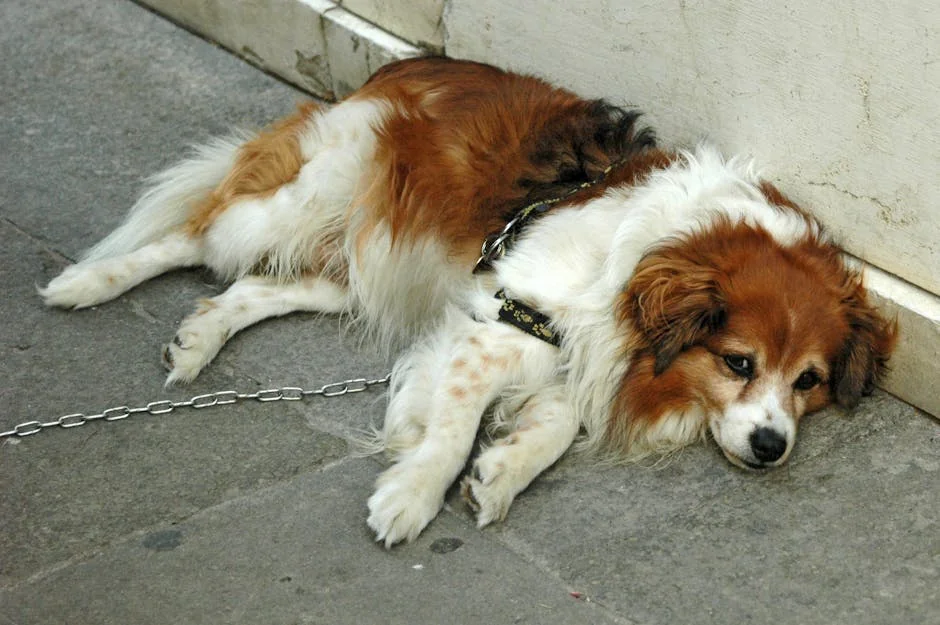
Many dog owners can easily recognize when a dog is terrified or aggressive—tucked tails, growling, and trembling are hard to miss. However, by the time your dog displays these obvious reactions, they have likely been stressed for quite some time.
To truly understand your dog’s emotional state and prevent behavioral issues, you need to identify the “whispers” before they turn into shouts. Recognizing these subtle dog stress signals allows you to advocate for your pet and de-escalate situations before they become dangerous.
The Concept of Displacement Behaviors
When a dog experiences internal conflict or mild anxiety, they often perform normal behaviors out of context. These are called displacement behaviors. You might mistake these for random quirks, but they are actually your dog trying to self-soothe or distract themselves from a stressful trigger.
The “Shake Off”
You usually see your dog shake their entire body after a bath or a swim. However, if your dog performs a full-body shake when they are completely dry, they are literally trying to “shake off” tension.
You will often see this happen immediately after a stressful interaction, such as a hug from a child, a rough encounter with another dog, or a confusing training session. It is a reset button. If you see this, acknowledge that the previous interaction was too much for your dog.
Sudden Sniffing or Scratching
If you ask your dog to do something they find difficult, or if a stranger approaches them, they might suddenly start scratching an itch that wasn’t there a second before. Alternatively, they might become intensely interested in sniffing a specific spot on the ground.
This is avoidance. Your dog is feeling social pressure and is disengaging from the source of stress by focusing on something neutral. It is a polite way of saying, “I am uncomfortable with this interaction.”
Facial Micro-Signals
The face holds the most critical data regarding your dog’s comfort level. These signals are fleeting and require close observation, but they are among the most reliable indicators of early-stage anxiety.
Lip Licking and Yawning
Context is everything here. If your dog just ate dinner, lip licking is normal. If they just woke up from a nap, a yawn is expected.
However, if a toddler is crawling toward your dog and your dog licks their nose or lips quickly, that is a stress signal. Similarly, a “stress yawn” looks different from a tired yawn; it is often more intense and prolonged. These are appeasement signals meant to communicate, “I am not a threat, please give me space.”
Whale Eye
“Whale eye” occurs when a dog turns their head away from a trigger but keeps their eyes fixed on it, exposing the sclera (the white part of the eye). The eyes often look wide and round rather than soft and almond-shaped.
This signal indicates high anxiety and guarding behavior. It often precedes a bite if the warning is ignored. If you see the whites of your dog’s eyes while they are holding a bone or being hugged, stop what you are doing immediately and give them space.
Changes in Mouth Tension
A relaxed dog usually has a slightly open mouth with a loose tongue. As stress rises, the mouth closes tight. You might notice the whiskers bunching up or the commissures (corners of the mouth) pulling back or forward.
Pay attention to panting as well. A “stress pant” is different from a “heat pant.” It is often shallow, rapid, and does not correspond to the temperature or activity level. You may also see a “spatulate tongue,” where the tongue becomes wide and spoon-shaped at the bottom, indicating intense physiological stress.
Physiological Responses
Sometimes the signs of stress are physical reactions that the dog cannot control voluntarily. These are driven by the autonomic nervous system’s “fight or flight” response.
Sweaty Paws
Dogs do not sweat through their skin like humans; they sweat through their paw pads. If your dog leaves damp paw prints on the vet’s examination table or the floor during a thunderstorm, they are experiencing significant fear. This is a sign of high arousal and requires immediate intervention to help them feel safe.
Excessive Shedding and Dandruff
Have you ever petted a dog at the vet and ended up covered in fur? This is often called “blowing coat.” When a dog is stressed, their adrenaline spikes, causing hair follicles to release.
Similarly, you might notice a sudden appearance of dandruff or “scurf” on your dog’s coat during a stressful event. This physiological reaction happens remarkably fast and is a clear indicator that the environment is overwhelming them.
The “Shut Down” Response
One of the most dangerous misconceptions is confusing a “shut down” dog with a “well-behaved” dog. When stress levels become intolerable, some dogs enter a state of learned helplessness.
Freezing and Avoidance
If your dog completely freezes, refuses to move, or will not make eye contact, they are not being calm; they are terrified. A localized freeze often happens right before a bite.
If you are scolding your dog or moving into their space and they become statue-still, do not mistake this for submission. It is a desperate attempt to inhibit any behavior that might provoke you further.
Refusal of Treats
This is the ultimate litmus test for stress. If your dog is usually food-motivated but suddenly refuses a high-value treat (like cheese or liver), their anxiety has surpassed their biological drive to eat.
When a dog is in “fight or flight” mode, their digestive system shuts down. If your dog won’t take a treat in a new environment, they are over threshold. You need to increase the distance from the trigger until they are relaxed enough to eat again.
How to Respond to These Signals
Recognizing these signs is only the first step; your reaction is what matters. When you see your dog lip licking, yawning, shaking off, or freezing:
- Stop the interaction: If a person is petting them, politely ask them to stop.
- Create distance: Move your dog away from the trigger.
- Do not punish: never punish a growl or a stress signal. If you punish the warning (the growl), the dog may learn to skip the warning next time and go straight to a bite.
- Advocate: Be the barrier between your dog and the source of stress.
By respecting these subtle communications, you build immense trust with your dog. They learn that they don’t need to escalate to aggression because you are listening to their whispers.