
You know your dog better than anyone else. While dogs are resilient animals, they are also masters at masking pain and illness, making it critical for you to recognize the subtle—and sometimes not-so-subtle—signs that something is wrong. Recognizing these red flags early can make the difference between a simple vet visit and a life-threatening emergency.
Here is a breakdown of the specific health symptoms you should never ignore and actionable advice on how to handle them.
Gastrointestinal Distress
Occasional digestive upset happens, especially if your dog ate something unexpected. However, specific types of vomiting or diarrhea indicate serious underlying issues like obstructions, toxins, or parasites.
Persistent Vomiting or Diarrhea
If your dog vomits once but acts normal afterward, simply monitor them. However, if vomiting occurs multiple times within a few hours or continues for more than 24 hours, you need to see a vet. The same applies to diarrhea.
Pay attention to the contents. Blood in vomit or stool (which may look like coffee grounds or tar) requires immediate attention. This can signal internal bleeding, ulcers, or severe infections like parvovirus.
Unproductive Retching
If your dog is trying to vomit but nothing is coming up, this is a medical emergency. This is a classic symptom of Gastric Dilatation-Volvulus (GDV), commonly known as bloat. This condition causes the stomach to twist, cutting off blood flow. It is fatal without immediate surgery. If you see your dog dry heaving, pacing, or if their abdomen feels tight and distended, head to the emergency vet immediately.
Respiratory Changes
Breathing is a fundamental vital sign. Any distinct change in how your dog breathes warrants immediate investigation.
Labored Breathing or Excessive Panting
Panting is normal after exercise, but unexpected panting while resting or in a cool room is a sign of distress. It can indicate pain, heart issues, or respiratory failure. Watch for your dog stretching their neck out to breathe or their chest moving violently.
Persistent Coughing
A mild cough might be a sign of kennel cough, which is usually manageable. However, a deep, honking cough can indicate a collapsing trachea, while a wet cough might signal pneumonia or heart disease. If the cough disrupts their sleep or causes them to gag, schedule an appointment.
Changes in Eating and Drinking Habits
Your dog’s appetite and thirst levels are direct indicators of their metabolic health. Drastic shifts in either direction are cause for concern.
Refusal to Eat
Most dogs will not skip a meal without a reason. If your dog skips one meal but is otherwise energetic, keep an eye on them. If they refuse food for 24 hours or more, their body lacks necessary fuel, and this can lead to complications like dehydration. In many cases, anorexia is a symptom of dental pain, organ failure, or systemic infection.
Excessive Thirst and Urination
If you notice you are refilling the water bowl far more often than usual, or your dog is having accidents in the house despite being house-trained, take note. This combination is a hallmark symptom of diabetes, kidney disease, or Cushing’s disease. Catching these conditions early makes management significantly easier and cheaper.
Altered Behavior and Lethargy
Because dogs cannot tell you they feel sick, their behavior often changes to accommodate their discomfort.
Sudden Lethargy
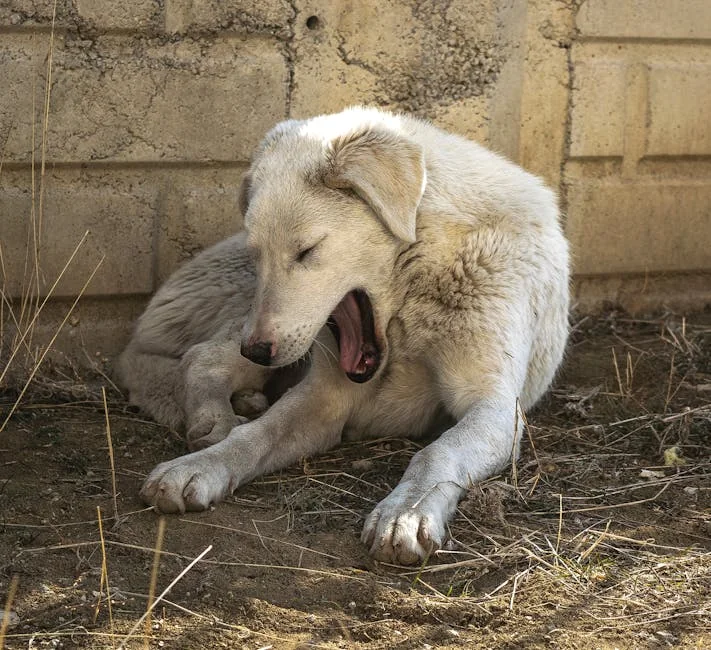
There is a difference between a tired dog and a lethargic one. A tired dog will wake up for food or a walk. A lethargic dog may show no interest in their favorite toys, treat sounds, or going outside. If your dog withdraws to a corner, sleeps excessively, or seems weak when standing, they may be fighting a fever or infection.
Sudden Aggression or Irritability
If your typically gentle dog snaps when you touch a specific area or growls when approached, do not punish them. This is often a reflex to pain. Arthritis, injuries, or neurological issues can cause touch sensitivity. A vet exam is necessary to rule out physical pain before assuming it is a behavioral problem.
Physical Abnormalities

perform regular physical checks on your dog to spot visible changes that might be hidden by fur.
Pale or Discolored Gums
Lift your dog’s lip and look at their gums. They should be a healthy pink color (unless they have natural black pigmentation).
- Pale or White Gums: This signals blood loss or shock.
- Blue or Purple Gums: This indicates a lack of oxygen.
- Yellow Gums (Jaundice): This suggests liver problems.
Any color other than pink requires an immediate trip to the vet.
Unexplained Lumps or Bumps
While fatty tumors (lipomas) are common in older dogs, you cannot diagnose a lump by feel alone. Rapidly growing lumps, sores that do not heal, or lumps that change color should be aspirated by a vet to rule out mast cell tumors or other cancers.
eye and Vision Changes

Your dog’s eyes should be clear and bright.
Cloudiness or redness
Red eyes can indicate infection, glaucoma, or injury. Squinting or pawing at the eye suggests pain. Glaucoma, specifically, is painful and can lead to blindness very quickly if untreated. If the eye looks bulging or the pupil is not responding to light, treat it as urgent.
Mobility Issues
Stiffness or limping is often dismissed as “just old age,” but it is almost always a sign of treatable pain.
Drastic Loss of Balance or dragging Legs
If your dog looks like they are walking drunk, or if they are dragging their hind legs, this is a neurological emergency. It could be a sign of Intervertebral Disc Disease (IVDD), a stroke, or vestibular disease. Time is of the essence here; paralysis can become permanent if spinal issues are not addressed immediately.
Trust Your Instincts
You are the best advocate for your dog’s health. If a symptom seems vague but you feel something isn’t right, err on the side of caution. It is always better to have a vet tell you it is nothing than to wait until a manageable issue becomes a crisis.