
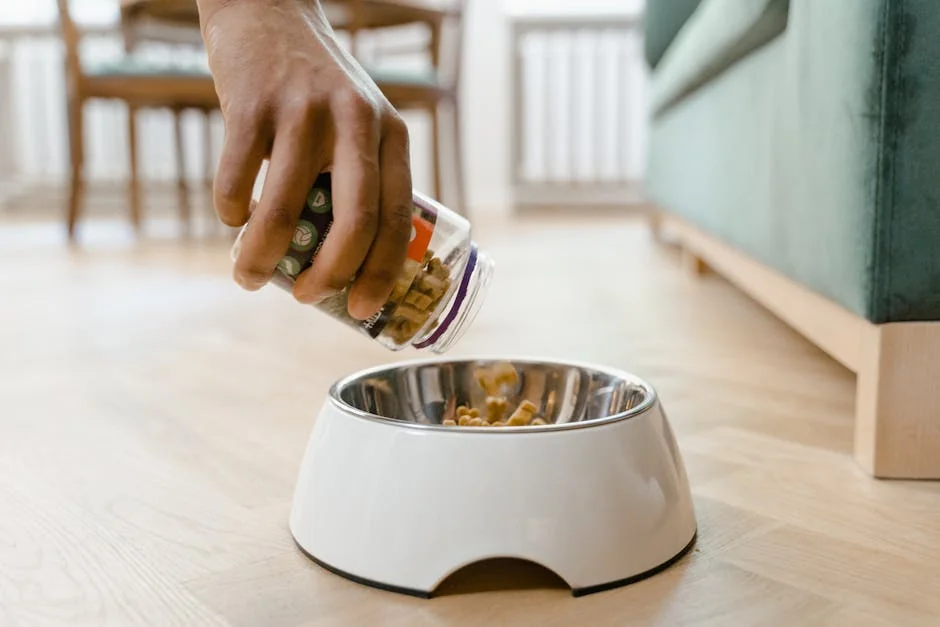
Helping your canine companion achieve a healthy weight is one of the most impactful things you can do to extend their lifespan and improve their quality of life. An effective diet plan for overweight dogs goes beyond simply putting less food in the bowl; it requires precision, nutrient management, and a commitment to new habits.
consult Your Veterinarian First
Before restricting calories, you must rule out underlying medical causes for weight gain. Conditions like hypothyroidism or Cushing’s disease can cause dogs to pack on pounds regardless of how little they eat.
Once your dog has a clean bill of health, ask your vet for your dog’s ideal weight. This number is crucial because you will base their calorie intake on what they should weigh, not what they currently weigh.
Calculate the Correct Calorie Intake
Many dog owners make the mistake of feeding based on the guidelines on the back of the dog food bag. These guidelines are often formulated for active, unsterilized dogs and usually overestimate the needs of a sedentary pet.
To create a calorie deficit, you need to calculate the Resting Energy Requirement (RER) for your dog’s target ideal weight.
A simplified formula to discuss with your vet is: Target Weight in kg × 30 + 70 = Daily Calories
For example, if your dog is 40kg but should be 30kg: 30 × 30 + 70 = 970 calories per day.
Start here, then adjust based on results. If you do not want to do the math, a safe starting point is to reduce their current total caloric intake by 20%.
Choose the Right Food Strategy
Simply reducing the portion size of your dog’s current regular kibble can be problematic. If you cut the volume drastically, you also cut the essential vitamins, minerals, and amino acids your dog needs to function. Furthermore, a tiny portion of calorie-dense food will leave your dog feeling hungry and miserable.
Switch to Weight Management Formulas
Specialized diet foods are formulated to have lower calorie density but higher nutrient density. They allow you to feed a satisfying volume of food without the excess calories. Look for foods with:
- High Protein: Helps maintain lean muscle mass while burning fat.
- High Fiber: keeps your dog feeling full and regulates blood sugar levels.
- Low Fat: Reduces the caloric density of the kibble.
Incorporate Fresh Additions
If you prefer not to change kibble entirely, replace 20% of their regular kibble with low-calorie, high-volume “fillers.” Green beans (unsalted, canned, or frozen) are the gold standard here. They add bulk to the stomach so your dog feels full, but they add almost no calories.
Lose the Measuring Cup
The most common point of failure in a diet plan for overweight dogs is the measuring cup. A “cup” of dog food can vary in weight by up to 25% depending on how you scoop it. This margin of error acts as a hidden calorie surplus that prevents weight loss.
Use a digital kitchen scale. Weighing food in grams is the only way to ensure 100% accuracy. If your plan calls for 200 grams, feed exactly 200 grams. This precision eliminates guesswork and ensures consistent results.
Manage Treats and Scraps
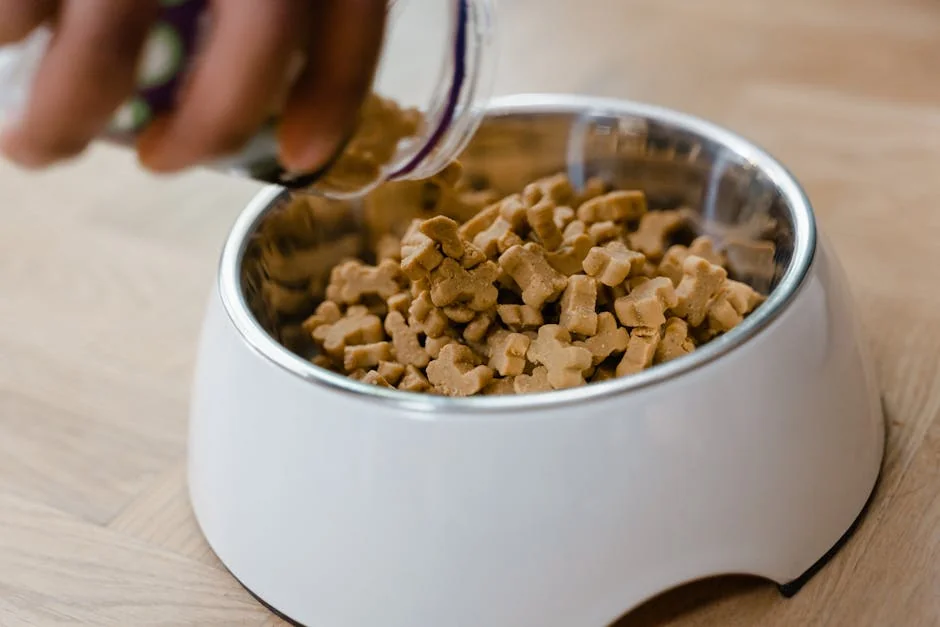
You do not have to stop giving treats, but you must change how you treat. Store-bought treats are often calorie bombs; a single large dog biscuit can contain as many calories as a cheeseburger relative to a human diet.
Follow the 10% Rule: Treats should never make up more than 10% of total daily calories.
Healthy Alternatives
Swap out processed biscuits for single-ingredient, low-calorie options:
- Carrot sticks (crunchy and sweet)
- Cucumber slices
- Apple slices (without seeds)
- Ice cubes
- Air-popped popcorn (plain, no butter or salt)
Make sure every single family member is on board. If you are strict but your partner creates “secret” treating moments, the diet will fail.
Implement Safe Exercise
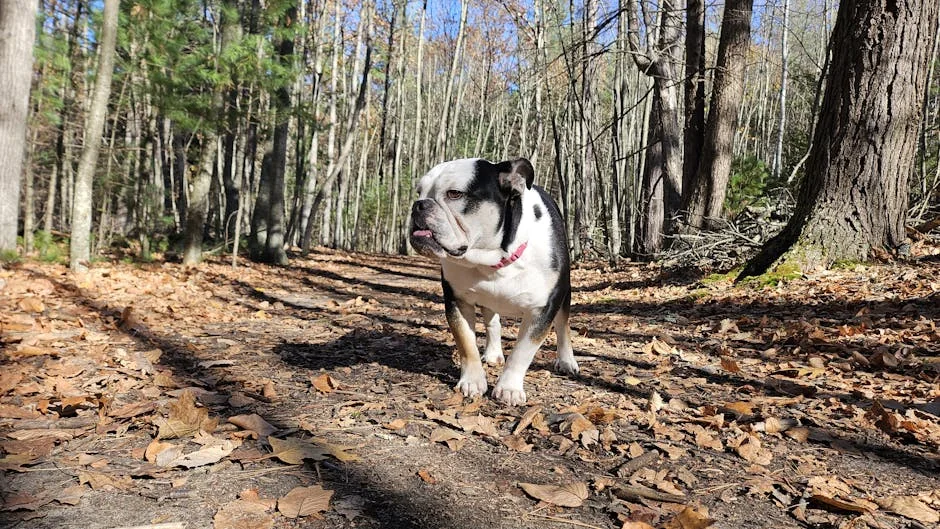
Exercise supports weight loss, but diet drives it. You cannot “out-walk” a bad diet. However, movement is essential for metabolism and joint health.
If your dog is significantly overweight, their joints are under immense stress. Avoid high-impact activities like jumping for frisbees or running on pavement immediately.
Start with low-impact consistency:
- Swimming: The best option for obese dogs as it removes weight from the joints while burning high calories.
- Controlled Leash Walking: Aim for two 20-minute walks daily rather than one long, exhausting trek.
- Scent Work: Mental stimulation burns energy. Hide healthy treats around the house to encourage movement.
Monitor and Adjust

Weight loss in dogs should be gradual. A safe rate of loss is 1% to 2% of their total body weight per week. Losing weight too fast can lead to metabolic issues or muscle loss.
Weigh your dog every two weeks. You can usually do this for free on the scale in your vet’s waiting room.
- If weight loss stalls: Reduce calories by another 5-10%.
- If weight loss is too rapid: Increase calories slightly.
As your dog loses weight, their metabolism will slow down because a smaller body requires less energy. You will likely need to adjust the calorie intake downward periodically throughout the diet to keep the progress going. Consistency and precision are your best tools for success.