
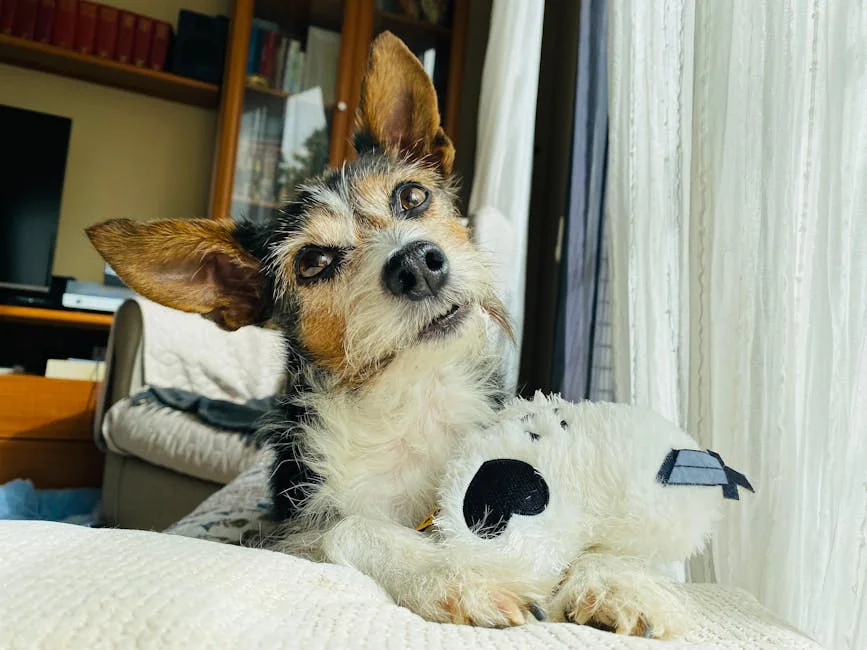
When your dog drops a slobbery toy at your feet, you are receiving one of the most direct forms of canine communication. By understanding the specific motivations behind this behavior, you can strengthen your bond and better respond to your dog’s needs.
Why Your Dog Brings You Toys
Dogs do not bring toys to their owners without a specific biological or psychological reason. While it may seem like a simple request for play, the intent often shifts based on the situation, the dog’s personality, and your previous reactions.
The Desire for Engagement
The most common reason your dog brings you a toy is to initiate social interaction. Dogs are pack animals that thrive on shared activities. When your dog approaches you with a ball or plush toy, they are signaling that they want to be part of your world.
By engaging with the toy, you are rewarding their initiative and reinforcing the social hierarchy of your “pack.” If you ignore this gesture repeatedly, your dog may learn that bringing toys is an ineffective communication method and stop doing it, which can decrease the quality of your interaction.
The Instinct to Retrieve and Prey Drive
Many breeds have been selectively bred for centuries to carry, fetch, or track items. Providing a toy is a way for your dog to simulate the act of hunting.
- Working Breeds: Retrievers, spaniels, and herding dogs often bring toys because their genetic makeup demands a “job.” Carrying an object provides them with a sense of purpose.
- Release of Tension: Bringing you a toy can also be a coping mechanism. If your dog is feeling anxious or restless, the physical act of holding a toy and presenting it can help them self-soothe.
Seeking Positive Reinforcement
You have likely conditioned your dog to bring you toys through your own behavior. Every time you smile, praise your dog, or throw the toy when they bring it to you, you are providing a powerful reward.
Your dog quickly learns that the toy acts as a key to unlock your undivided attention. If you are usually busy or working when the dog approaches, the toy is essentially a tool they use to command your focus.
Assessing Intent: Reading the Signals
Not every toy-delivery is an invitation for a high-energy game of tug-of-war. To respond appropriately, you must observe your dog’s body language.
Playful vs. Calm Presentation
If your dog’s body is bouncy, their tail is wagging horizontally, and they are doing a “play bow” (front legs down, rear end up), they are asking for energetic play. This is the time to throw the ball or engage in a game.
If your dog approaches quietly, drops the toy gently, and sits or lies down near you, they are likely just looking for companionship. They want to be near you and be acknowledged. In this case, a calm pat on the head or a brief verbal “good dog” is often more appropriate than initiating a high-energy game.
The “Gift-Giving” Behavior
Sometimes your dog brings you a toy not to play, but as a “gift.” They may drop it on your lap while you are resting. This is a sign of trust and affection. In the wild, dogs might bring items back to the den to show security. Bringing you their favorite possession signifies that you are the most trusted member of their circle.
How to Handle Toy-Bringing
How you handle these interactions determines whether the behavior remains positive or becomes a source of frustration.
Establish Boundaries
If your dog brings toys at inconvenient times—such as during online meetings or while you are eating—you should implement a “not now” command. Redirect them to a separate chew toy or a quiet activity. Consistent redirection teaches your dog that while you appreciate the gesture, you also have times when you are unavailable.
Use Toys for Training
Use your dog’s drive for toy-retrieval to your advantage. If you want to teach advanced obedience, use the toy as a high-value reward instead of treats. After a command is successfully executed, offer the toy as payment. This builds engagement and makes training sessions look like play to your dog, resulting in faster and more enthusiastic learning.
Rotate Their Inventory
If your dog brings you the same toy constantly, they may be bored with their current selection. Rotate your dog’s toys weekly to keep their interest piqued. When you reintroduce an “old” toy, it often becomes “new” again, which can re-spark their enthusiasm for both the toy and the interactive play they have with you.
By paying attention to the context of the toy-delivery, you transform a simple repetitive act into a meaningful dialogue between you and your dog.