
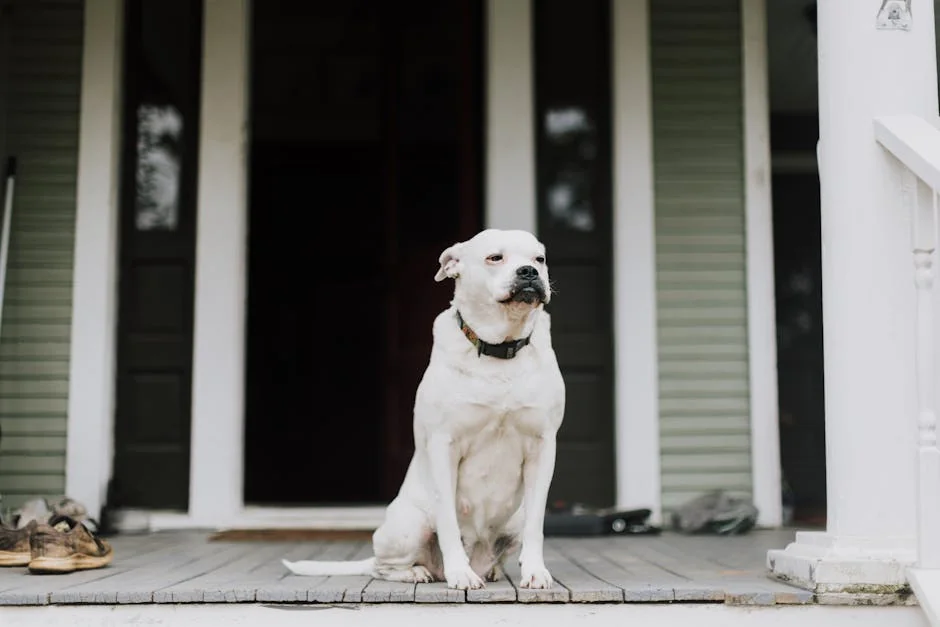
If your dog destroys furniture, howls incessantly, or suffers from accidents whenever you leave the house, they likely struggle with separation anxiety. By implementing structured training routines and adjusting your departure habits, you can help your dog feel secure and calm in your absence.
Understand the Roots of Anxiety
True separation anxiety is a panic response, not a behavioral issue born of spite or lack of training. Your dog is experiencing a genuine fear of being alone. Before starting a program to stop separation anxiety in dogs, ensure the behavior isn’t caused by a lack of physical exercise or potential medical issues.
The Signs of Distress
Recognizing the symptoms early allows you to intervene before the behavior becomes a deeply ingrained habit. Common indicators include:
- Excessive pacing or panting when you grab your keys.
- Destructive chewing, particularly around door frames or windows.
- Constant barking or howling that starts shortly after you leave.
- Difficulty settling down or intense clinginess when you are home.
Establish a Low-Key Departure Routine
Your departure rituals often act as “cues” that trigger anxiety in your dog. If you spend ten minutes giving emotional goodbyes or apologizing to your pet, you are inadvertently signaling that something significant—and perhaps negative—is about to happen.
Ditch the Dramatic Goodbye
Keep your exits and entries as boring as possible. Do not make eye contact, talk in a soothing voice, or offer excessive affection right before you walk out the door. The goal is to make your departure a non-event. If your dog learns that you leaving is mundane, their physiological stress response will begin to level out.
The Power of “Counter-Conditioning”
You must change how your dog views your absence. Instead of focusing on your leaving, focus on what your dog receives when you are gone. Provide a high-value treat, such as a puzzle toy stuffed with frozen peanut butter or a long-lasting chew. Give this only when you leave and remove it the moment you return. Your dog will quickly begin to associate your absence with something delicious and engaging.
Gradual Desensitization Training
You cannot expect a dog with anxiety to remain calm for eight hours immediately. You must build their tolerance through incremental exposure, starting with seconds instead of hours.
Simulate the Departure
Follow these steps to desensitize your dog to your cues:
- Put on your shoes or grab your keys, then sit back down on the couch. Do not leave the house yet.
- Repeat this until your dog stops reacting to the sound of keys or the sight of shoes.
- Once the cues no longer trigger a reaction, step out the door for five seconds and immediately return.
- Gradually increase the time you spend outside, staying just under the threshold where your dog starts to show signs of panic.
Monitor and Adjust
If you leave for one minute and your dog displays signs of distress, pull back. Go back to a duration they can handle without panic. Progress is rarely linear; some days you will need to shorten the duration again to ensure your dog maintains confidence.
Create a Safe Environment
Your dog needs a sanctuary that feels secure. Depending on your dog’s personality, you have two primary options for housing them while you are away.
Crate Training vs. Free Roam
For some dogs, the confined space of a crate provides a sense of security and prevents destructive behavior. If your dog finds the crate comforting, ensure it is associated only with positive experiences. For others, the crate acts as a trigger for claustrophobia, which significantly increases panic. If your dog is a “barrier frustrator” and breaks out of crates, leave them in a pet-proofed room with a baby gate instead. Use a webcam to observe their behavior; if they remain calm, you have found an effective arrangement.
Manage Energy Levels
A tired dog is almost always a calmer dog. Before you leave, provide a period of intense mental and physical stimulation. Use food-dispensing puzzles to work their brain, as mental fatigue is often more effective than pure physical exercise at inducing relaxation.
If after consistent, disciplined training your dog continues to exhibit high levels of panic that result in self-injury or extreme destruction, consult with a veterinarian or a certified veterinary behaviorist. In some cases, temporary pharmacological support, when combined with behavior modification, is the most humane path to helping your dog overcome severe separation anxiety.