
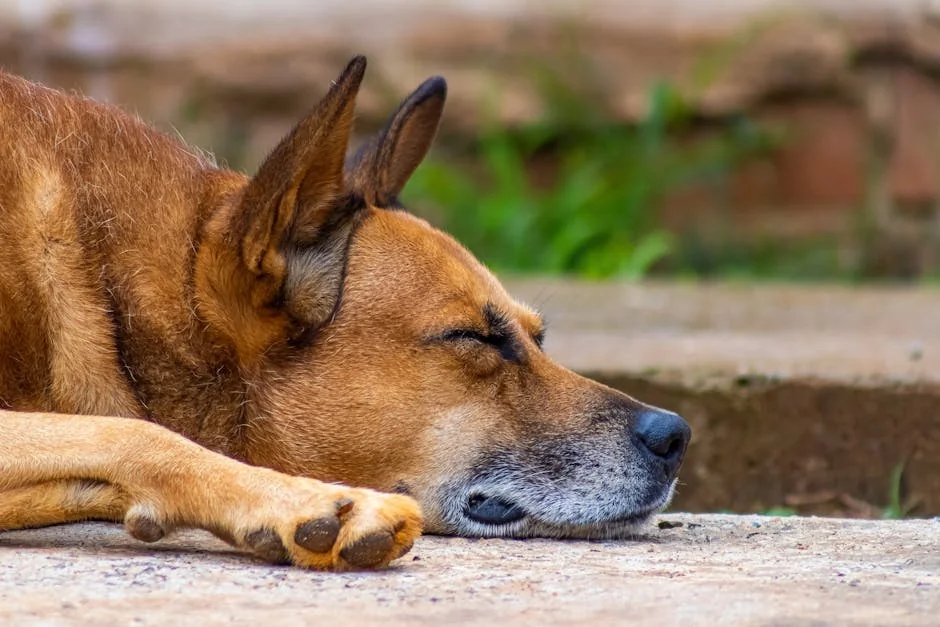
Your dog’s sleeping position offers a unique window into their personality, comfort level, and health status. By observing how your pet settles down for a nap, you can better understand their emotional state and ensure their environment meets their specific needs.
The Side Sleeper
If you frequently find your dog stretched out on their side, you are observing one of the most common and positive sleeping postures. This position indicates that your dog feels completely safe and secure in their environment.
What it means for your dog
When a dog exposes their stomach and vital organs, they are signaling a high level of trust. You can take this as a clear sign that your dog is relaxed, content, and has no guarded feelings about their surroundings. Because this position allows for deep, REM-cycle sleep, your dog is likely getting high-quality rest when they choose this posture.
The “Donut” or Curled Ball
You have likely seen your dog tuck their nose to their tail, forming a tight circle. This is an instinctual behavior rooted in ancestral survival, designed to protect the most vulnerable parts of the body and conserve heat.
When to pay attention
While most dogs curl up simply to stay warm, it is also a protective mechanism. If your dog prefers this position in a home environment that is not cold, they may be seeking comfort or trying to hide their vital organs due to anxiety. Ensure your dog has a high-walled bed if they favor this position, as it provides the physical boundaries they are subconsciously craving.
The “Superman” or Sploot
Common in puppies and high-energy breeds, the “Superman” involves your dog lying flat on their stomach with all four limbs stretched out. Your dog is ready to spring into action from this position at any second.
Understanding the behavior
This posture is typical for dogs that want to cool down quickly, as their bellies are pressed against a cool floor surface. It also reflects a playful spirit; your dog is essentially pausing their activity without fully committing to deep sleep. If you see this, know that your dog is likely just taking a brief break before wanting to engage with you again.
The Back Sleeper with Paws Up
Seeing your dog belly-up with their paws dangling in the air can look humorous, but it conveys a very specific message. This is the ultimate “I trust you” position, as it leaves the most vulnerable part of the body entirely exposed.
Key takeaways for owners
When your dog sleeps on their back, it signals that they are extremely comfortable, confident, and perhaps a bit hot. Since dogs do not sweat through their skin, exposing the thinner hair on their stomach and the pads of their paws helps them regulate their body temperature. You do not need to worry if they seem “silly” in this position; it is a clear indicator of a well-adjusted, relaxed pet.
The “Lion’s Pose”
If your dog sleeps with their head resting on their front paws, they are in the Lion’s Pose. They aren’t fully relaxed, but they aren’t fully alert either.
Recognizing the balance
In this position, your dog can wake up and react instantly if something gains their attention. It is common for dogs that are resting but still want to keep an eye on their environment. If you notice your dog spends most of the day in this position, they may be alert to noises or movement in the house. Ensure they have a quiet corner where they can transition into a deeper sleeping posture if they seem tired but unable to settle.
Factoring in Environmental Cues
While personality plays a role, you must also look at external variables that influence these positions. A dog that usually naps in a ball may suddenly stretch out if the ambient room temperature increases. Conversely, a dog that loves to sleep on their back might move to a different, colder room if the sun is hitting them directly.
Actionable tips for better sleep
- Observe sudden changes: If your dog suddenly stops their favorite sleeping position and begins pacing or struggling to get comfortable, this may indicate joint pain or discomfort.
- Provide options: Offer your dog both an open, flat mat and a bolstered bed. This allows them to choose the position that best serves their physical needs at that moment.
- Monitor environmental stressors: If your dog is consistently sleeping in a vigilant, tight, or “ready-to-flee” position, evaluate if there are loud noises or high-traffic areas in the home that are preventing them from entering a deep, restorative, and side-lying sleep state.
By paying attention to these subtle shifts, you gain the ability to provide a more supportive environment for your dog, directly contributing to their overall health and sense of security.