
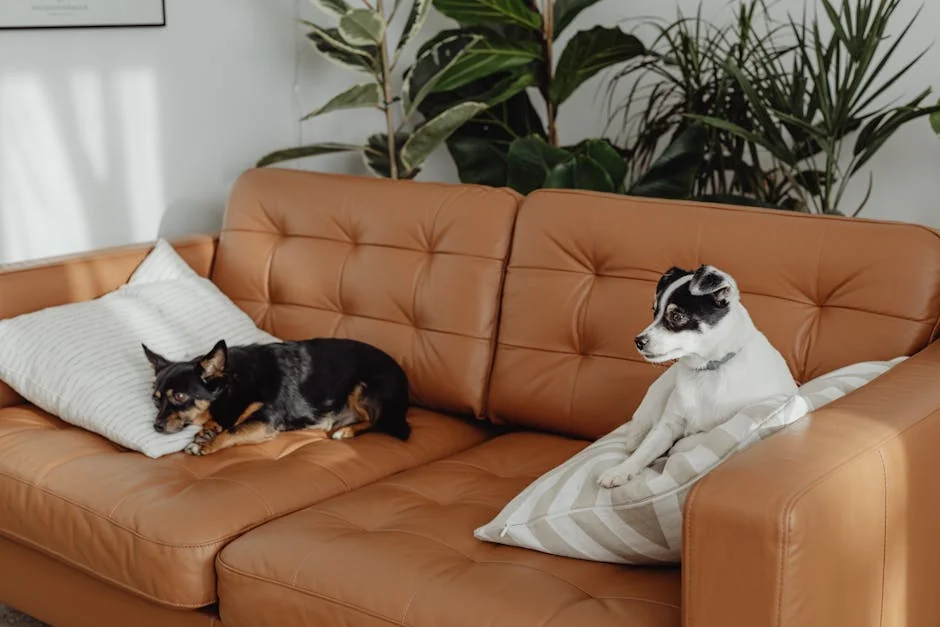
Creating a pet-friendly living space balances your needs with your dog’s safety, comfort, and natural instincts. By optimizing your interior layout and storage habits, you can reduce household accidents, minimize wear and tear, and ensure a healthier environment for your canine companion.
Optimize Your Flooring and Surfaces
Flooring is the foundation of a dog-friendly home. High-traffic areas are prone to scratches from claws and damage from spills or accidents.
Select Pet-Proof Materials
Choose flooring options that are moisture-resistant and scratch-proof. Luxury vinyl plank (LVP), ceramic tile, and sealed concrete are the gold standards for dog owners. If you prefer carpet, opt for low-pile or modular carpet tiles. These allow you to replace a single stained or damaged square rather than ripping up an entire room of wall-to-wall carpeting.
Create Traction and Boundaries
Slick surfaces like hardwood or tile can be dangerous for older dogs or energetic puppies, leading to joint strain or slips. Place washable runner rugs in hallways and at the base of stairs to provide necessary grip. Use non-slip pads underneath these rugs to prevent them from sliding when your dog plays or moves quickly.
Designate Dedicated Zones
Dogs thrive on structure, and creating specific areas for their activities helps keep the rest of your home clean and organized.
The Feeding Station
Keep water and food bowls in a low-traffic area, such as a corner of the kitchen or a mudroom. To protect your floors, place these bowls on a silicone or waterproof mat with a raised edge to catch spills and stray kibble.
The Retreat Space
Your dog needs a “den”—a quiet, secluded spot where they can retreat when the household becomes too busy or loud. Whether it is a crate covered with a blanket or a dedicated dog bed placed in a corner, ensure this spot remains a “no-go zone” for children or visitors. This helps your dog feel secure and reduces stress-related behavioral issues.
Implement Strategic Storage for Safety
A dog-friendly home is, first and foremost, a safe one. Many common household items are toxic or pose choking hazards.
Secure Household Hazards
- Cleaning Supplies: Store all chemicals, soaps, and detergents in high cabinets with child-proof locks.
- Small Objects: Keep shoes, kids’ toys, and electrical cords stowed away. If a dog can chew it, they will.
- Trash Management: Use heavy-duty, locking trash cans to prevent your dog from foraging for leftovers, which often contain dangerous bones, onions, or chocolate.
Organize Pet Supplies
Maintain a centralized bin or drawer for your dog’s belongings, such as leashes, grooming tools, and toys. By keeping these items accessible but organized, you prevent clutter from accumulating, which in turn reduces the likelihood of your dog getting into things they shouldn’t.
Protect Your Furniture and Textiles
You do not need to sacrifice style to keep your furniture intact. The key is choosing the right materials and using protective measures.
Choose Pet-Friendly Fabrics
If possible, invest in furniture upholstered in microfiber, leather, or performance fabrics like canvas. These materials are highly durable, resist odors, and are significantly easier to clean than velvet, silk, or loose-weave linens, which easily trap dog hair and snag on claws.
Utilize Slipcovers and Throws
If your dog enjoys lounging on the sofa, use washable throw blankets or heavy-duty slipcovers. When guests arrive or the fabric gets dirty, you can simply toss the cover into the washing machine. This protects the underlying furniture from dander, dirt tracked in from outside, and moisture.
Establish Easy Maintenance Habits
Consistent maintenance is the most effective way to keep your home clean and smelling fresh.
- The “Mudroom” Protocol: Keep a dedicated towel and paw-cleaning station near every entrance. Wiping your dog’s paws immediately upon re-entering the house prevents mud, salt, and pesticides from being tracked throughout your floors and furniture.
- Air Sanitation: Vacuum at least twice a week with a machine equipped with a HEPA filter to remove dander and hair. Use an air purifier in common rooms to keep the air quality high and minimize lingering “dog smell.”
- Regular Grooming Routine: Brushing your dog outdoors or in a designated bathing area reduces the amount of shedding that occurs inside your home. Taking care of their coat early prevents fur from settling deep into your cushions and carpets.
By implementing these environmental changes, you significantly reduce the friction between your lifestyle and your dog’s needs. A well-organized, thoughtful space isn’t just better for the dog; it creates a stress-free environment that allows you to spend more time enjoying your pet and less time cleaning up after them.