
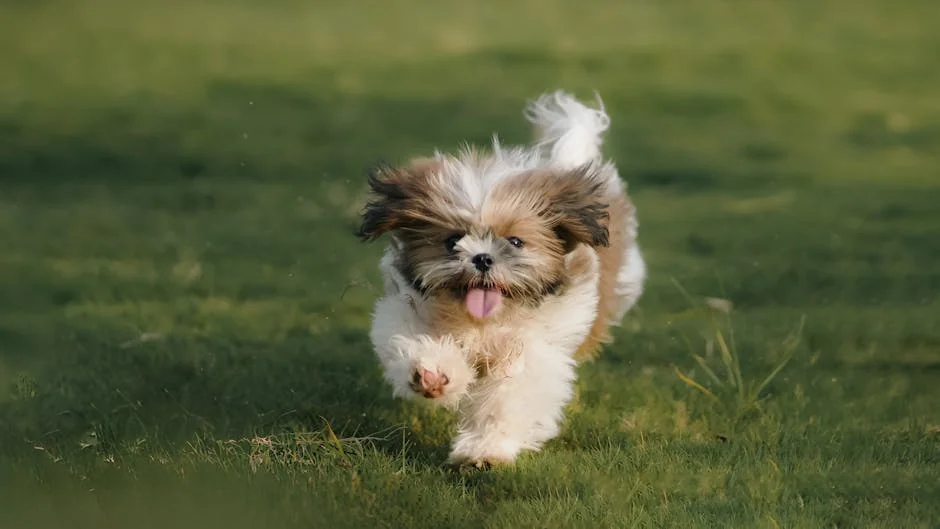
A well-designed backyard dog run provides your pet with necessary exercise and stimulation while keeping your landscaping intact and your dog safe. Follow this guide to plan, construct, and maintain an outdoor space that balances functionality, safety, and durability for your companion.
Planning the Layout and Location
Before you break ground, observe how your dog interacts with your yard. Identify areas where they naturally run or choose to settle.
Place the dog run in a location that offers a mix of sun and shade throughout the day. Avoid low-lying areas that collect water after rain, as these will quickly turn into muddy pits. Ensure the enclosure is visible from inside your home so you can monitor your pet’s behavior without having to stand outside.
Measuring for Success
Aim for the largest footprint your yard can reasonably accommodate. While local zoning laws may have minimum requirements, a functional run should be at least 4 to 5 feet wide to allow your dog to turn around and trot comfortably without hitting the fencing. If you have a high-energy breed, prioritize length over width to allow for sprinting.
Selecting Durable Materials
The longevity of your backyard dog run depends on the materials you choose for the enclosure and the floor.
Fencing Options
- Chain Link: The gold standard for durability. It is impact-resistant and offers excellent visibility, though it can look industrial.
- Welded Wire Panels: These offer a cleaner, more rigid aesthetic than chain link and are harder for dogs to push out or climb.
- Vinyl or Wood: Use these for perimeter aesthetic, but ensure you reinforce the bottom with wire mesh, as dogs can chew through wood or dig under vinyl siding.
Choosing the Right Surface
Avoid standard grass if you have a high-traffic run, as it will inevitably turn to dirt and mud.
- Pea Gravel or Crushed Granite: Excellent for drainage and cleanliness. Always install a weed barrier fabric underneath to prevent organic matter from mixing with the stone.
- Artificial Turf for Dogs: Specifically designed for pet use, this typically includes an antimicrobial backing and superior drainage holes. Ensure you use infill that is non-toxic and resists odor buildup.
- Rubber Pavers: These provide a slip-resistant surface that is easy to hose down and gentle on your dog’s paw pads.
Vital Safety Considerations
Safety is your primary concern when designing a containment area. Every detail must deter escape and prevent injury.
Securing the Perimeter
If your dog is a digger, you must extend the fencing at least 6 to 12 inches into the ground or bury heavy-duty wire mesh horizontally along the base of the fence line, extending outward by at least two feet. This prevents them from digging directly against the vertical barrier.
Check the gate hardware frequently. Dogs are intelligent and can learn to nudge latches if they aren’t properly secured. Use a double-latching system or a padlock to ensure the gate stays shut under impact.
Overhead Protection
If you have a jumper, you will need a top cover for the run. A simple canopy or a welded-wire roof prevents escape and provides essential shade. If you live in an area with hawks or other predators, a fully enclosed top is mandatory for small breeds.
Adding Enrichment and Comfort
A dog run should not be a lonely cage. By adding purposeful features, you turn it into an engaging space that your dog will genuinely enjoy.
Environmental Enrichment
- Elevation: Add a raised platform or a deck. Dogs enjoy viewing their surroundings from a slightly elevated vantage point.
- Sensory Cues: Incorporate safe, non-toxic plants like rosemary or catmint near the fence line to provide olfactory stimulation.
- Hydration Stations: Install an automatic waterer attached to an outdoor spigot. This ensures your dog always has cool, clean water regardless of the weather.
Sanitation Management
Design the run with hygiene in mind to prevent odors. If you use gravel, keep a deep rake nearby to remove waste daily. If you prioritize soft surfaces, ensure your hose has a high-pressure nozzle to push waste toward a drain or a dedicated waste management area. Place a heavy-duty trash bin with a tight-fitting lid near the exit of the run to encourage consistent cleanup habits.
By focusing on high-quality materials and smart layout choices, you create a space that reduces your stress and provides your dog with a healthy, independent outlet for their natural energy.