
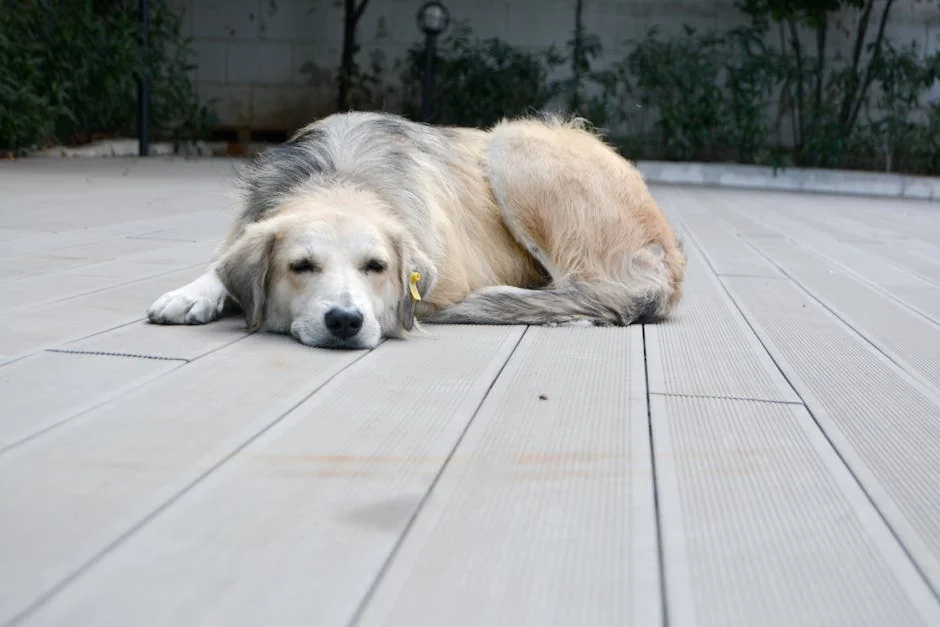
Understanding your dog’s sleep habits is crucial for monitoring their overall health, behavior, and happiness. While individual needs vary, knowing the standard benchmarks for age and breed helps you distinguish between a well-rested canine and a potential medical concern.
Average Sleep Requirements by Age
The most significant factor determining how many hours your dog should sleep is their age. Dogs go through distinct developmental stages that drastically alter their energy levels and need for recovery.
Puppies (18–20 Hours)
If you have a puppy, you might feel like they are constantly asleep. This is completely normal essential. Puppies burn massive amounts of energy simply growing, developing their immune systems, and processing new information. You should expect a puppy to sleep between 18 and 20 hours a day. They tend to operate in bursts of chaotic high energy followed by sudden “crashes.”
Adult Dogs (12–14 Hours)
Once a dog reaches maturity (usually between 1 and 2 years old), their sleep patterns settle. An average adult dog requires 12 to 14 hours of sleep per day. However, this does not look like human sleep. They typically spend:
- 50% of the day sleeping
- 30% of the day “loafing” (resting but awake)
- 20% of the day active
Senior Dogs (16–18+ Hours)
As dogs enter their senior years, their metabolism slows down, and physical exertion becomes more tiring. You will notice your older dog returning to puppy-like sleep schedules, often requiring 16 to 18 hours of rest. Deep sleep is vital for seniors to manage joint soreness and cognitive health.
Why Dogs Sleep Differently Than Humans
You might wonder why your dog needs so much more sleep than you do. The answer lies in their sleep cycles.
When humans sleep, we spend about 25% of the time in REM (Rapid Eye Movement) sleep, which is the restorative stage where dreaming occurs. Dogs, however, only spend about 10% of their sleep time in REM.
Because dogs enter REM stages quickly—often within 20 minutes—but also wake up incredibly easily due to their predatory instincts, they are naturally “light sleepers.” To get enough restorative mental and physical recovery, they must sleep for longer total durations to compensate for the frequent interruptions and lack of prolonged deep sleep.
Factors That Influence Sleep Duration
Beyond age, several external and biological factors dictate exactly how long your specific dog will sleep.
Size and Breed
Generally, giant breeds sleep more than small or medium breeds. A Mastiff or Saint Bernard requires significantly more energy to move their large bodies and will often sleep longer to recover. Conversely, working breeds like Border Collies or Australian Shepherds are bred for stamina and alertness; they may sleep less if they feel they have a “job” to do or if they are not physically tired out.
Activity Levels
A working dog on a farm might sleep fewer hours than a companion dog in an apartment purely due to environmental demands. However, high activity requires high recovery. If you take your dog for a long hike, expect them to sleep soundly for the rest of the day.
Mental Stimulation vs. Boredom
It is important to differentiate between a tired dog and a bored dog. If you do not provide enough mental stimulation or physical exercise, your dog may sleep simply because there is nothing else to do. This is often low-quality sleep and can lead to behavioral issues or weight gain.
Warning Signs: When Sleep Patterns Indicate Illness
Because dogs naturally sleep a lot, it can be difficult to tell when something is wrong. You need to look for changes in their routine rather than just the duration.
Signs of Excessive Sleep (Lethargy)
If your dog is sleeping more than usual and is difficult to rouse, this is lethargy, not just tiredness. Consult your veterinarian if you notice:
- Disinterest in playing or walking
- Refusal to eat or drink
- Sleeping in unusual places
- Sudden collapse after exercise (which can indicate heart issues or narcolepsy)
Conditions like hypothyroidism, diabetes, depression, or infection often manifest as excessive sleepiness.
Signs of Lack of Sleep (Restlessness)
If your dog is pacing at night, whining, or unable to get comfortable, they are suffering from a lack of quality sleep. This is almost always a symptom of an underlying issue, such as:
- Pain: Arthritis or injury often flares up at night when the dog is still.
- Anxiety: Separation anxiety or noise phobia can prevent a dog from settling.
- Cognitive Dysfunction: Similar to Alzheimer’s in humans, senior dogs may get confused, disrupting their circadian rhythm and causing them to be awake at night and sleep all day.
How to Improve Your Dog’s Sleep Hygiene
To ensure your dog gets the high-quality rest they need, you must curate their environment.
Establish a Routine: Dogs thrive on predictability. Try to feed, walk, and settle your dog at the same times every day. This sets their internal clock and signals when it is time to power down.
Upgrade Their Bedding: Ensure your dog has a dedicated, comfortable space. For large breeds or seniors, an orthopedic memory foam bed is not a luxury—it is a medical necessity to support their joints.
Prioritize Exercise: A tired dog is a sleeping dog. Ensure they get adequate physical exercise suited to their breed, but do not neglect mental exercise. Puzzle toys and training sessions burn mental energy, which helps induce deeper sleep.
By monitoring these patterns, you can ensure your dog isn’t just sleeping, but thriving. If their sleep habits shift suddenly without a clear cause like a hike or a missed nap, schedule a check-up to rule out hidden health issues.