
As a responsible dog owner, your ability to recognize subtle changes in your pet’s behavior can be the difference between a swift recovery and a life-threatening emergency. While you never want to panic unnecessarily, missing a critical warning sign is a risk you simply cannot take.
Recognizing red flag symptoms in dogs requires knowing your pet’s baseline behavior and understanding which physical changes demand immediate veterinary attention. Here is a breakdown of the specific, urgent symptoms you must never ignore.
Difficulty Breathing and Pale Gums
Respiratory distress is arguably the most urgent red flag. If your dog is struggling to breathe, you have minutes, not hours, to act. This is not just about panting after exercise; this refers to laboured breathing while at rest.
Watch for a dog that stretches its neck out to get air, has noisy breathing (wheezing or gasping), or uses its abdominal muscles to heave air in and out.
Check the Gum Color
Your dog’s gums offer a direct window into their circulatory and respiratory health. Lift your dog’s lip and look at the color:
- Blue or Purple: This indicates cyanosis, meaning your dog is not getting enough oxygen.
- Pale or White: This suggests severe blood loss, anemia, or shock.
- Bright Red: This can indicate heat stroke or toxin exposure.
If the gums are anything other than a healthy bubblegum pink, head to the emergency vet immediately.
Distended Abdomen and Unproductive Vomiting
If your dog has a swollen, hard belly and appears to be trying to vomit but nothing is coming up (retching), you may be witnessing Gastric Dilatation-Volvulus (GDV), commonly known as bloat.
This condition occurs when the stomach twists, trapping gas and cutting off blood supply. It is excruciatingly painful and fatal if not treated surgically within a few hours.
Look for these specific behaviors associated with bloat:
- Pacing and inability to get comfortable.
- Excessive drooling.
- Looking anxiously at their stomach.
- Retching without producing bile or food.
Do not wait to see if it passes. Bloat kills quickly.
Sudden Inability to Urinate
If your dog is straining to urinate but producing heavily dripping urine or nothing at all, this is a medical emergency. This is particularly common and dangerous in male dogs, who can suffer from urethral blockages caused by bladder stones or crystals.
A blockage prevents the bladder from emptying. This causes toxins (like potassium) to build up in the bloodstream, which can stop the heart. It can also lead to a ruptured bladder. If you notice your dog posturing to pee repeatedly with no result, go to the vet.
Seizures and Neurological Issues
witnessing a grand mal seizure—where the dog falls to the side, paddles their legs, and loses consciousness—is terrifying and obviously requires help. However, neurological red flags can be more subtle.
Pay attention to:
- Staggering or stumbling: If your dog looks like they are drunk or cannot keep their balance.
- Head tilt: A sudden, persistent tilt to one side.
- Disorientation: Walking into walls, getting stuck in corners, or failing to recognize you.
- Tremors: Uncontrollable shaking that isn’t related to cold or excitement.
These symptoms can point to anything from toxin ingestion (such as xylitol or antifreeze) to vestibular disease or brain tumors.
Severe Vomiting and Diarrhea
Occasional digestive upset happens (think dietary indiscretion), but you must distinguish between a mild upset stomach and a red flag.
Significant danger signs include:
- Blood: Bright red blood in vomit or stool, or stool that looks like black tar (melena), which indicates internal bleeding.
- Frequency: Vomiting more than 3-4 times in a single day.
- Foreign Objects: If you know your dog ate a sock, toy, or bone, and they are now vomiting, they likely have a bowel obstruction.
- Dehydration: Lift the skin between your dog’s shoulder blades. If it stays tented rather than snapping back into place, your dog is severely dehydrated and needs IV fluids.
Sudden Collapse or Fainting
If your dog collapses, loses consciousness, and then wakes up appearing normal, you should still seek immediate veterinary care. This is known as syncope.
Even if they seem fine moments later, a collapse often indicates a serious underlying heart condition, internal bleeding (like a ruptured tumor on the spleen), or a neurological event. Do not assume they are “just tired.” A dog that cannot stand or refuses to move is in crisis.
Signs of Extreme Pain
Dogs are evolutionary experts at hiding pain to avoid appearing weak. By the time they show you they are hurting, the pain is likely severe.
You need to look for non-vocal signs of agony:
- Prayer Position: The front legs are down, and the rear end is up (often a sign of abdominal pain or pancreatitis).
- Guarding: Growling or snapping when a specific body part is touched.
- Hiding: Seeking out dark, quiet places and refusing to interact.
- Shallow Breathing and Trembling: A combination of rapid, shallow breaths and shivering usually indicates high pain levels.
Eye Changes
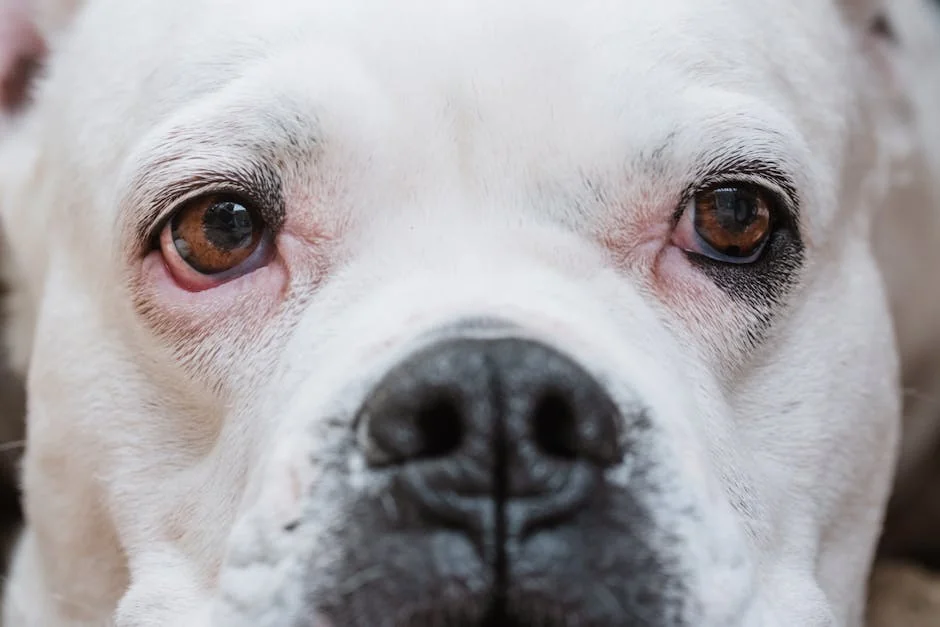
Eye issues can escalate from “irritated” to “blind” in less than 24 hours. If your dog is squinting, pawing frantically at an eye, or if the eye appears bulging or cloudy, treat it as urgent.
Glaucoma, for example, causes a buildup of pressure that is incredibly painful and can permanently destroy vision if not relieved immediately. Deep corneal ulcers can also lead to the loss of the eye if they become infected.
Trust Your Instincts
You know your dog better than anyone else. If something feels “off”—if their greeting is lackluster, their appetite vanishes suddenly, or their energy levels plummet without explanation—listen to that gut feeling.
When dealing with these red flag symptoms, it is always better to pay for an emergency exam and be told everything is fine than to wait too long and face a tragedy. Keep the number and address of your nearest 24-hour emergency vet saved in your phone for these exact moments.