
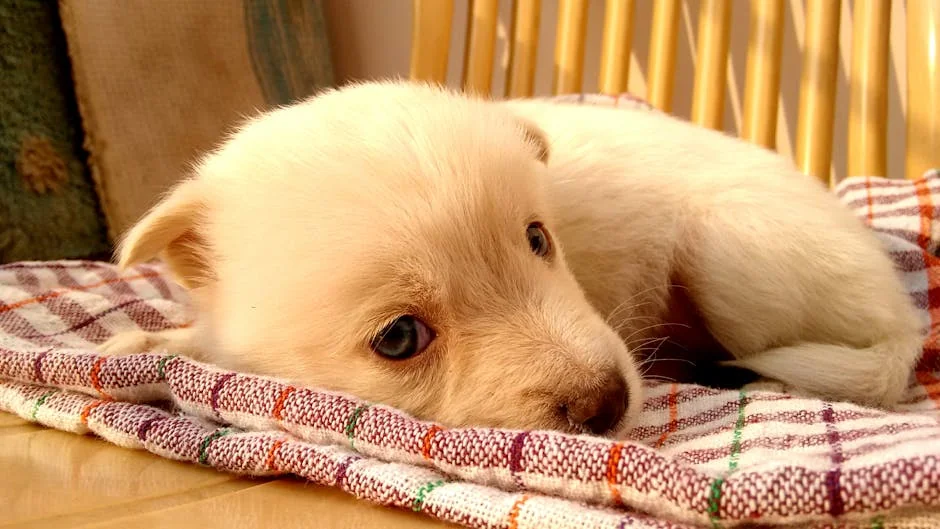
Bringing home a new puppy is an exhilarating mix of joy and sheer exhaustion. While the cute moments are plentiful, the sleepless nights, sharp teeth, and potty accidents can quickly become overwhelming. This guide cuts through the fluff to provide you with the essential strategies you need to survive the first few weeks and raise a well-adjusted dog.
Establish a Safe Confinement Zone Immediately
Before you worry about complex commands, you must establish a management system. You cannot supervise a puppy 24/7, and allowing them free roam of your house is a recipe for destroyed furniture and hidden accidents.
Crate Training is Essential
The crate is not a punishment tool; it is your puppy’s bedroom and safety zone. It aids significantly in potty training because dogs instinctively avoid soiling where they sleep. Introduce the crate positively by tossing high-value treats inside and feeding meals there. When the puppy is unsupervised, they should be in their crate or a secured playpen.
The Playpen Setup
Connect a playpen to the crate or set one up in your main living area. This gives the puppy room to stretch and play without having access to electrical cords or your favorite shoes. Line the floor with heavy-duty vinyl or easy-to-clean mats. If you cannot have your eyes on the puppy, they go in the pen.
The Potty Training Protocol
Potty training is likely your biggest source of stress. Success relies entirely on your ability to predict when the puppy needs to go and preventing accidents before they happen.
The Schedule Rule
Puppies have tiny bladders. You must take them outside:
- Immediately after they wake up.
- Immediately after they finish eating or drinking.
- Immediately after a play session.
- Every 30 to 60 minutes during their awake time.
The Reward System
When you take the puppy outside, go to the same spot every time. Stand still and be boring. The moment they finish their business, praise them enthusiastically and give them a treat within three seconds. Do not wait until you are back inside to give the treat, or you will be rewarding them for coming inside, not for peeing outside.
Cleaning Accidents Properly
If you catch the puppy in the act, make a sharp noise to interrupt them and immediately carry them outside. If you find an accident later, do not punish the dog; they will not understand the connection. Clean the area with an enzymatic cleaner. Standard household cleaners only mask odors to humans; enzymatic cleaners break down the proteins so the puppy doesn’t recognize the spot as a bathroom next time.
Mastering the “Land Shark” Phase
Puppies explore the world with their mouths, and their needle-sharp teeth can be painful. This is often called “bite inhibition” training.
When the puppy bites your skin:
- Stop moving. Jerking your hand away triggers their prey drive and makes them bite harder.
- Redirect. Immediately shove a chew toy into their mouth.
- Reverse Time-Out. If they persist, leave the room or step over a baby gate for 30 seconds. This teaches the puppy that biting causes their favorite thing (you) to disappear.
Never hold the puppy’s mouth shut or yell aggressively. This creates fear and can lead to hand-shyness or aggression later.
Sleep Survival and the Enforced Nap
New owners often mistake a frantic, biting, zooming puppy for a dog that needs more exercise. In reality, your puppy is likely overtired. Like toddlers, puppies become bratty when exhausted.
The 1-Up, 2-Down Rule
Puppies need 18 to 20 hours of sleep per day. Implement a strict schedule: for every one hour the puppy is awake and playing, they should spend two hours sleeping in their crate. If the puppy has been awake for an hour and starts acting out, put them in the crate for a nap. They may protest for a few minutes, but they will usually fall asleep quickly.
Surviving the Night
To get better sleep yourself:
- Cut off food and water two hours before bedtime.
- Make the last potty trip strictly business—no playing.
- Place the crate near your bed or use a “Snuggle Puppy” (a toy with a heartbeat) to reduce isolation distress.
- When they whine in the middle of the night, take them out on a leash, keep the lights low, and put them back in the crate immediately after they eliminate.
Socialization: The Clock is Ticking
The critical socialization window closes around 12 to 16 weeks of age. This involves more than just meeting other dogs; it is about exposure to the world.
You need to expose your puppy to different surfaces (tile, grass, gravel), different noises (vacuums, traffic, thunder), and different types of people (hats, beards, uniforms).
Safety First
Until your puppy is fully vaccinated, they are susceptible to diseases like Parvovirus. You can still socialize them safely by carrying them in a sling or backpack, or by sitting in the trunk of your car watching the world go by. Avoid high-traffic dog areas like dog parks or pet stores until your vet gives the all-clear.
Essential “Must-Haves” List
To survive these first weeks, ensure you have these specific items:
- Enzymatic Cleaner: For accidents.
- Bitter Apple Spray: To deter chewing on furniture.
- Kong or Puzzle Toys: To keep their brain busy and tire them out mentally.
- High-Value Treats: Boiled chicken or freeze-dried liver for training (kibble often isn’t enough for high-distraction environments).
- House Line: A light leash the puppy wears inside the house (supervised), allowing you to grab them gently to stop unwanted behaviors without chasing them.
Surviving the new puppy phase requires patience, consistency, and a strict schedule. If you stick to the routine and manage the environment, the chaotic weeks will pass, leaving you with a loyal, well-trained companion.