
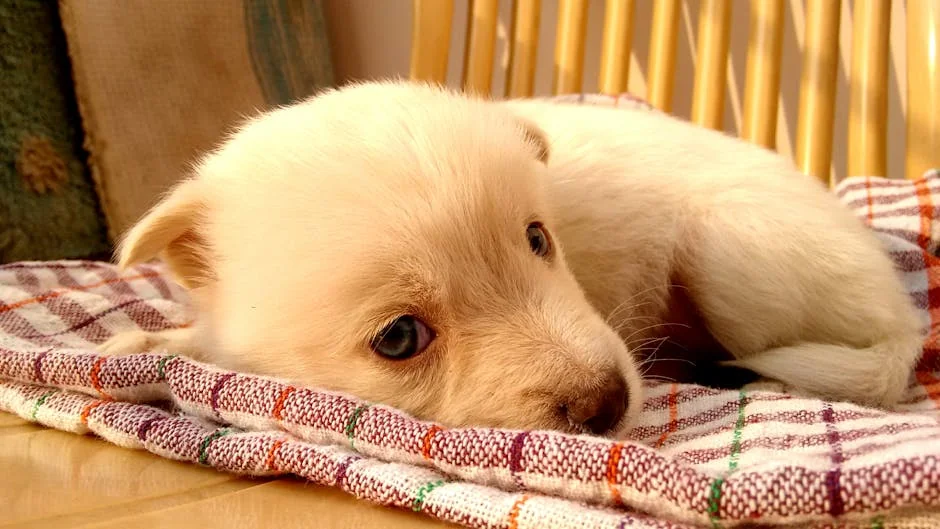
Potty training is often the most stressful part of bringing a new puppy home, but it doesn’t have to drag on for months. By implementing a strict management system and understanding your dog’s biological rhythms, you can minimize accidents and accelerate the learning process. This guide provides the tactical steps you need to teach your puppy where to go quickly and effectively.
Establish a Non-Negotiable Routine
The secret to potty training a puppy faster is predicting when they need to go before they even realize it themselves. Puppies thrive on routine. If you leave their bathroom breaks to chance, you guarantee accidents.
You must create a schedule that aligns with your puppy’s natural digestive timeline. As a general rule, a puppy can hold their bladder for one hour for every month of age, plus one. However, this rule only applies when they are resting. When they are active, their need to eliminate increases drastically.
The Critical Trigger Points
To speed up the process, take your puppy outside immediately during these transition moments:
- Immediately after waking up: Whether it’s first thing in the morning or after a twenty-minute nap.
- Immediately after eating or drinking: Puppies have a high gastrocolic reflex; food going in stimulates waste going out.
- Immediately after a play session: High activity stimulates the bladder.
- Every 30 to 60 minutes: During periods where they are awake and hanging out with you.
Control the Environment
If you give a localized puppy full freedom of your house, you are setting them up for failure. Speed comes from errorless learning. Every time your puppy has an accident inside, the behavior is reinforced, and your training timeline resets. You must manage their environment to prevent mistakes.
Utilize Crate Training
A crate is not a cage; it is a management tool that taps into a dog’s natural den instinct. Dogs generally do not like to soil where they sleep. When you cannot supervise your puppy with 100% focus, place them in their crate. This helps them learn to hold their bladder and builds bladder muscle control.
Ensure the crate is the right size. If it is too large, the puppy will sleep on one side and relieve themselves on the other. It should be just big enough for them to stand up, turn around, and lie down.
The Tether Method
When the puppy is out of the crate, use the tether (or umbilical cord) method. Attach the puppy’s leash to your belt loop or wrist. This keeps them physically close to you at all times.
Because they are right next to you, you will notice the subtle signs that they need to go, such as sniffing the ground, circling, or whining. Being tethered prevents them from sneaking off to a quiet corner or a spare bedroom to have an accident.
Master the Reward System
Many owners fail to train quickly because their feedback is vague or ill-timed. To communicate clearly, you must reward the desired behavior instantly.
Timing is Everything
Go outside with your puppy every single time. Do not just open the back door and wait in the kitchen. If you are not there to witness the act, you cannot reward it.
When your puppy squats and finishes eliminating, praise them immediately—within two seconds. If you wait until they walk back inside the house to give them a treat, you are rewarding them for coming inside, not for peeing outside.
High-Value Treats
Use “high-value” treats that are different from their regular kibble. Small pieces of boiled chicken, cheese, or freeze-dried liver work best. The reward must be significant enough that the puppy essentially thinks, “Wow, going to the bathroom on the grass is the best thing that ever happened to me.” This strong positive association creates a motivation to repeat the behavior.
Select a Designated Spot
Consistency speeds up learning. In the beginning, take your puppy to the exact same spot in the yard every time. The scent of their previous elimination acts as a biological prompt that triggers them to go again.
Once you arrive at the spot, stand still. If you walk around, the puppy will interpret this as playtime and get distracted. Be boring. Stand still and wait. Once they finish, you can engage in play or a walk as an additional reward (“life reward”).
Handle Accidents Correctly
despite your best efforts, accidents will happen. How you react to them dictates how fast you recover.
Interrupt, Don’t Punish
If you catch your puppy in the act, make a sharp noise (like a clap or a firm “Ah-ah!”) to interrupt them. Pick them up immediately—this often stops the flow of urine—and rush them outside to their spot. If they finish outside, praise and reward them.
Never punish a puppy for an accident. Rubbing their nose in it or yelling only teaches them to be afraid of you. It teaches them that eliminating in front of you is dangerous, which leads to them hiding behind sofas to pee in secret.
Use Enzymatic Cleaners
Standard household cleaners often contain ammonia, which smells like urine to a dog. This actually encourages them to mark the same spot again.
You must use an enzymatic cleaner specifically designed for pet urine. These cleaners break down the uric acid crystals and bacteria that cause the odor. If the scent remains—even if you can’t smell it—the puppy can, and they will return to the scene of the crime.
Monitor Water Intake
To predictable potty habits, you need predictable inputs. Free-feeding and leaving water out 24/7 makes it difficult to gauge when the puppy needs to go out.
Offer water at scheduled intervals. About two to three hours before bedtime, remove the water bowl. This allows the puppy to empty their bladder before sleep and increases the likelihood that you both get a reasonable amount of sleep. As the puppy gets older and gains bladder control, you can leave water out, but restriction is a helpful tool during the initial intense training phase.