
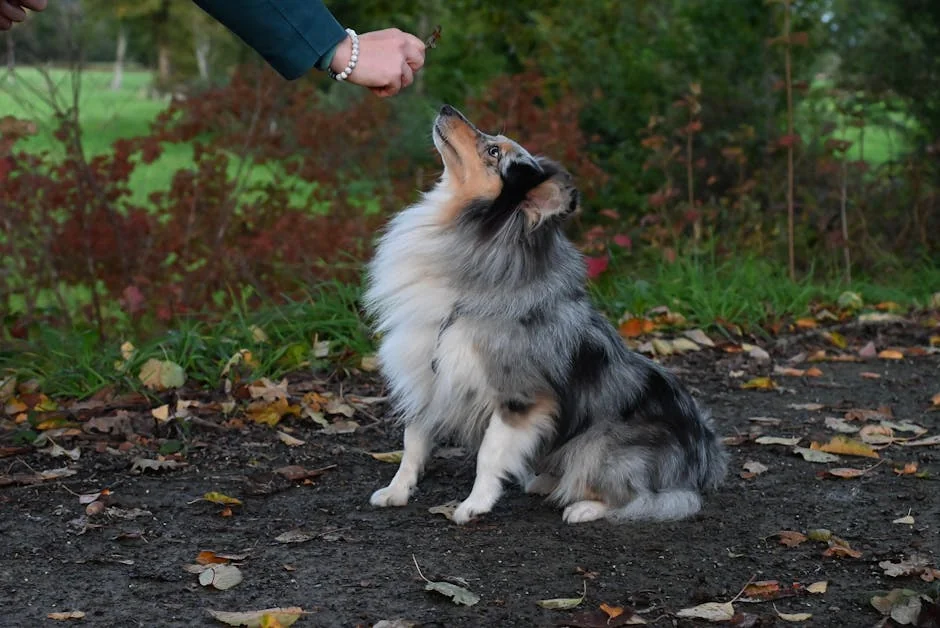
Building a well-behaved dog doesn’t happen through monthly training sessions; it happens in the small, consistent moments you share every single day. By integrating specific daily habits that make dogs more obedient into your routine, you transform training from a chore into a lifestyle, creating a calmer, more attentive companion.
Master the “Nothing in Life is Free” Philosophy
The fastest way to improve obedience is to change how your dog views resources. Many owners give affection, food, and freedom freely, which lowers the value of those rewards. To increase focus and respect, make your dog earn access to the things they want.
Before you open the back door, put down the food bowl, or toss a tennis ball, ask for a simple command. It can be a “sit,” “down,” or simple eye contact. This habit teaches your dog that looking to you for guidance is the key to unlocking their desires. It reinforces your position as the leader without requiring harsh discipline.
How to Implement This
- Doorways: Ask your dog to “wait” before going outside.
- Affection: Ask for a “sit” before you pet them when you come home.
- Playtime: Require a “down” before you throw a toy.
Turn Mealtime into Training Time
Feeding your dog out of a bowl twice a day is a missed opportunity. Food is one of the highest-value currencies you have. By utilizing mealtime for training, you get focused practice sessions every day without taking extra time out of your schedule.
Hand Feeding
Consider hand-feeding all or part of your dog’s meal. This builds a strong bond and teaches your dog that good things come directly from you. It also prevents resource guarding, as your hands are associated with giving food, not taking it away. While hand-feeding, practice basic commands or tricks.
Impulse Control with the Bowl
If you do use a bowl, do not allow your dog to rush it. Hold the bowl while standing. Ask your dog to sit and wait. Lower the bowl slowly. If their bottom leaves the floor, lift the bowl back up. Repeat this until you can place the bowl on the floor and your dog remains seated, waiting for your release command (like “Okay” or “Break”). This daily habit drastically improves impulse control.
Practice Threshold Training
A dog that bolts through open doors is not only disobedient but also at risk. Threshold training is a daily habit that establishes boundaries. Whether it is the front door, the car crate, or the gate at the dog park, the rule remains the same: you go first, or you give permission first.
Every time you approach a threshold, stop. If your dog pushes past, bring them back and try again. They must wait for eye contact and a verbal cue before crossing the line. This simple pause forces the dog to check in with you rather than reacting instinctually to the environment.
Capture Calmness
Most owners pay attention to their dogs when they are misbehaving (barking, jumping, chewing) and ignore them when they are being good. This inadvertently reinforces the bad behavior because the dog learns that acting out gets your attention.
Flip the script by “capturing calmness.” When you are watching TV or working and your dog is lying quietly on their bed or chewing a toy appropriately, calmly praise them or drop a treat between their paws. Do not make a big fuss that excites them; simply reinforce the state of relaxation. This teaches your dog that doing “nothing” is a behavior that pays off.
Prioritize Mental Stimulation Over Physical Exhaustion
A common misconception is that a tired dog is a good dog. While physical exercise is essential, physical stamina builds quickly. If you only run your dog, you will eventually have a super-athlete who still doesn’t listen. Mental stimulation tires a dog out faster and encourages them to solve problems rather than react to them.
Scent Work and Puzzles
Incorporate 10 to 15 minutes of mental work into your day. This could involve:
- Snuffle mats: Hide dry food in a fabric mat for them to sniff out.
- Puzzle toys: Toys that require manipulation to release treats.
- Hide and Seek: Hiding toys or yourself around the house for the dog to find.
These activities lower arousal levels and satisfy the dog’s natural seeking drive, resulting in a more obedient dog during the rest of the day.
Structure Your Walks
The daily walk is a training ground, not just a potty break. If your dog pulls you down the street, they are practicing disobedience with every step. Divide your walk into two distinct modes: “structured walking” and “decompression.”
The 80/20 Rule
Spend part of the walk (e.g., the way to the park) requiring a loose leash or a heel. This demands focus and obedience. Once you reach a designated area, give a release command like “Go sniff.” Allow the dog to use their nose and explore.
This balance teaches the dog that obedience leads to freedom. It also ensures they get the mental decompression of sniffing, which lowers heart rate and anxiety, while still maintaining your rules during the transit portions of the walk.
Maintain Consistency with Rules
One of the biggest barriers to obedience is inconsistency. If your dog is not allowed on the couch, they must never be allowed on the couch—not even when you are sick or when they look cute. If “down” means lie down until released, you cannot let them get up whenever they choose.
Dogs thrive on black-and-white rules. Gray areas cause confusion and verify test boundaries. Ensure everyone in your household is enforcing the same rules. When the rules are clear and the daily habits are consistent, your dog will relax into a pattern of obedience because they understand exactly what is expected of them.