
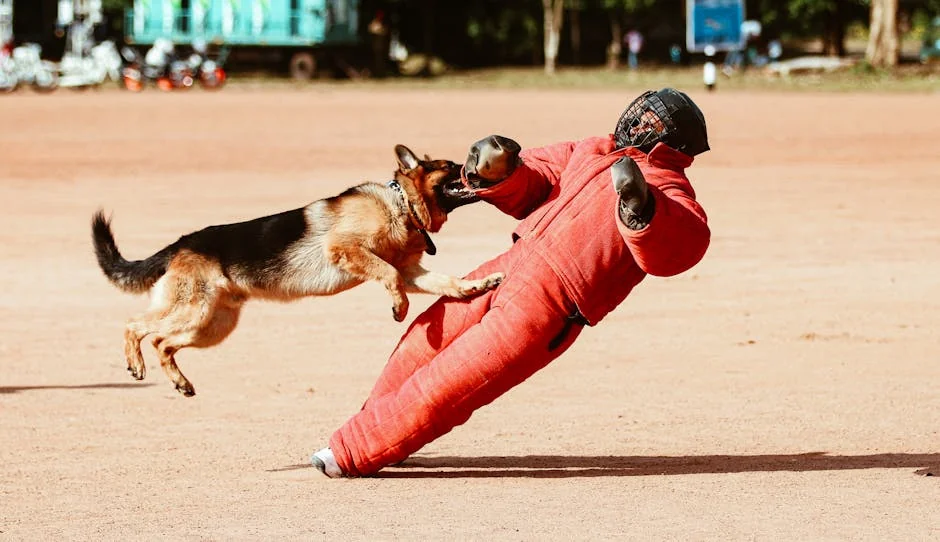
Training a dog that seems deaf to your commands is one of the most frustrating challenges a pet owner faces. However, what you perceive as stubbornness is often a simple disconnect in motivation or communication. By adjusting your approach and controlling the environment, you can turn a disengaged dog into an eager learner who actually wants to listen to you.
Rule Out Medical Issues First
Before you overhaul your training regimen, you must ensure your dog is physically capable of complying. Many dogs labeled as “stubborn” or “ignoring” actually have underlying health issues.
- Hearing Loss: Partial hearing loss can make a dog seem attentive one moment and aloof the next. Clapping or whistling behind the dog (without them seeing you) can test this.
- Physical Pain: A dog with hip dysplasia or arthritis may refuse to sit or lie down simply because it hurts.
If your dog suddenly stops listening to commands they previously knew, schedule a vet visit immediately to rule out pain or illness.
Find the “High-Value” Motivation
Dogs are distinct opportunists. They do what pays off. If your dog ignores you, it usually means theenvironment is more rewarding than what you are offering. Dry kibble or generic biscuits rarely compete with the scents of a park or the sight of a squirrel.
Upgrade Your Currency
To get the attention of a stubborn dog, you need to bring out the heavy artillery. You must find what professional trainers call “high-value rewards.” These are items your dog does not get at any other time.
Experiment with:
- Real meat (boiled chicken, hot dogs, or freeze-dried liver).
- String cheese.
- A specific toy that is only used during training.
If your dog looks away when you speak, your reward isn’t good enough. You are in a negotiation; make your offer impossible to refuse.
Stop Poisoning Your Cues
A common mistake with stubborn dogs is repeating a command over and over. When you say “Sit… Sit… Sit, Fido, Sit,” you are teaching your dog that the word “Sit” is just background noise. You are also teaching them that they don’t have to comply until the fifth or sixth time you ask.
The One Command Rule
Say the command once, clearly and firmly. If the dog does not comply:
- Wait three to five seconds.
- Do not repeat the word.
- If they still do not comply, reset the dog by moving them to a different spot or asking for a simpler behavior they know well (like “touch” or “look”).
If you have already “poisoned” a word like “Come” by overusing it without results, you may need to switch to a new word entirely, such as “Here” or “Recall,” and start training that word from scratch.
Control the Environment (Manage Distractions)
You cannot teach calculus at a rock concert. Similarly, you cannot teach a stubborn dog to focus in a busy dog park. If your dog ignores you, the distractions in the environment are currently stronger than your relationship.
Start Boring
Begin your training sessions in the most boring room of your house, such as a bathroom or a hallway with no toys on the floor. Without distractions, your dog naturally looks to you for entertainment and direction.
Once your dog listens perfectly in the hallway, move to the living room. Then the backyard. Finally, the front yard. If the dog starts ignoring you again, you have moved too fast. Go back to the previous environment where you had success.
Implement the “Nothing in Life is Free” Protocol
Stubborn dogs often believe they are in charge of resources. To change this dynamic without using force or intimidation, implement a structure where the dog must earn everything.
This technique builds value in you as the handler.
- Mealtime: Do not just put the bowl down. Ask for a “sit” or “down” first.
- Going Outside: The dog must sit and make eye contact before you open the door.
- Affection: If the dog nudges you for pets, ignore them. Wait until they are calm or ask for a simple command, then reward them with affection.
This teaches the dog that paying attention to you is the key that unlocks everything they want in life.
Use a Long Line for Accountability
If your dog ignores you because they know they can run away, you lose your leverage. When training outside, always use a long line (a 15 to 30-foot leash).
The long line allows the dog to feel free, but it gives you the ability to enforce commands. If you call your dog and they ignore you to sniff a bush, you can gently reel them in or prevent them from self-rewarding with the distraction. This prevents the dog from practicing the behavior of ignoring you.
Keep Training Sessions Micro-Sized
Stubborn dogs bore easily. Long, repetitive drilling sessions will cause them to check out mentally.
Aim for three to five sessions per day, but keep each session under three minutes. This keeps the dog wanting more. Always end the session on a high note—after a successful repetition and a “jackpot” reward—rather than waiting for the dog to lose interest.
Master the “Name Game”
Before you can give a command, you need eye contact. If your dog isn’t looking at you, they aren’t listening to you. Use the “Name Game” to condition an automatic response.
- Say your dog’s name in a happy tone.
- As soon as they turn their head toward you, mark the moment with a word like “Yes!” or a clicker.
- Immediately give a high-value treat.
Repeat this constantly throughout the day when the dog is not expecting it. This conditions the dog to snap their head toward you whenever they hear their voice, breaking their focus on the environment and placing it squarely on you.