
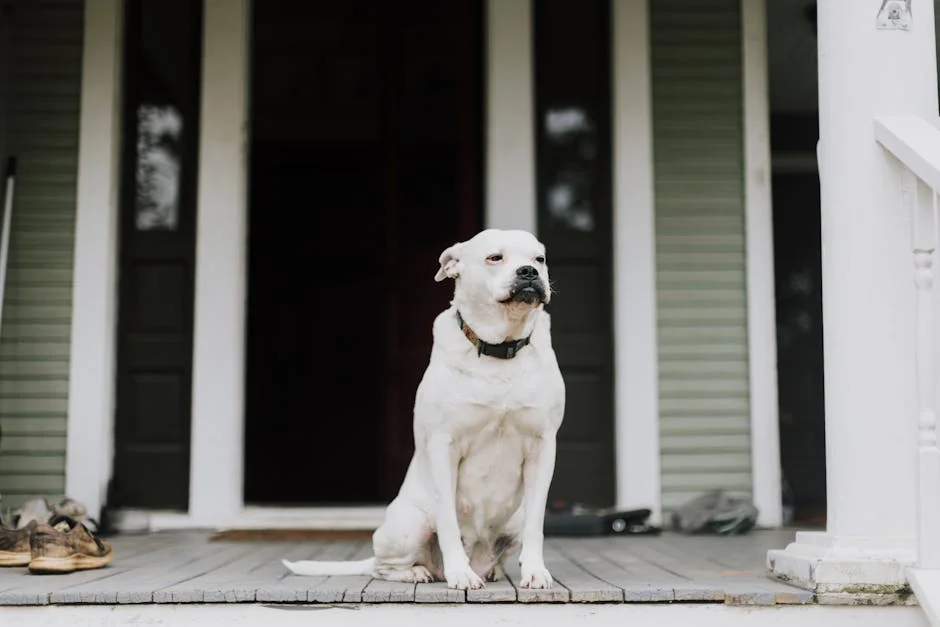
Dealing with separation anxiety can feel like being held hostage in your own home. Whether you are coming home to destroyed furniture, complaints from neighbors about barking, or simply the heartbreak of seeing your dog panic, you want a solution that addresses the root cause without immediately resorting to heavy sedatives.
Fixing separation anxiety naturally requires patience, consistency, and a multi-pronged approach that changes how your dog perceives your absence. By combining behavioral modification with environmental changes and natural support, you can help your dog feel safe when they are alone.
Desensitize Your Dog to Departure Cues
Separation anxiety often starts long before you walk out the door. Your dog likely reacts to specific “pre-departure cues”—the routine actions that signal you are about to leave. These might include putting on shoes, picking up keys, or grabbing your coat. The anxiety builds with every step of this ritual.
To fix this, you must break the association between these actions and your departure.
Identify and Scramble the Cues
Make a list of the things you do before leaving. Throughout the day, perform these actions without actually going anywhere.
- Pick up your keys, carry them to the couch, and watch TV.
- Put on your shoes, walk around the kitchen, and then take them off.
- Put on your coat, then sit down and read a book.
Repeat these actions randomly until your dog no longer reacts to them. Your goal is to make the sound of jingling keys as boring and meaningless as the sound of the refrigerator humming.
Counter-Conditioning with High-Value Rewards
While desensitization removes the dread of departure, counter-conditioning teaches your dog that your absence predicts something good. You want to shift their emotional state from fear to anticipation of a treat.
The “Departure Only” Treat
Introduce a specific, high-value item that your dog only gets when you leave. A frozen KONG stuffed with peanut butter, yogurt, or wet food is ideal because it requires licking, a behavior that naturally self-soothes and releases endorphins in dogs.
Give the treat to your dog right before you walk out the door. Ideally, they should be so focused on the treat that they barely notice you leaving. When you return, take the toy away immediately. This teaches the dog that being alone equals “tasty treat time,” and your return means the party is over.
Practice Graduated Absences
Once your dog is less reactive to your keys and shoes, you must teach them that you always come back. You cannot jump from zero to four hours of separation; you must build tolerance in seconds.
The Threshold Method
Start by stepping out the door and immediately stepping back in. Do not make a big deal out of it. If your dog stays calm, repeat the process.
Gradually increase the time you are outside:
- Step out, close the door, wait 2 seconds, return.
- Step out, wait 5 seconds, return.
- Step out, wait 10 seconds, return.
If your dog begins to whine, pace, or bark, you have pushed too far, too fast. Regression is part of the process. Go back to a shorter duration that they can handle and work your way up again slowly. This builds their confidence that separation is temporary and survivable.
Exercise and Mental Stimulation
A tired dog is generally a less anxious dog. If your dog is brimming with excess energy, their anxiety response will be much more intense. However, a quick walk around the block is rarely enough for a dog with severe separation issues.
Decompression Walks
Engage your dog’s nose, not just their legs. A “decompression walk” involves letting the dog sniff freely on a long lead. Sniffing lowers a dog’s pulse rate and provides intense mental stimulation. Twenty minutes of intense sniffing can be as tiring as an hour of running.
Ensure your dog has had significant physical and mental activity 30 minutes before you plan to leave. If they are physically exhausted, their body will naturally want to rest while you are gone.
Natural Calming Aids
There are several non-pharmaceutical tools that can lower your dog’s baseline anxiety levels, making training easier.
Calming Supplements
Natural supplements can take the edge off a dog’s panic. Look for ingredients that have proven relaxation properties:
- L-Theanine: An amino acid found in green tea that promotes relaxation without drowsiness.
- Valerian Root and Chamomile: Herbs used traditionally to soothe nervous tension.
- CBD Oil: High-quality, pet-specific CBD oil can help regulate the endocannabinoid system and reduce anxiety. Always consult your vet for the correct dosage.
Pheromones and Compression
Consider using a plug-in diffuser that mimics the “dog appeasing pheromone” (DAP) that mother dogs emit to calm their puppies. This signals safety on a biological level. Additionally, anxiety wraps or “thundershirts” apply gentle, constant pressure to the dog’s torso, which can have a calming effect similar to swaddling an infant.
Adjust Your Entry and Exit Protocol
How you leave and how you return significantly impacts your dog’s anxiety.
The “No-Drama” Rule
Stop making emotional goodbyes. Telling your dog, “It’s okay, be a good boy, I’ll be back soon,” in a high-pitched, sympathetic voice validates their worry. Instead, ignore your dog for 5 to 10 minutes before you leave. Simply walk out the door.
Ignore Upon Return
This is the hardest part for most owners, but it is crucial. When you come home, your dog will likely be over-aroused and frantic. Do not greet them, touch them, or look at them until they are calm.
If you lavish affectionately on a frantic dog, you are rewarding the anxiety. By waiting until they have all four paws on the floor and are quiet, you teach them that calmness gets your attention, not panic.
Create a Soothing Environment
Leave your dog in a safe, comfortable zone. Avoid giving them free roam of the entire house, which can create a feeling of needing to “patrol” and protect the territory.
Auditory Masking
Silence can be deafening to an anxious dog, as it amplifies every outside noise—a car door slamming, footsteps, or sirens. Play calming music to mask these triggers.
Studies have shown that classical music, specifically simple arrangements, helps calm dogs. Alternatively, reggae and soft rock have been shown to lower heart rates. Audiobooks or white noise machines are also effective at creating a consistent soundscape that implies “everything is normal.”
Fixing separation anxiety naturally is not an overnight cure. It is a process of changing your dog’s brain chemistry and associations through training and environment. Stick to the routine, keep your own emotions in check, and celebrate the small victories of silence and calm behavior.