
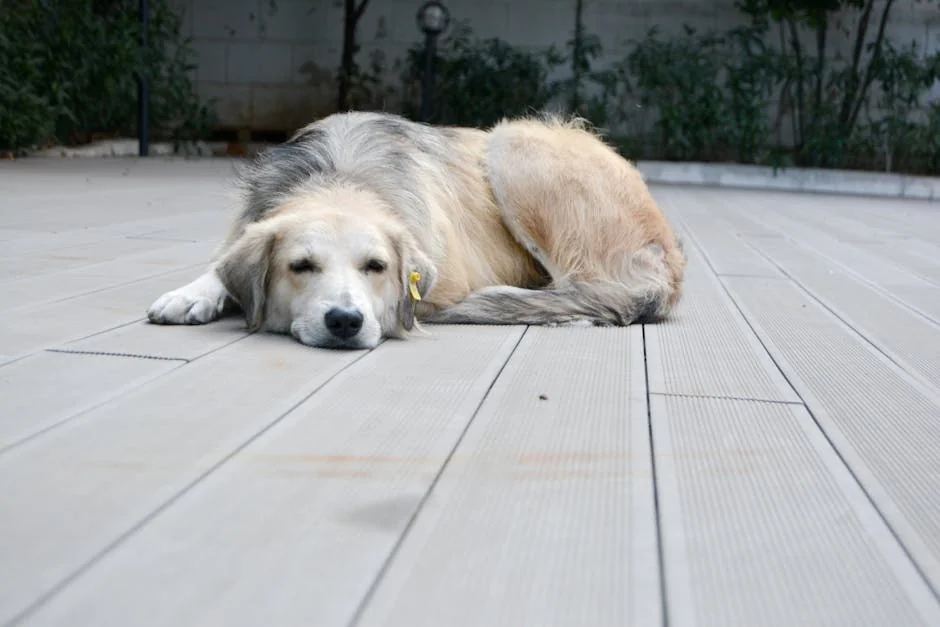
When you observe your dog sleeping, you are witnessing more than just a rest cycle; you are seeing a direct reflection of their physical comfort, temperature regulation, and sense of safety. Understanding these positions allows you to better gauge your dog’s mood and health, strengthening the bond you share.
Here is a breakdown of common canine sleeping positions and what they indicate about your dog’s state of mind.
The Side Sleeper
This is one of the most common positions for dogs, particularly once they have settled into a home. Your dog lies on their side with their legs extended, leaving their vulnerable belly exposed.
What It Reveals
If your dog sleeps on their side, they feel completely safe and secure in their environment. This position exposes vital organs, meaning your dog does not perceive any threats. It indicates a high level of trust in you and the surrounding area.
Sleep Depth
Side sleeping is typically associated with deep sleep cycles. You will often see “running” motions in the legs or hear soft barks and whimpers during this phase. This is when your dog is likely experiencing REM (Rapid Eye Movement) sleep. If you see this, it is best to let them rest undisturbed so they can get the restorative sleep they need.
The Curled-Up “Donut” or Fox
In this position, your dog tucks their paws beneath their body and wraps their tail around their face, creating a tight ball. This is highly common in wild dogs and wolves, as well as domesticated pets.
Instinct and Protection
This position serves two primary biological functions:
- Temperature Regulation: By curling up tight, your dog conserves body heat. You will see this often during winter months or in drafty rooms.
- Safety: It protects vital organs from potential predators. It allows the dog to wake up quickly and defend themselves if necessary.
While this can be a sign of a chilly dog, it is also a preferred position for dogs with a nervous temperament or those adjusting to a new environment. If your dog always sleeps this way, they may simply prefer the feeling of security it provides, but pay attention to the room temperature.
The Superman (The Splat)
This position involves your dog lying on their stomach with their front legs stretched forward and their back legs kicked out behind them. It looks remarkably like Superman in flight.
Who Does It?
You will most frequently see this in puppies and high-energy breeds like Terriers or Spaniels.
What It Means
The “Superman” is a position of readiness. Because the dog is already on their belly with limbs extended, they can pop up and start moving instantly. It usually indicates that your dog is tired but wants to remain ready to play the moment you offer a toy or a treat.
It is also effective for cooling down. If your dog does this on a tile or hardwood floor, they are likely pressing their belly against the cold surface to lower their body temperature after vigorous exercise.
The Lion’s Pose (The Sphinx)
Similar to the Superman, the dog lies on their stomach. However, instead of splatting, they rest their head on their front paws. Their back legs may be tucked to the side.
Resting vs. Sleeping
If your dog assumes this position, they are usually in a light rest rather than a deep sleep. They are dozing, but their muscles remain tense enough to spring into action. This is common when a dog is guarding the house or waiting for you to finish a task so they can interact with you. It signals that they are relaxing but alert.
The Belly Up (Dead Bug)
Perhaps the most amusing position, this features your dog lying flat on their back with their legs sticking up in the air.
The Ultimate Sign of Trust
Similar to side sleeping, exposing the throat and belly is an act of vulnerability. In the wild, a wolf would never sleep this way as it makes them an easy target. If your dog sleeps belly up, they have zero anxiety and total confidence in their family pack.
Heat Dissipation
Dogs sweat through their paw pads, and their bellies have the least amount of fur. Sleeping with the belly exposed to the air allows for rapid cooling. You will see this often in summer or after a long hike.
Back-to-Back or Cuddling
If you have multiple pets, or if your dog insists on sleeping pressed against your leg or back, they are exhibiting pack behavior.
Bonding and Loyalty
Dogs are pack animals, and in the wild, sleeping together provides warmth and protection. When your dog presses their back against you, they are marking you as a member of their pack. It is a sign of affection and loyalty.
If your dog is a “Cuddler,” they likely have a high need for social bonding and may suffer from separation anxiety if left alone for too long.
Changes in Sleeping Habits: When to Worry
While positions vary based on temperature and mood, sudden changes in how your dog sleeps can indicate medical issues.
Signs of Pain
If an older dog who usually curls in a ball suddenly starts sleeping with their legs extended, they may be suffering from arthritis or joint pain that makes curling up uncomfortable. Conversely, if a dog is restless and cannot find a comfortable position, they may be experiencing internal discomfort.
Head Pressing
If you notice your dog sleeping or resting with their head firmly pressed against a wall or furniture (not just resting on a pillow), this is a serious warning sign. This behavior, known as “head pressing,” can indicate neurological issues, liver disease, or toxicity. You should consult a veterinarian immediately.
Narcolepsy and Sleep Apnea
Pay attention to the quality of sleep. If your dog collapses into sleep suddenly during activity, or if their snoring is accompanied by long pauses in breathing, they may require medical attention for sleep disorders.
By monitoring these positions, you gain a clearer picture of your dog’s physical and emotional world, allowing you to provide the comfort and care they need.