
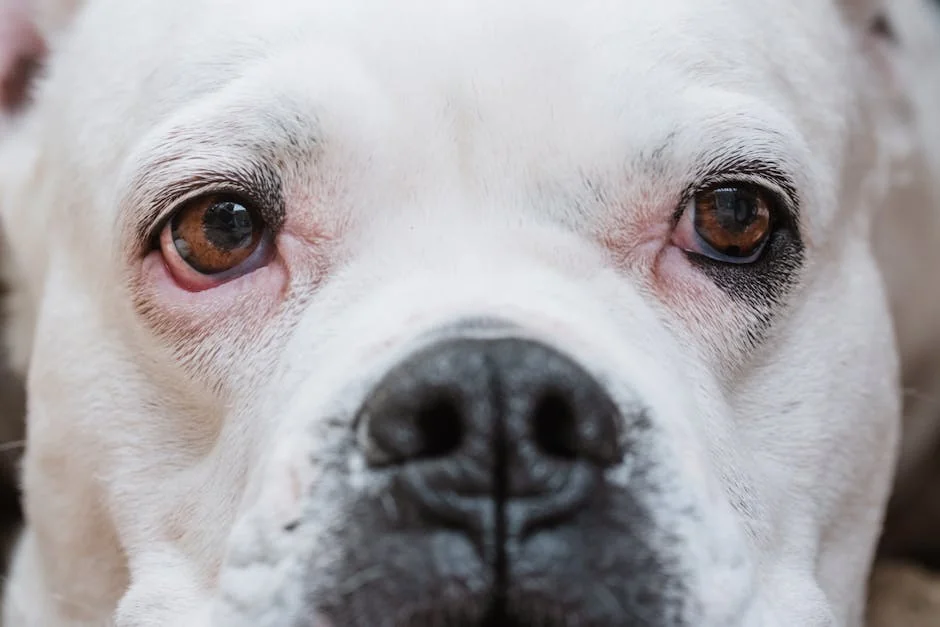
Whether you are heading to the kitchen for a glass of water or simply moving from the couch to the desk, your dog is likely right on your heels. Understanding why your dog follows you everywhere is the key to distinguishing between a healthy, loving bond and behavior that signals insecurity or anxiety.
The Evolutionary Pack Mentality
The primary reason your dog shadows your every move lies in their ancestry. Dogs are pack animals by nature, and in the wild, survival depends on the cohesion of the group. Domesticated dogs have transferred this instinct to their human families.
When your dog follows you, they are fulfilling a biological drive to maintain contact with their pack leader or family unit. You provide food, shelter, and security. By staying close to you, your dog feels safe and assures themselves that they are not being left behind or abandoned. This behavior is often observed in puppies who imprint on their caregivers, but it frequently persists well into adulthood.
Positive Reinforcement and Learned Behavior
Beyond instinct, your dog follows you because they have learned that being near you results in good things. This is classic operant conditioning. Think about what happens when your dog is nearby:
- You might absentmindedly scratch their head.
- You might drop a piece of cheese while cooking in the kitchen.
- You might talk to them in a soothing voice.
Over time, your dog realizes that proximity equals rewards. If every time you walk to the kitchen, they receive a treat or a pat, they will continue to escort you there in anticipation of a similar outcome. They are observing you closely, waiting for cues that signal a walk, a meal, or a play session.
The Role of Oxytocin
There is also a chemical component to this attachment. When you interact with your dog, both of your brains release oxytocin, often called the “love hormone.” This creates a feeling of calm and contentment. Your dog may follow you simply because being in your presence physically makes them feel good.
Breed-Specific Traits
Your dog’s genetics play a significant role in how clingy they are. Humans have selectively bred dogs for thousands of years to perform specific tasks, many of which require close cooperation with people.
Herding and Working Groups
Breeds like Border Collies, Australian Shepherds, and German Shepherds are designed to work side-by-side with humans. Their “job” involves taking direction from a handler and keeping a flock together. In a domestic setting, you are the job. These dogs often shadow their owners because they are waiting for a command or trying to “herd” the family into one room.
Companion Breeds
Toy breeds, such as Chihuahuas, Pugs, or Cavalier King Charles Spaniels, were bred for a singular purpose: companionship. These are often referred to as “lap dogs.” Their genetic history dictates that they should be touching or near their human at all times. For these dogs, following you isn’t a job; it is their entire existence.
Distinguishing “Velcro Dogs” from Separation Anxiety
It is vital to recognize the difference between a dog that wants to be near you and a dog that is terrified of being apart from you. A “Velcro dog” prefers your company but generally remains calm. They might follow you to the bathroom but will lay on the bathmat and wait patiently.
Separation anxiety, however, is a panic disorder. You should be concerned if the shadowing behavior is accompanied by signs of distress when you close a door or leave the house, such as:
- Excessive barking, whining, or howling.
- Destructive behavior (chewing door frames or scratching floors).
- Pacing, panting, or drooling.
- Urinating or defecating indoors despite being house-trained.
If your dog cannot settle down when you are out of sight, this is not just affection; it is a behavioral health issue that requires desensitization training or professional intervention.
Curiosity and FOMO
Sometimes, the explanation is simple: dogs are naturally curious creatures. They know your routine intimately. If you get up abruptly, they want to know what is happening. Are you getting a toy? Is there a squirrel in the yard? Are you eating something delicious?
Dogs experience a version of “Fear Of Missing Out” (FOMO). Their world is relatively small compared to yours, largely confined to your home and yard. You are their main source of entertainment and information. Following you is their way of investigating their environment and ensuring they don’t miss out on any excitement.
How to Manage Excessive Clinginess
While having a loyal shadow is endearing, it can become dangerous if you are constantly tripping over your pet, or annoying if you physically cannot have a moment of privacy. If you want to establish boundaries, you can gently discourage the behavior without damaging your bond.
Teach the “Place” Command
Train your dog to go to a specific spot, such as a dog bed or a mat, and stay there until released. This is incredibly useful when you are cooking in the kitchen or carrying heavy items. Reward them heavily for staying on their “place” while you move around the room.
Increase Mental Stimulation
A bored dog is a clingy dog. If your dog has pent-up energy, they will focus it on you. Ensure they are getting enough physical exercise and mental enrichment. Puzzle toys, scent work, and training sessions can tire their brains, making them more likely to nap than to follow you to the laundry room.
Set Boundaries Barriers
Practice leaving your dog in a room with a baby gate or a closed door for short periods while you are still in the house. Start with just a few seconds and gradually build up the time. This teaches your dog that separation is temporary and safe, fostering independence.
Stop Reward-Seeking Behavior
If your dog follows you to the kitchen and you immediately give them a treat, you are reinforcing the shadowing. Ignore the attention-seeking behavior. Only reward your dog when they are calm and doing something you approve of, such as lying quietly on their bed nearby, rather than under your feet.